
Our Short List of 3

- Best for: Travellers who want twice the shots from every roll of film.
- 35mm half-frame format, reusable camera
- Focus-free fixed lens
- 22mm f/9.5 lens
- Shutter speed of 1/100 second

- Best for: Everyday snapshots when you want the simplest possible film camera.
- 35mm film format, reusable camera
- 31mm f/9 fixed-focus lens
- Shutter speed of 1/120 second
- Built-in flash
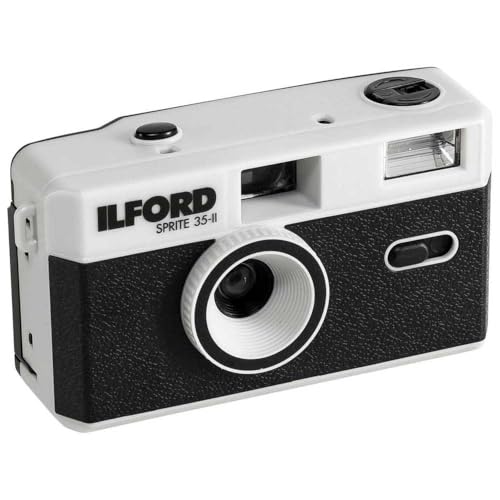
- Best for: Beginners who want automatic flash in dim light without touching a switch.
- 35mm film format, reusable camera
- 31mm f/9 fixed-focus lens
- Built-in automatic flash
- Weight of 154 grams
All 4 Picks at a Glance
| Product | Specs | Action |
|---|---|---|
| Kodak Ektar H35 |
| Check price on Amazon |
| Kodak Ultra F9 |
| Check price on Amazon |
| Ilford Sprite 35-II |
| Check price on Amazon |
 AgfaPhoto Analog 35mm |
| Check price on Amazon |
Key takeaways
- Compare the best point and shoot film cameras for travel, street photography and everyday moments, with film format, lens and flash explained for beginners.
A point and shoot film camera turns photography back into a slow, deliberate act: you load a roll, frame the shot, and wait to see the result after developing. The real decision is not the prettiest shell in the lineup, it is the lens, the focus system and the flash that decide whether your pictures come out sharp, bright and worth the wait.
This guide is for travellers who want a light camera for holidays, street photographers who like the film look, and anyone returning to film after years of phone pictures. The four cameras below were chosen from the names and specifications on their Amazon pages, and every pick is a reusable 35mm film camera, not a digital camera and not a single-use disposable. Each camera below is judged on its lens, flash and size, so the pictures you bring home drive the ranking. Film and batteries are not included, and your film needs developing after shooting.
Quick Picks
As an Amazon Associate we earn from qualifying purchases
| Product | Best for | Key spec from title |
|---|---|---|
| Kodak Ektar H35 | Twice the shots per roll | 35mm half-frame, 22mm f/9.5 lens |
| Kodak Ultra F9 | Simple everyday snapshots | 31mm f/9 lens, built-in flash |
| Ilford Sprite 35-II | Automatic flash for beginners | 31mm f/9 lens, automatic flash |
| AgfaPhoto Analog 35mm | Classic fixed-focus shooting | 31mm f/9 lens, 1/120s shutter |
How to Choose
Film Format and Frame Count
These cameras all use standard 35mm film, which you can buy at camera shops and have developed at a lab. The Ektar H35 shoots half-frame images, which means a 36-exposure roll gives you 72 smaller pictures, while the other cameras here shoot full frames and give you the standard count per roll. Half-frame suits a traveller who wants more shots per roll, while full-frame suits anyone who wants larger negatives and the classic film look. Half-frame negatives also scan well for sharing online, where the smaller size is rarely noticeable on a phone screen.
Lens and Focus
A fixed-focus lens removes focusing from the process entirely, which keeps these cameras simple: point, press the shutter, and move on. The lens aperture decides how much light reaches the film, with a wider aperture helping in dim rooms and a narrower one keeping sunny scenes sharp. Check the focus range on the listing, since a fixed-focus camera keeps everything from about one metre to infinity reasonably sharp, yet close subjects can still blur. A wider aperture also softens the background behind a portrait, which gives street portraits a pleasing look even on a simple camera.
Flash and Low Light
A built-in flash decides whether indoor and evening shots come out at all. Some cameras here fire the flash automatically when the light drops, while others leave the choice to you with a switch. A flash helps portraits in dim rooms, yet it can wash out a subject that stands too close, so stand a step back when you use it. Remember that film needs more light than a phone sensor, so plan your shots around daylight when you can. A flash also helps fill in shadows on a bright day, when a face in shade can turn dark against a sunny background.
Size, Weight and Carrying
A point and shoot film camera earns its place by being small enough to carry everywhere, so weight and size matter as much as the lens. A camera near 100 grams disappears into a jacket pocket, while a heavier model still fits a bag yet reminds you it is there. Check the body dimensions on the listing, and think about whether you will carry the camera daily or only on trips, since daily carry rewards the lightest pick. A camera that lives in your pocket gets used far more than one that stays in a bag at home, so pick the size you will actually carry.
The 4 Best Options
Kodak Ektar H35
- Best for: Travellers who want twice the shots from every roll of film.
- 35mm half-frame format, reusable camera
- Focus-free fixed lens
- 22mm f/9.5 lens
- Shutter speed of 1/100 second
Travellers who want twice the shots from every roll of film.
Half-frame images are smaller than full-frame shots, so they enlarge less cleanly.
The Kodak Ektar H35 is the most distinctive camera in this guide, because its half-frame format gives you twice as many pictures from a single roll of 35mm film. That makes it a natural travel companion, where every frame counts and film costs add up over a long trip. The focus-free lens keeps shooting simple, the built-in flash covers dim interiors, and the light body slips into a pocket without weighing you down. The small negatives also suit contact sheets and small prints, where the half-frame look feels like a vintage photo diary.
Watch out for: Half-frame images are smaller than full-frame shots, so they enlarge less cleanly.
Kodak Ultra F9
- Best for: Everyday snapshots when you want the simplest possible film camera.
- 35mm film format, reusable camera
- 31mm f/9 fixed-focus lens
- Shutter speed of 1/120 second
- Built-in flash
Everyday snapshots when you want the simplest possible film camera.
The fixed shutter speed suits daylight best, so indoor shots need the flash.
The Kodak Ultra F9 is the simplest camera in this guide, and it suits anyone who wants film pictures without learning settings. Its fixed-focus lens keeps everything from a metre away sharp, the built-in flash handles indoor shots, and the cheerful body comes in several colours. Load a roll of 35mm film, wind it on, and shoot: there is nothing else to set, which makes it a friendly first film camera for a beginner or a gift. The bright body colours also make the camera easy to spot in a bag, which helps when you pack light for a day out.
Watch out for: The fixed shutter speed suits daylight best, so indoor shots need the flash.
Ilford Sprite 35-II
- Best for: Beginners who want automatic flash in dim light without touching a switch.
- 35mm film format, reusable camera
- 31mm f/9 fixed-focus lens
- Built-in automatic flash
- Weight of 154 grams
Beginners who want automatic flash in dim light without touching a switch.
The automatic flash can fire when you would rather keep the natural light, so learn its behaviour first.
The Ilford Sprite 35-II takes the guesswork out of flash, because its built-in flash fires automatically when the light drops. That makes it the most forgiving camera here for a beginner who shoots indoors, at dusk, or in mixed light. The fixed-focus lens keeps shooting simple, the body is light enough for daily carry, and the Ilford name connects it to a long history of black-and-white film, which pairs naturally with this camera. The automatic flash also removes one decision from every shot, which suits a beginner who wants to focus on framing instead of settings.
Watch out for: The automatic flash can fire when you would rather keep the natural light, so learn its behaviour first.
AgfaPhoto Analog 35mm
- Best for: Street photography and everyday moments with a classic film look.
- 35mm film format, reusable camera
- 31mm f/9 lens
- Fixed focus from 1 metre to infinity
- Shutter speed of 1/120 second
Street photography and everyday moments with a classic film look.
The fixed focus range means very close subjects will not come out sharp.
The AgfaPhoto Analog 35mm is the classic pick in this guide, with a straightforward fixed-focus lens and a simple shutter that suits street photography and everyday moments. Its focus range runs from one metre to infinity, which covers portraits, street scenes and landscapes without adjustment. The built-in flash handles evening shots, and the compact body fits a coat pocket, so it is ready whenever a moment appears. The simple shutter also fires without fuss in cold weather, and the compact body tucks into a coat pocket between shots.
Watch out for: The fixed focus range means very close subjects will not come out sharp.
Which One Fits Your Situation
Travel and Holidays
Choose the Kodak Ektar H35 if you are travelling and want the most pictures from each roll. Its half-frame format doubles your shot count, the light body fits a pocket, and the simple controls mean you spend your time looking at the place rather than at the camera. Pack spare rolls, since film shops can be hard to find on the road. Spare rolls weigh almost nothing, so pack a few in a side pocket.
First Film Camera
Choose the Kodak Ultra F9 or the Ilford Sprite 35-II if you are trying film for the first time. Both are simple to load and shoot, and both forgive a beginner’s mistakes. The Ilford adds automatic flash for dim rooms, while the Kodak keeps the controls even simpler, so pick based on where you shoot most. Both cameras also load in under a minute once you practise, so a first roll rarely ends in frustration.
Street Photography
Choose the AgfaPhoto Analog 35mm if you shoot on the street and want a camera that disappears into your hand. Its fixed focus covers the distances that matter, the shutter is quick enough for a passing moment, and the small body draws little attention. Load a fast film for cloudy days and evening streets. A fast film also helps on cloudy days, when slower film would leave street scenes dark and muddy.
Black-and-White Film
Choose the Ilford Sprite 35-II if you plan to shoot black-and-white film, since Ilford is known for monochrome film and the camera pairs naturally with it. The automatic flash helps in dim interiors, and the fixed-focus lens keeps the process simple. Ask your lab about black-and-white developing before your first roll. Ilford film is easy to find at camera shops, and most labs handle black-and-white developing without a special request.
Common Mistakes
- Buying a film camera and forgetting to order film and a battery, so the camera sits unused.
- Expecting instant pictures, when film needs developing at a lab before you see any results, and a bad frame cannot be deleted or retaken.
- Shooting in dim light without the flash, then finding the whole roll came out dark.
- Standing too close to a subject with a fixed-focus camera, which blurs anything inside a metre.
- Choosing a disposable camera by mistake, when a reusable camera gives far better value over time and lets you choose your own film.
Frequently Asked Questions
Is a point and shoot film camera digital?
No, these cameras shoot on 35mm film, which means the pictures are recorded on a roll of film inside the camera rather than on a memory card. You cannot see the pictures until the roll is developed at a photo lab, and you cannot delete a bad shot. That delay is part of the film experience, and it encourages more careful framing.
How many pictures do I get from a roll of film?
A standard 36-exposure roll gives you 36 full-frame pictures in most of these cameras. The Kodak Ektar H35 shoots half-frame images, so the same roll gives you 72 pictures, though each image is smaller. A 24-exposure roll gives fewer pictures and suits a short trip or a first roll while you learn the camera.
Do I need a battery for a film camera?
Yes, these cameras need one AAA battery to power the flash and the shutter, and it is not included in the box. The battery lasts for many rolls, yet a spare is worth carrying on a trip, since a flat battery can stop the flash or shutter from working.
Where do I develop my film?
Most towns still have a photo lab or a camera shop that develops 35mm film, and several online labs accept film by post and return scans by email. Developing takes a few days, and the lab can also print your pictures or provide digital scans. Ask the lab about turnaround time and scanning options before you send your first roll.
More from Amazon
Programs that pair well with the guide above. Offers and eligibility are set by Amazon and may change.
Free shipping on eligible items, Prime Video and more. Eligible new members can start with a free trial.
Start a Prime free trialAd-free music streaming. Eligible new subscribers can start with a free trial.
Try Music Unlimited freeA Prime membership for ages 18-24 with a trial period. Eligibility is set by Amazon.
See Prime for Young AdultsAudiobooks and podcasts to listen to on the go. Eligible new members can start with a free trial.
Try Audible freeAs an Amazon Associate we earn from qualifying purchases.









