Our Short List of 3
All 4 Picks at a Glance
| Product | Specs | Action |
|---|---|---|
 Hisense 55-Inch U8QG Mini-LED Google TV (55U8QG) | Check price on Amazon | |
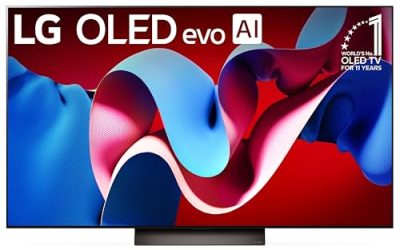
 LG 55-Inch OLED evo C4 Smart TV (OLED55C4PUA) | Check price on Amazon | |
 Roku 55-Inch Pro Series QLED Smart TV (55R8B5) | Check price on Amazon | |
 Insignia 55-Inch F50 Series 4K Fire TV (NS-55F501NA26) | Check price on Amazon |
Our Top Picks
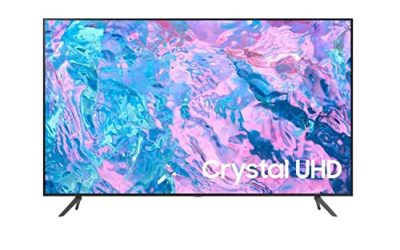
- INSIGNIA 55-inch Class F50 Series LED 4K UHD55-inch10.39 x 48.35 x 30.09 inches28.7 poundsCheck on Amazon
A smart TV is now the center of most living rooms, replacing separate streaming boxes with built-in apps, voice search, and casting from a phone or tablet. The best smart TVs combine a capable streaming platform with a panel that suits the room, whether that means a bright Mini LED screen for daytime sports, an OLED panel for dark-room movies, or a simple, affordable set for a bedroom or second room. Screen size, HDR support, and gaming features then separate otherwise similar models.
This guide compares five smart TVs at a common 55-inch size so the platforms and panels are easy to compare directly. The picks cover Google TV, Roku TV, webOS, and Fire TV, and they range from a budget LED model to premium OLED and Mini LED sets. Each entry lists the verified specifications from its product page, explains who it suits, and notes the trade-offs to check before ordering, including stand width, port layout, and which HDR formats are supported.
As an Amazon Associate, we earn from qualifying purchases.
How to Choose
Start with the smart platform, because it shapes daily use more than any single picture setting. Google TV organizes recommendations across services and supports Google Cast and hands-free voice control on some models. Roku TV favors a simple home screen, a large app library, and an uncluttered remote. LG webOS uses a pointer-style Magic Remote and quick cards for inputs and apps. Samsung Tizen, not represented in the final five here, centers on its Gaming Hub and Smart Hub rows. Fire TV ties closely to Alexa and Amazon services. None of these platforms lacks the major streaming apps, so the real differences are search quality, ad layout, voice assistant support, and how well the interface stays responsive over time.
Next, match the panel to the room. OLED panels light each pixel individually, which gives near-perfect black levels and wide viewing angles that suit movie nights and seating spread across a room. Mini LED models use many small backlight zones for higher peak brightness, which helps in bright living rooms and with HDR highlights in sports and games. A standard LED set costs less and works well for casual viewing, news, and streaming in a bedroom, but it will show weaker contrast in dark scenes. QLED branding indicates a quantum dot color layer, usually paired with LED or Mini LED backlighting, for wider and more saturated color.
Size and placement deserve a quick measurement before buying. A 55-inch TV needs a stand roughly as wide as its feet or a wall mount rated for its weight and VESA pattern. Measure viewing distance as well. For 4K sets, many viewers sit between five and seven feet from a 55-inch screen for movies, and a little farther back for mixed everyday viewing. Check the product dimensions on the listing rather than relying on the diagonal alone, especially for narrow media consoles.
For gaming, look for HDMI 2.1 ports, a native refresh rate of 120 hertz or higher, variable refresh rate support, and auto low latency mode. Those features allow current consoles and gaming PCs to run at higher frame rates with less tearing and input delay. For movies, Dolby Vision support matters because it is used by several major streaming services, while HDR10 is the baseline found on nearly every 4K set. Audio is the last check. Built-in speakers vary widely, and a soundbar connection over HDMI eARC is the simplest upgrade path for any of these sets.
TCL 55-Inch QM7K QD-Mini LED Google TV (55QM7K)
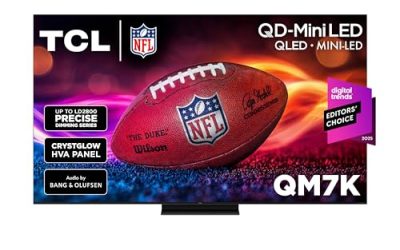
The TCL QM7K is the balanced pick in this group, pairing a QD-Mini LED panel with the Google TV platform and a long list of gaming and HDR features. Its listing highlights the Halo Control system and precise dimming, an anti-reflective screen, and audio tuned with Bang and Olufsen branding. For buyers who want one TV that handles bright-room sports, movies, and console gaming without moving to OLED pricing tiers, this is the most complete all-around specification set here.
Google TV gives the QM7K cross-service recommendations, Google Cast, and voice remote control with Alexa compatibility listed on the product page. The panel runs at a native 144 hertz refresh rate, with Game Accelerator 240 variable refresh for compatible gaming PCs at lower resolutions. HDR coverage is broad, and the set includes four HDMI ports, which leaves room for a console, a streaming stick if ever needed, and a soundbar on eARC at the same time.
Specs
| Item | Detail |
|---|---|
| Model | 55QM7K (2025) |
| Screen size | 55 inches |
| Display | QD-Mini LED, QLED, 4K UHD |
| Smart platform | Google TV |
| Refresh rate | 144 Hz native |
| HDR | Dolby Vision, HDR10+, HLG |
| Audio | Dolby Atmos, DTS:X, IMAX Enhanced, Bang and Olufsen 2.2 channel |
| Connectivity | HDMI (4 ports), USB, Ethernet, Wi-Fi, Bluetooth 5.4 |
| Casting | Google Cast, AirPlay 2 |
| Dimensions | 48.3 x 29.9 x 2.2 inches |
| Weight | 32 pounds |
| ASIN | B0DVWXXRDL |
Who It Suits
The QM7K suits households with a bright main living room that still want strong movie performance at night. Sports fans benefit from the high native refresh rate and anti-reflective screen, and gamers get 144 hertz support plus variable refresh in a mid-range Mini LED package. Buyers who prefer a simpler home screen over Google TV recommendations, or who need the widest possible viewing angles for a very broad seating layout, should compare the OLED and Roku options below before deciding.
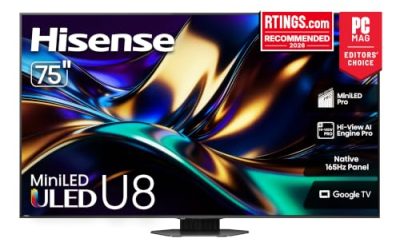
Hisense 55-Inch U8QG Mini-LED Google TV (55U8QG)
The Hisense U8QG is the brightness-focused pick, built around Mini-LED Pro backlighting with a very high local dimming zone count for its class. The listing for the 55-inch model highlights a native 165 hertz panel, Dolby Vision IQ, IMAX Enhanced certification, and a 4.1.2 channel audio system, which is unusually ambitious built-in sound for a TV at this level. It runs Google TV, so its smart features match the TCL above while its panel and audio hardware aim higher.
For gaming, the U8QG lists variable refresh support that extends well beyond console requirements, along with game mode features aimed at PC players as well. Dolby Vision IQ adjusts HDR tone mapping using ambient light sensing, which helps in rooms that shift between daylight and evening viewing. The 4.1.2 channel speaker layout includes up-firing drivers for Dolby Atmos height effects, reducing the urgency of adding a soundbar on day one, although an eARC soundbar remains the fuller upgrade.
Who It Suits
The U8QG suits viewers in bright rooms who watch a lot of HDR movies and sports and want the strongest backlight control in this roundup. It also suits gamers who split time between console and PC and can use the higher refresh ceiling. Buyers sensitive to aggressive local dimming behavior in subtitles or dark space scenes, and anyone who prefers the Roku or webOS interface over Google TV, should weigh those preferences against its hardware advantages.
LG 55-Inch OLED evo C4 Smart TV (OLED55C4PUA)
The LG C4 is the movie and gaming OLED pick. Its self-lit OLED evo panel delivers per-pixel contrast that backlit sets cannot match, so dark scenes keep detail without the halo that local dimming can leave around bright objects. The C4 runs webOS with the Magic Remote, includes the alpha 9 AI Processor Gen7, and supports a 144 hertz refresh rate, which makes it as much a gaming display as a cinema screen.
The Amazon listing confirms 4K resolution, OLED display technology, and gaming features including Nvidia G-Sync compatibility, AMD FreeSync, and Game Mode. Dolby Vision and Dolby Atmos support cover the main premium streaming formats, and the near-borderless design suits wall mounting in a dedicated media room. As with any OLED, the panel is at its best in controlled light, and viewers who leave static news tickers or game interfaces on screen for many hours a day should read the manufacturer guidance on image retention before buying.
Who It Suits
The C4 suits movie lovers with a dim or light-controlled room and gamers who want four full-bandwidth HDMI 2.1 inputs for multiple consoles and a PC. Its wide viewing angles also help when seating wraps around the room. It is less suited to very bright, sun-filled rooms, where the Mini LED models above hold punchier highlights, and less suited to buyers who want the lowest possible price for a second room, where the Insignia below makes more sense.
Roku 55-Inch Pro Series QLED Smart TV (55R8B5)
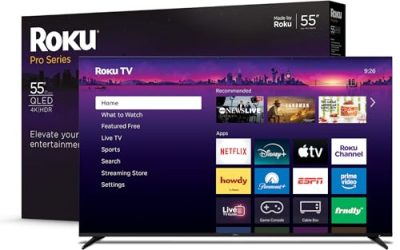
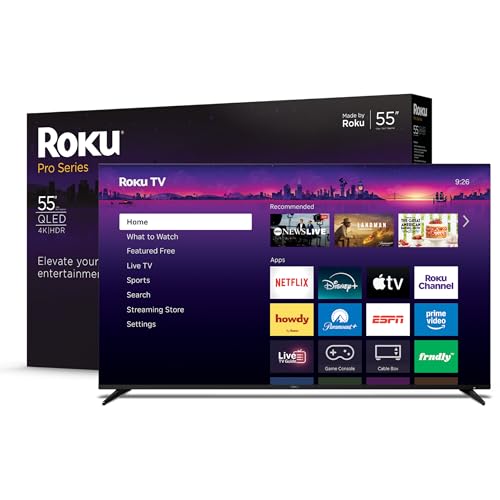
The Roku Pro Series is the ease-of-use pick. Roku built its reputation on a home screen that puts apps in a simple grid without heavy recommendation rows, and the Pro Series pairs that interface with hardware a step above basic Roku-branded sets: a QLED panel with Mini LED backlighting, a 120 hertz refresh rate, Dolby Vision IQ, and the backlit Roku Voice Remote Pro in the box.
The listing for the 55R8B5 model confirms 4K QLED resolution, Dolby Vision IQ, Dolby Atmos audio support, and gaming features including AMD FreeSync Premium Pro, variable refresh rate, and auto low latency mode. Roku Smart Picture features adjust settings by content type, which helps viewers who do not want to tune picture menus manually. The platform also offers a large free and live TV selection through the Roku Channel alongside the usual subscription apps, and it works with Alexa, Google Assistant, and Apple HomeKit and AirPlay ecosystems.
Who It Suits
The Pro Series suits streamers who value a fast, simple interface over deep settings menus, including households setting up a TV for family members who are not technical. It also suits casual and console gamers who want 120 hertz and FreeSync without paying OLED prices. Buyers who rely on Google Cast rather than AirPlay, or who want the highest HDR brightness for a very bright room, should compare the Hisense and TCL models first.
Insignia 55-Inch F50 Series 4K Fire TV (NS-55F501NA26)
The Insignia F50 is the budget pick, covering the smart TV essentials at the lowest tier in this guide. It is a 55-inch LED 4K set running Fire TV, with the Alexa Voice Remote included, HDR10 support, and DTS audio processing listed among its features. For a bedroom, guest room, dorm, or first apartment, that combination delivers the major streaming apps and voice search without paying for Mini LED backlighting or a high refresh panel.
Fire TV organizes content around Amazon accounts and Alexa, so households already using Echo speakers or a Fire TV Stick will feel at home immediately. Picture expectations should match the class. This is a direct LED panel for everyday streaming, broadcast TV, and casual gaming rather than high-frame-rate play, and its contrast in dark movie scenes will sit well behind the OLED and Mini LED models above. Within those limits, the specification is honest and the platform is fully featured, including app support for the major subscription and free streaming services.
Who It Suits
The F50 suits budget-conscious buyers furnishing a secondary room, a rental, or a first home setup, and anyone already invested in Alexa voice control. It also suits viewers whose watching is mostly streaming shows, news, and sports highlights rather than dark-room cinema. Movie enthusiasts and competitive gamers should step up to the Mini LED or OLED picks, which offer local dimming or per-pixel contrast and much higher refresh rates.
FAQ
Which smart TV platform is easiest to use?
Roku TV is generally the simplest, with a plain app grid and minimal setup, which is why the Roku Pro Series above is the ease-of-use pick. Google TV offers stronger recommendations and search across services, webOS adds the pointer-style Magic Remote, and Fire TV fits Alexa households best. All four platforms carry the major streaming apps, so ease comes down to menu style and voice assistant preference.
Is OLED or Mini LED better for a bright living room?
Mini LED is usually better in a bright living room because its backlight reaches higher peak brightness and fights glare more effectively, especially on anti-reflective models such as the TCL QM7K. OLED holds deeper blacks and wider viewing angles, which shine in dim rooms. Room lighting, not panel reputation alone, should decide between the Hisense or TCL Mini LED sets and the LG C4.
What refresh rate do console gamers need?
A native 120 hertz panel with HDMI 2.1, variable refresh rate, and auto low latency mode covers current consoles fully. The LG C4, TCL QM7K, Hisense U8QG, and Roku Pro Series all meet or exceed that baseline on paper. A 60 hertz set such as the Insignia F50 still plays console games, but it cannot display the high frame rate modes that newer titles offer.
Do smart TVs need a separate streaming stick?
Usually not at first, because every TV in this guide runs a full smart platform with the major apps built in. A stick or box becomes useful years later if the built-in platform slows down, loses an app, or stops receiving updates. Choosing a TV with HDMI eARC and a spare HDMI port keeps that future upgrade simple without replacing the panel.
Final Verdict
For most buyers, the TCL QM7K is the safest single recommendation, balancing Mini LED brightness, Google TV, broad HDR support, and 144 hertz gaming in one 55-inch package. The Hisense U8QG is the pick for maximum brightness and built-in audio ambition, while the LG C4 remains the choice for dark-room movies and serious gaming thanks to its OLED contrast and full HDMI 2.1 support. The Roku Pro Series wins on simplicity, and the Insignia F50 covers the budget end honestly. Match the platform to the household, the panel to the room light, and confirm dimensions and HDR formats on the product page before ordering.
Product and ASIN Reference
| Product | ASIN |
|---|---|
| TCL 55-Inch QM7K QD-Mini LED Google TV (55QM7K) | B0DVWXXRDL |
| Hisense 55-Inch U8QG Mini-LED Google TV (55U8QG) | B0F1DRNWP7 |
| LG 55-Inch OLED evo C4 Smart TV (OLED55C4PUA) | B0CVRDK4P6 |
| Roku 55-Inch Pro Series QLED Smart TV (55R8B5) | B0CVP6WK62 |
| Insignia 55-Inch F50 Series 4K Fire TV (NS-55F501NA26) | B0F1BXQNR5 |
More from Amazon
Programs that pair well with the guide above. Offers and eligibility are set by Amazon and may change.
Free shipping on eligible items, Prime Video and more. Eligible new members can start with a free trial.
Start a Prime free trialAd-free music streaming. Eligible new subscribers can start with a free trial.
Try Music Unlimited freeA Prime membership for ages 18-24 with a trial period. Eligibility is set by Amazon.
See Prime for Young AdultsAudiobooks and podcasts to listen to on the go. Eligible new members can start with a free trial.
Try Audible freeAs an Amazon Associate we earn from qualifying purchases.