Our Short List of 3
All 5 Picks at a Glance
| Product | Specs | Action |
|---|---|---|
 Samsung Galaxy S24 | Check price on Amazon | |
 Google Pixel 9a | Check price on Amazon | |
 OnePlus 13R | Check price on Amazon | |
 Motorola Moto G Power 2025 | Check price on Amazon | |
 Samsung Galaxy A35 5G | Check price on Amazon |
Key takeaways
- Compare the best smartphones available now, from flagship cameras and fast chips to long battery life and clean software, and find the right fit.
Choosing a new phone used to mean picking between two or three flagships. Today the best smartphones available span compact flagships, camera-focused models with long software support, performance phones with very large batteries, and capable mid-range handsets that keep expandable storage and a headphone-friendly, practical design. That wider choice is good news, because the right phone depends far more on how someone actually uses a device than on any single headline specification.
This guide compares five current, widely available unlocked smartphones that cover those different priorities well. Each model below is sold in the United States in an unlocked form, so buyers can keep an existing carrier or move between carriers more easily. The sections that follow explain how to choose, then walk through each phone with its key specifications, its strengths and trade-offs, and the type of buyer it suits most.
As an Amazon Associate, we earn from qualifying purchases.
How to Choose
Start with the operating system and software support. Android phones differ a lot in how long they receive operating system and security updates, and that support window now matters as much as hardware. A phone that receives updates for many years stays safer, keeps newer features, and usually holds up better as a long-term purchase. Buyers who plan to keep a phone for four years or more should weigh the update commitment heavily, while buyers who upgrade every two years can focus more on hardware value.
Next, consider performance in everyday terms. A flagship processor handles demanding games, heavy multitasking, and camera processing with more headroom, and it tends to age more gracefully. Mid-range processors still handle messaging, browsing, video, navigation, and most games comfortably, so the practical gap is smaller than marketing suggests. Memory matters alongside the chip: more RAM keeps more apps ready in the background, and more storage delays the day when photos and videos need to be moved or deleted. Buyers who record a lot of video or download large games should prioritize storage, and should note whether a model offers microSD expansion, because most flagships no longer do.
Camera choice should be based on the kind of photos a buyer actually takes. A strong main camera with optical image stabilization matters most for everyday and low-light shots. An ultrawide camera helps with groups, interiors, and landscapes, while a telephoto camera is the one that improves portraits and distant subjects in a noticeable way. Buyers who mostly share photos on messaging apps and social platforms will be well served by a good main camera alone, while photography enthusiasts should look for a complete multi-camera system and strong image processing.
Battery and charging deserve equal attention. Battery capacity is only part of the story, because display size, refresh rate, and processor efficiency all affect real endurance. A larger battery paired with an efficient chip is the safest combination for heavy users and travelers. Charging speed matters too: fast wired charging can add hours of use during a short break. Wireless charging is convenient, but not every model here offers it, so buyers who rely on it should check before choosing.
Finally, think about size, durability, and carrier fit. A compact phone is easier to use with one hand, while a large display is better for video, reading, and split-screen work. Water and dust resistance ratings indicate how well a phone tolerates splashes, rain, and dust. Before buying any unlocked phone, confirm that the exact model supports the bands and features of the intended carrier, especially for 5G service.
Samsung Galaxy S24
The Galaxy S24 is the compact flagship option in this guide, pairing a bright 6.2-inch display with a top-tier processor in a body that remains comfortable for one-handed use. Its Dynamic AMOLED 2X screen uses a 2340 by 1080 resolution and an adaptive refresh rate, so scrolling and video look smooth while the display can still save power with static content. Samsung builds the phone around the Snapdragon 8 Gen 3 for Galaxy processor in the US version, which gives it strong headroom for gaming, camera processing, and multitasking.
The camera system is a versatile triple setup led by a 50-megapixel main camera, joined by ultrawide and telephoto cameras, with a 12-megapixel front camera. That combination covers most situations people photograph, from group shots to portraits and moderate zoom, without forcing a move to a much larger phone. The 4,000 mAh battery is smaller than the batteries in the larger models here, which is the main trade-off of the compact design, although the efficient processor and adaptive display help it last a typical day for many users.
Who It Suits
The Galaxy S24 suits buyers who want flagship speed and a complete camera system in a smaller phone, and who prefer Samsung software, display quality, and accessory support. It is also a sensible pick for buyers upgrading from an older Galaxy model who want to keep a familiar interface. Buyers who prioritize the longest possible battery life, expandable storage, or a larger screen for video should compare the bigger and mid-range models below before deciding.
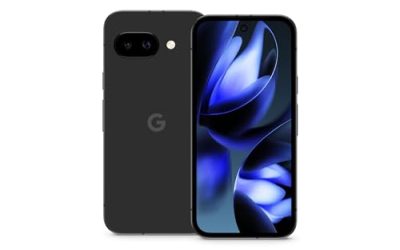
Google Pixel 9a
The Pixel 9a is the camera-and-software pick in this guide. It uses the Google Tensor G4 processor, a 6.3-inch Actua display with a 1080 by 2400 resolution and a refresh rate that adjusts between 60 and 120 Hz, and a clean version of Android 15 with Google Gemini built in. Google promises seven years of operating system and security updates for this model, along with regular Pixel Drops that add features over time, which makes it one of the strongest long-term value choices here.
Photography is the headline strength. The rear system pairs a 48-megapixel wide camera with a 13-megapixel ultrawide camera, and the front camera is 13 megapixels. Google image processing features such as Best Take, Add Me, and Macro Focus are designed to help with group photos and close-up detail, and video recording reaches 4K. The Adaptive Battery is rated by Google to last over 30 hours in typical use, with an Extreme Battery Saver mode for longer stretches away from a charger. An IP68 rating gives the phone strong protection against dust and water for an A-series model.
Who It Suits
The Pixel 9a suits buyers who care most about still photography, clean software, and a long update commitment, and who use Google services and Gemini features in daily life. It is a strong fit for parents and travelers who want dependable point-and-shoot results without learning manual camera controls. Buyers who want a telephoto camera, the fastest gaming performance, or expandable storage should look at the flagship and performance models in this guide instead.
OnePlus 13R
The OnePlus 13R is the performance and battery pick. It pairs the Snapdragon 8 Gen 3 processor with 12 GB of RAM and 256 GB of storage, which is a generous memory and storage combination for a phone positioned below the most expensive flagships. The 6.78-inch display runs at 120 Hz, making it well suited to gaming, streaming, and long reading or browsing sessions, and the large 6,000 mAh battery is the biggest in this guide.
Charging is another strength. The listing highlights 55W SUPERVOOC fast charging, and the box includes a handset, charger, USB data cable, and SIM ejector tool, so buyers are not left to source a compatible fast charger separately. The phone runs Android 15, supports dual SIM use, and carries an IP65 rating for resistance to dust and water jets. That rating is a step below the full immersion protection of the Pixel 9a, so it handles splashes and rain rather than submersion. For buyers whose priority list starts with speed, screen size, storage, and endurance, the 13R covers more of those boxes at once than any other model here.
Who It Suits
The OnePlus 13R suits mobile gamers, heavy multitaskers, and anyone who downloads a lot of media and wants storage headroom without stepping up to an ultra-premium flagship. It also suits buyers who are away from a charger for long stretches and value very fast top-ups. Buyers who want the strongest water resistance, wireless charging as a core feature, or a compact phone should weigh the other models in this guide more heavily.
Motorola Moto G Power 2025
The Moto G Power 2025 is the practical value pick, built around a large display, a long-lasting battery, and storage expansion. Its 6.8-inch display runs at 120 Hz and uses a Full HD plus resolution listed at 2388 by 1080, paired with stereo speakers with Bass Boost for video and music. The MediaTek Dimensity 6300 processor with 5G support is aimed at everyday performance rather than flagship gaming, and it is matched with 8 GB of RAM and 128 GB of storage.
Storage is a genuine advantage here: the phone accepts a dedicated microSD card up to 1 TB, which none of the flagships in this guide offer. The 50-megapixel camera system includes optical image stabilization, which helps keep low-light photos and video steadier, and the front camera is 16 megapixels. The 5,000 mAh battery supports TurboPower charging, the design uses a vegan leather finish with Corning Gorilla Glass 5 and underwater protection, and the phone keeps a 3.5 mm headphone jack. It is unlocked for all major US carriers, including Verizon, AT&T, and T-Mobile, plus many prepaid carriers.
Who It Suits
The Moto G Power 2025 suits buyers who want a big screen, dependable battery life, and room for a large photo or music library without paying flagship prices. It is a good fit for commuters, students, and anyone replacing an older budget phone who still uses wired headphones or a memory card. Buyers who play demanding games at high settings, or who want the longest software update support, should consider the Pixel 9a or a flagship model instead.
Samsung Galaxy A35 5G
The Galaxy A35 5G is the mid-range Samsung option for buyers who want a premium-feeling display and expandable storage in the Galaxy ecosystem. It uses a 6.6-inch Super AMOLED display with a 120 Hz refresh rate, an Exynos 1380 processor, and a triple camera system led by a 50-megapixel main camera with optical image stabilization. Samsung positions the US version with 128 GB of storage and expandable storage support, which sets it apart from the Galaxy S24 in this guide.
The 5,000 mAh battery is larger than the battery in the compact Galaxy S24, and the phone carries an IP67 rating for dust and water resistance, along with Corning Gorilla Glass Victus plus protection on the front. In daily terms, the A35 5G is a sensible middle path: it keeps the bright AMOLED screen, familiar One UI software, and the microSD slot many Galaxy A-series owners rely on, while giving up the flagship processor and telephoto camera of the S24.
Who It Suits
The Galaxy A35 5G suits Samsung loyalists who want a bright AMOLED screen, a large battery, and a memory card slot at a mid-range position, plus buyers who stream a lot of video and value display quality over raw processing speed. It is also a practical family phone, since storage can grow with a card as photo libraries expand. Buyers who want flagship gaming performance, a telephoto camera, or the fastest charging should compare the Galaxy S24 and OnePlus 13R sections above.
FAQ
Which smartphone in this guide is best for photography?
The Google Pixel 9a is the strongest choice for most photographers in this group because of its 48-megapixel main camera, Google image processing, and features designed for group photos and close-ups. Buyers who also want a dedicated telephoto camera for portraits and zoom should choose the Samsung Galaxy S24, which adds that lens to its triple camera system.
Which phone has the longest battery life on paper?
The OnePlus 13R has the largest battery in this guide at 6,000 mAh, paired with fast 55W wired charging. The Motorola Moto G Power 2025 and Samsung Galaxy A35 5G follow with 5,000 mAh batteries, while the Pixel 9a is rated by Google for over 30 hours of typical use from its Adaptive Battery. Real endurance still depends on screen brightness, signal strength, and how demanding the apps in use are.
Are all of these phones sold unlocked for US carriers?
Yes, each model in this guide is listed in an unlocked US form, and the listings describe compatibility with major carriers such as Verizon, AT&T, and T-Mobile. Compatibility can still vary by exact model number and carrier feature, especially for 5G bands and Wi-Fi calling, so buyers should confirm the specific listing against their carrier before ordering.
How long will these phones keep receiving updates?
Support windows differ by brand and model. The Pixel 9a stands out with seven years of operating system and security updates promised by Google, which makes it the clearest long-term choice here. Samsung and OnePlus also provide multi-year update programs for their current models, while budget models such as the Moto G Power typically receive a shorter support window, so frequent upgraders will notice that difference less than long-term owners.
Final Verdict
There is no single winner among the best smartphones available, because each model in this guide leads on a different priority. The Samsung Galaxy S24 is the best all-round compact flagship, with top-tier speed and the most complete camera system in a smaller body. The Google Pixel 9a is the pick for photography, clean software, and the longest update commitment. The OnePlus 13R wins on performance per specification, storage, battery size, and charging speed, making it the natural choice for gamers and heavy users.
For buyers watching their spending, the Motorola Moto G Power 2025 delivers the big screen, big battery, headphone jack, and microSD expansion that practical users ask for, while the Samsung Galaxy A35 5G offers a brighter AMOLED display and Galaxy software in the same value-minded territory. Start by deciding which matters most among camera quality, battery life, size, and software support, then match that priority to the phone above that was built around it.
Product and ASIN Reference
| Product | ASIN |
|---|---|
| Samsung Galaxy S24 | B0CMDPRN7M |
| Google Pixel 9a | B0DVHV7X53 |
| OnePlus 13R | B0DP96J3KT |
| Motorola Moto G Power 2025 | B0DP5FW9QQ |
| Samsung Galaxy A35 5G | B0CV4NH5T9 |
More from Amazon
Programs that pair well with the guide above. Offers and eligibility are set by Amazon and may change.
Free shipping on eligible items, Prime Video and more. Eligible new members can start with a free trial.
Start a Prime free trialAd-free music streaming. Eligible new subscribers can start with a free trial.
Try Music Unlimited freeA Prime membership for ages 18-24 with a trial period. Eligibility is set by Amazon.
See Prime for Young AdultsAudiobooks and podcasts to listen to on the go. Eligible new members can start with a free trial.
Try Audible freeAs an Amazon Associate we earn from qualifying purchases.