Our Top Picks
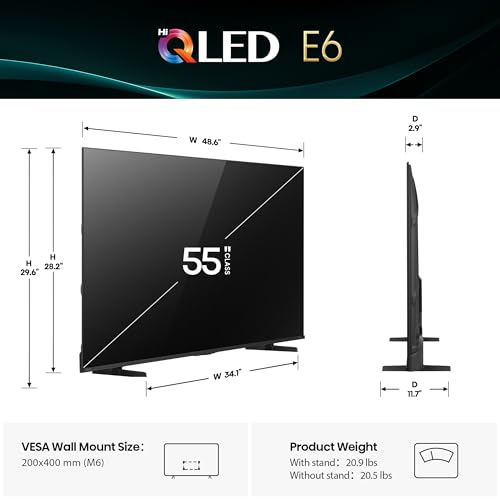
 Hisense 55" Class E6SR Series Hi-QLED 4K UHD55 Inch2.9 x 48.6 x 28.1 inches20.5 PoundsCheck on Amazon
 Hisense 40-Inch Class QD4SR Series Hi-QLED FHD Smart40-inch3.1 x 35.4 x 20.1 inches10.4 poundsCheck on Amazon
 Hisense 55" E6 Cinema Series Hi-QLED 4K UHD55 Inch2.9 x 48.6 x 28.2 inches20.5 poundsCheck on Amazon
 Hisense 55“ Hi-QLED S7 CanvasTV Series 4K UHD55-Inch1.2 x 48.5 x 28.3 inches34.2 poundsCheck on Amazon
The best Hisense TV for most homes in this set is a 55-inch E6SR Roku or E6QF Fire TV model, because that size and 4K Hi-QLED class cover the widest range of living rooms and budgets, while the 75-inch E7 Mini-LED is the step up for people who want bigger, brighter and smoother. The smallest 32 and 40-inch listings are bedroom and kitchen sets, and the S7 CanvasTV is a design-led choice. Ten listings are compared below using only what their titles say, plus general television knowledge, so confirm ports, brightness and warranty details on the product page.
Top picks at a glance
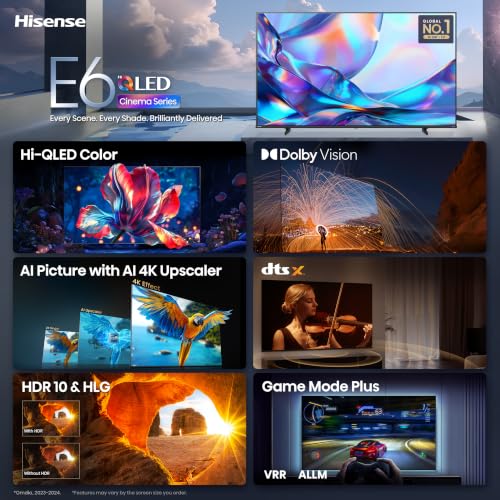
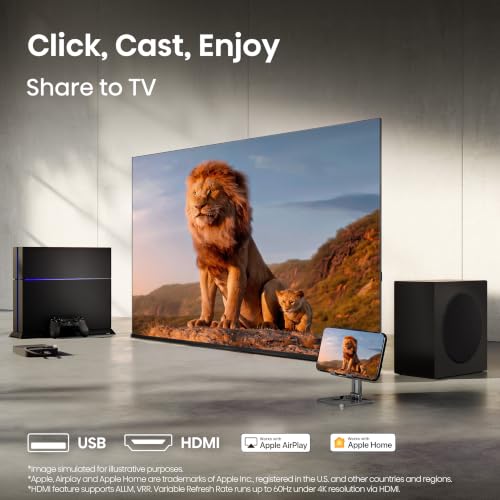
Hisense 55" Class E6SR Series Hi-QLED 4K UHD Smart Roku TV (55E6SR, 2026 Model) - Dolby Vision, Game Mode Plus, VRR, ALLM, DTS Virtual:X, Apple AirPlay, Compatible with Alexa and Google Assistant







As an Amazon Associate we earn from qualifying purchases. Product prices and availability are accurate as of the date/time indicated.
Hisense 40-Inch Class QD4SR Series Hi-QLED FHD Smart Roku TV (40QD4SR, 2026 Model) – Hi-QLED Color, Dolby Audio, Compatible with Alexa, Full Array LED, Slim Bezel Design


As an Amazon Associate we earn from qualifying purchases. Product prices and availability are accurate as of the date/time indicated.

Hisense 50" Class E6SR Series Hi-QLED 4K UHD Smart Roku TV (50E6SR, 2026 Model) - Dolby Vision, Game Mode Plus, VRR, ALLM, DTS Virtual:X, Apple AirPlay, Compatible with Alexa and Google Assistant

As an Amazon Associate we earn from qualifying purchases. Product prices and availability are accurate as of the date/time indicated.
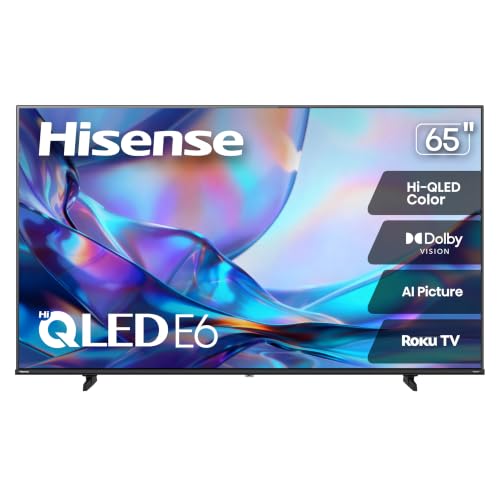
Hisense 65" Class E6SR Series Hi-QLED 4K UHD Smart Roku TV (65E6SR, 2026 Model) - Dolby Vision, Game Mode Plus, VRR, ALLM, DTS Virtual:X, Apple AirPlay, Compatible with Alexa and Google Assistant


As an Amazon Associate we earn from qualifying purchases. Product prices and availability are accurate as of the date/time indicated.
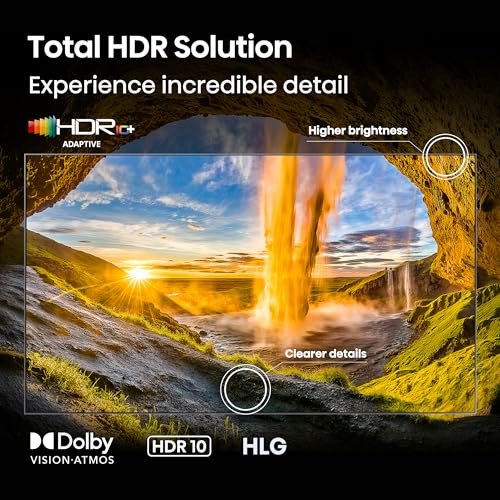
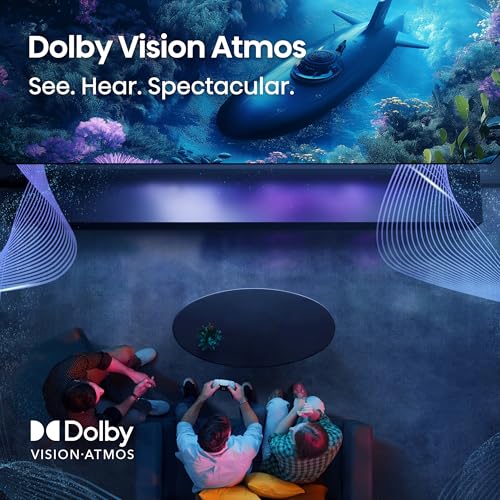
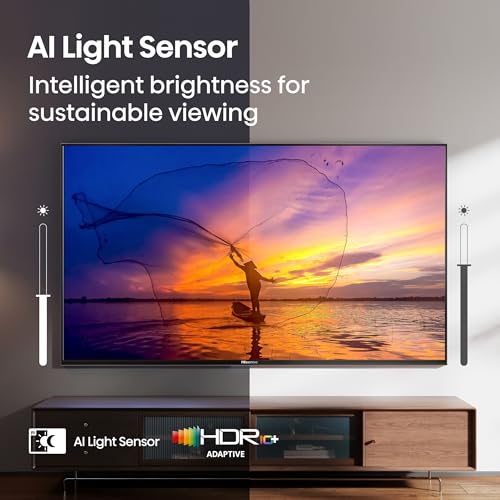
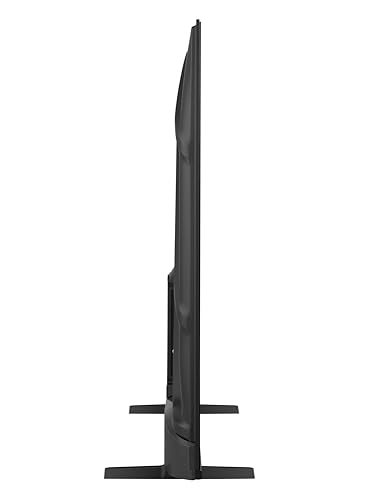
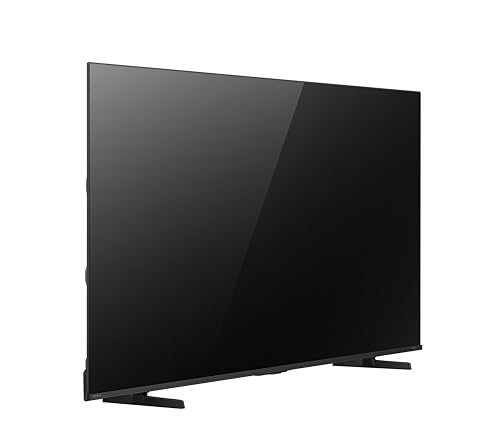
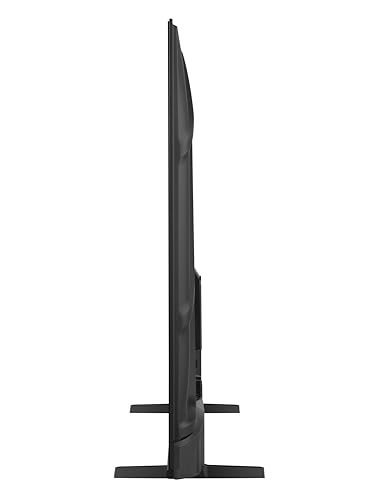
Hisense 55" E6 Cinema Series Hi-QLED 4K UHD Smart Fire TV (55E6QF) - AI Light Sensor, Dolby Vision · Atmos, Voice Remote with Alexa, Motion Rate 120, HDR 10+ Adaptive, Game Mode Plus




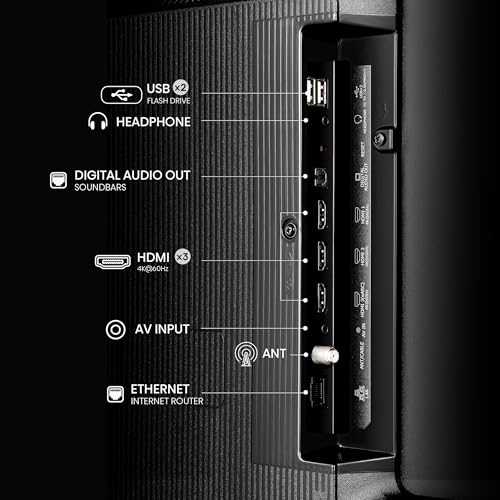
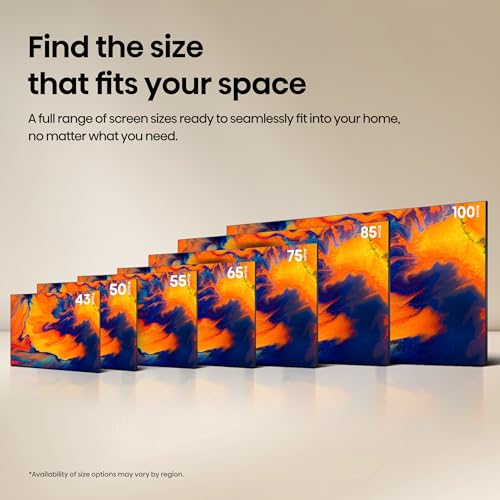


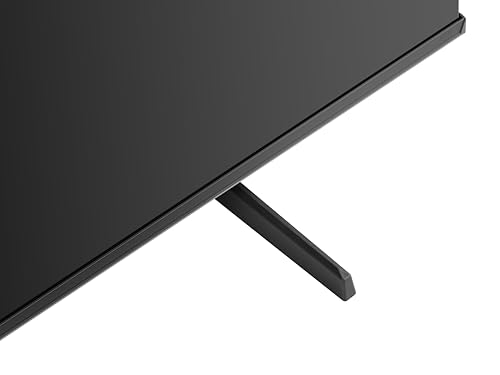


As an Amazon Associate we earn from qualifying purchases. Product prices and availability are accurate as of the date/time indicated.
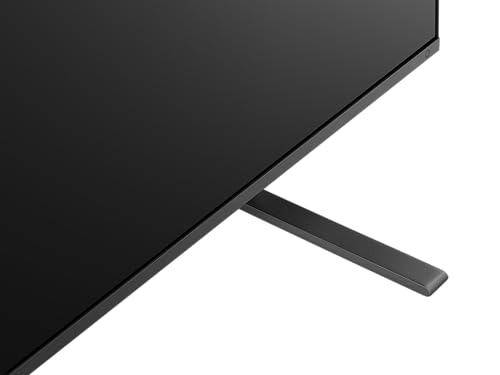
Hisense 55“ Hi-QLED S7 CanvasTV Series 4K UHD Google Smart Art TV (55S7SG, 2026 New) - 144Hz, Art Mode, Anti-Glare Panel, Dolby Vision HDR, Hi-Matte Display, Frame & UltraSlim Wall Mount Included







As an Amazon Associate we earn from qualifying purchases. Product prices and availability are accurate as of the date/time indicated.
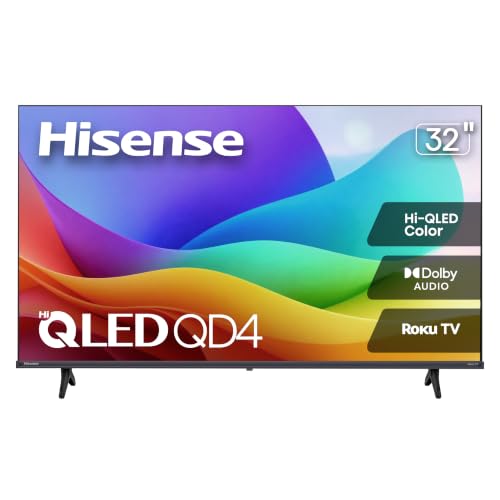
Hisense 32-Inch Class QD4SR Series Hi-QLED HD Smart Roku TV (32QD4HSR, 2026 Model) – Hi-QLED Color, Dolby Audio, Compatible with Alexa, Full Array LED, Slim Bezel Design


As an Amazon Associate we earn from qualifying purchases. Product prices and availability are accurate as of the date/time indicated.

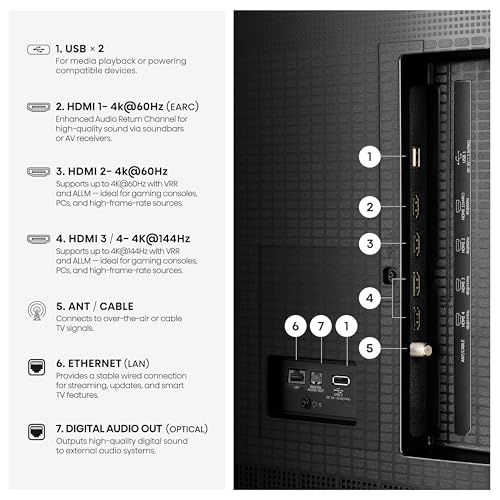
Hisense 75" E7 Cinema Series Hi-QLED Mini-LED 4K UHD Smart Fire TV (75E7SF, 2026 NEW) - Native 144Hz, AI Picture, Dolby Vision IQ · Atmos, FALD, HDR10+ Adaptive, MEMC, Alexa+




As an Amazon Associate we earn from qualifying purchases. Product prices and availability are accurate as of the date/time indicated.

Hisense 75" Class E6SR Series Hi-QLED 4K UHD Smart Roku TV (75E6SR, 2026 Model) - Dolby Vision, Game Mode Plus, VRR, ALLM, DTS Virtual:X, Apple AirPlay, Compatible with Alexa and Google Assistant

As an Amazon Associate we earn from qualifying purchases. Product prices and availability are accurate as of the date/time indicated.
| Model | Key point from title | Price tier | Best for |
|---|---|---|---|
| Hisense 55″ E6SR (55E6SR) | 4K Hi-QLED, Roku, Dolby Vision, VRR, ALLM | Mid-range | Default living-room pick |
| Hisense 40″ QD4SR (40QD4SR) | FHD Hi-QLED, Roku, full array LED | Budget | Bedroom or kitchen |
| Hisense 50″ E6SR (50E6SR) | 4K Hi-QLED, Roku, gaming features | Budget | Smaller 4K room |
| Hisense 65″ E6SR (65E6SR) | 4K Hi-QLED, Roku, Apple AirPlay | Mid-range | Larger family room |
| Hisense 43″ E6 Cinema (43E6QF) | 4K Hi-QLED, Fire TV, AI light sensor | Budget | Compact Fire TV setup |
| Hisense 55″ E6 Cinema (55E6QF) | 4K Hi-QLED, Fire TV, Motion Rate 120 | Mid-range | Fire TV in a main room |
| Hisense 55″ S7 CanvasTV (55S7SG) | Art Mode, anti-glare, 144Hz, Google TV | Premium | Style-first living rooms |
| Hisense 32″ QD4SR (32QD4HSR) | HD Hi-QLED, Roku, slim bezel | Budget | Small secondary room |
| Hisense 75″ E7 Cinema (75E7SF) | Mini-LED, native 144Hz, FALD, Fire TV | Premium | Big-screen movies and gaming |
| Hisense 75″ E6SR (75E6SR) | 4K Hi-QLED, Roku, large screen | Premium | Big screen at a lower class |
What is changing in the Hisense lineup
Television shopping has become as much about the software platform as the panel. These listings span three: Roku, Fire TV and a Google-based smart platform. Each has different menus, voice assistants and app availability, and switching later usually means buying a streaming stick rather than changing the set. If you already live in one ecosystem, that can settle the decision before you look at panels.
Panel technology is also moving. Entry-level listings in this set describe Hi-QLED LED-backlit panels, the E7 adds Mini-LED with a full-array backlight, and the S7 emphasizes a matte anti-glare surface and an art-display mode. The practical result is more variety under one brand than a quick scan of the names suggests. Gaming features have also moved down-market: variable refresh rate, auto low-latency mode and game modes now appear in budget-friendly 4K listings, though HDMI port specifications still matter.
Finally, model naming is crowded. Several listings share a series and differ only by size, so details like HDMI configuration or panel quality can vary between sizes even when the title wording looks the same. Always check the specific model number.
How we picked these
This shortlist is based on listing titles, published specifications and manufacturer documentation that sellers make public, along with themes from buyer feedback such as setup, remote behavior and brightness. Nobody on the team used or measured these units. We cannot say how accurate the colors are, how bright the panels get or how well the motion handling works. Where a title leaves a question open, we say “check the listing.” Price tiers are relative inside this set and do not imply a dollar figure.
The ten TVs, model by model
Hisense 55″ Class E6SR Series Hi-QLED 4K Smart Roku TV (55E6SR)
This is the mid-size anchor of the E6SR family. The title lists Hi-QLED 4K, Dolby Vision, Game Mode Plus, VRR, ALLM, DTS Virtual:X, Apple AirPlay and compatibility with Alexa and Google Assistant. That mix is attractive for a family that streams in the evening and plays console games on weekends.
At 55 inches, a seat about 5.5 to 7 feet away fills a comfortable portion of your view, which suits many living rooms.
- Pro: gaming-oriented features such as VRR and ALLM are named.
- Pro: Roku platform with AirPlay and two voice assistants.
- Con: title does not state refresh rate or dimming zones.
Check the listing for HDMI 2.1 support, the number of ports and the refresh rate. Question to ask: do all HDMI ports support the gaming features?
Hisense 40-Inch Class QD4SR Series Hi-QLED FHD Smart Roku TV (40QD4SR)
A 1080p panel in a 40-inch frame, with Hi-QLED color, Dolby Audio, Alexa compatibility, a full-array LED backlight and a slim bezel. Full HD is perfectly reasonable at this size and distance, and the budget tier suits secondary rooms. Our guide to budget 40 inch TVs covers the category more broadly.
Scenario: a guest bedroom or a kitchen counter where the TV is mostly for news and streaming apps. You will not see 4K detail at that distance anyway.
- Pro: lowest price tier in this size class.
- Pro: Roku interface is simple for guests.
- Con: no 4K, no HDR format named beyond Dolby Audio.
Check the listing for stand width, VESA pattern and port count. Question to ask: does the full-array backlight include any dimming zones?
Hisense 50″ Class E6SR Series Hi-QLED 4K UHD Smart Roku TV (50E6SR)
Same series and feature list as its larger siblings, in a smaller body: 4K Hi-QLED, Dolby Vision, Game Mode Plus, VRR, ALLM, DTS Virtual:X and Apple AirPlay. For a smaller living room or a bedroom with a bigger bed-to-wall distance, 50 inches is a modest upgrade over 43.
It is the lowest-cost way into the E6SR feature set, which matters if you want gaming features without spending more on screen size.
- Pro: the E6SR feature list at a budget tier.
- Pro: easier to place on a standard media console.
- Con: smaller screens can look less cinematic from far seating.
Check the listing for stand placement, since feet at the edges need a wider table. Question to ask: are there differences in HDMI ports versus the 55-inch version?
Hisense 65″ Class E6SR Series Hi-QLED 4K UHD Smart Roku TV (65E6SR)
The 65-inch version suits larger rooms or households that sit farther back. By the common guideline of 1.2 to 1.6 times the diagonal, a viewing spot of about 6.5 to 8.7 feet works well. The title repeats the same E6SR feature list, so the main change is screen area.
It lands at a mid-range tier here, a sensible spot for movie nights and sports gatherings.
- Pro: bigger screen with the same named features.
- Pro: Apple AirPlay and Alexa or Google Assistant support.
- Con: heavier to lift and mount, so plan for two people.
Check the listing for weight, stand width and the VESA pattern. Question to ask: will the stand legs fit on your furniture?
Hisense 43″ E6 Cinema Series Hi-QLED 4K UHD Smart Fire TV (43E6QF)
This is the compact Fire TV option, with an AI light sensor, Dolby Vision and Atmos, a voice remote with Alexa, Motion Rate 120, HDR10+ Adaptive and Game Mode Plus. A light sensor generally adjusts the picture to room brightness, which is helpful in rooms with changing daylight.
Think of a small den where you already use Alexa for lights and music. A 43-inch set stays out of the way while still delivering a 4K feature set.
- Pro: ambient light sensing and voice remote are named.
- Pro: HDR10+ and Dolby Vision are both listed.
- Con: Fire TV menus include prominent content recommendations.
Check the listing for how “Motion Rate 120” is defined, as it is a marketing term. Question to ask: what is the native panel refresh rate?
Hisense 55″ E6 Cinema Series Hi-QLED 4K UHD Smart Fire TV (55E6QF)
The 55-inch sibling of the Fire TV listing has the same feature set: AI light sensor, Dolby Vision and Atmos, Alexa voice remote, Motion Rate 120, HDR10+ Adaptive and Game Mode Plus. It competes directly with the 55E6SR Roku set, so the platform becomes the deciding factor.
If your household already uses Fire TV sticks elsewhere, matching the interface can reduce friction. Atmos support in the title suggests attention to audio formats, though a soundbar will usually do more than any built-in speakers.
- Pro: voice remote with Alexa.
- Pro: lower price tier than the 55E6SR in this set.
- Con: no mention of VRR or ALLM, so console players should verify.
Check the listing for HDMI details and eARC support. Question to ask: which port supports soundbar connection?
Hisense 55″ Hi-QLED S7 CanvasTV Series 4K Google Smart Art TV (55S7SG)
This is the design-led listing. The title names a 144Hz refresh rate, Art Mode, an anti-glare panel, Dolby Vision HDR, a Hi-Matte display, and a Frame and UltraSlim wall mount included. The matte finish can reduce reflections in bright rooms, and Art Mode is meant to display artwork when you are not watching.
Picture a loft with large windows where glare is a problem. The matte panel and flush mount address that, but the premium price tier reflects styling as well as specifications. The title also contains a typo in the size marker, so verify that it is a 55-inch set.
- Pro: anti-glare and matte surface for bright rooms.
- Pro: 144Hz and Dolby Vision named.
- Con: premium tier for a 55-inch size, and the Art Mode content library may require subscriptions.
Check the listing for what the included mount supports and any art content fees. Question to ask: does the frame attach with magnets or screws?
Hisense 32-Inch Class QD4SR Series Hi-QLED HD Smart Roku TV (32QD4HSR)
The smallest set here carries an HD panel, Hi-QLED color, Dolby Audio, Alexa compatibility, a full-array LED backlight and a slim bezel. It is aimed at a kitchen counter, workshop shelf or child’s room. Oddly, its price tier is above the 40-inch FHD listing, a reminder that small sets do not always cost less.
At 32 inches, resolution matters less than convenience: a simple Roku menu, quick start and a slim profile.
- Pro: small footprint and slim bezel.
- Pro: Roku platform for easy streaming.
- Con: HD only and priced above a larger FHD set in this list.
Check the listing for the price comparison with the 40-inch model. Question to ask: is the 32-inch panel really worth paying more than the 40?
Hisense 75″ E7 Cinema Series Hi-QLED Mini-LED 4K UHD Smart Fire TV (75E7SF)
The most feature-rich listing here: Mini-LED, native 144Hz, AI Picture, Dolby Vision IQ and Atmos, FALD, HDR10+ Adaptive, MEMC and Alexa+. FALD stands for full-array local dimming, which can improve contrast in dark scenes by dimming zones independently. A 75-inch screen needs about 7.5 to 10 feet of viewing distance by the common guideline.
This suits a dedicated movie or gaming room where you control lighting. For a bright open-plan space, brightness and glare handling matter more than any title can tell you.
- Pro: Mini-LED and FALD named for contrast.
- Pro: native 144Hz for fast motion and gaming.
- Con: premium tier, heavy, and the number of dimming zones is not stated.
Check the listing for zone counts, peak brightness and HDMI 2.1 ports. Question to ask: does the delivery include in-home setup?
Hisense 75″ Class E6SR Series Hi-QLED 4K UHD Smart Roku TV (75E6SR)
The largest E6SR carries the same feature list as the smaller versions: Dolby Vision, Game Mode Plus, VRR, ALLM, DTS Virtual:X, Apple AirPlay and voice-assistant compatibility. It offers a big screen without stepping up to Mini-LED pricing.
The tradeoff is that a 75-inch screen magnifies panel limitations such as blooming or uneven brightness, which cannot be judged from a title. It sits in the premium tier of this set but well below the E7.
- Pro: big-screen size with Roku and gaming features.
- Pro: lower price tier than the 75E7SF.
- Con: no Mini-LED or FALD named, so contrast may be less deep.
Check the listing for weight, stand width and return terms. Question to ask: how many people are needed for safe unboxing and mounting?
Roku, Fire TV or Google: which platform suits you
Because this group spans three smart-TV platforms, the software choice deserves its own pass. Roku listings, the E6SR and QD4SR families, are generally associated with a simple grid of channels and a neutral home screen. Fire TV listings, the E6QF and E7SF, put Alexa front and center and lean toward Amazon’s content recommendations. The S7 CanvasTV uses a Google-based smart platform, which tends to suit people who live in Google’s apps and cast from phones.
Practical tests help. List the five apps you open most and confirm each one is available on the platform. Think about voice control: if you already use Alexa for lights and timers, a Fire TV voice remote slots in easily, while Google Assistant users may prefer the Google listing or the Roku sets that name compatibility. Finally, consider guests and children. A home screen that is easy to navigate reduces the number of times you are called to fix the remote. None of this changes picture quality, but it changes how often you enjoy the TV.
Placement, mounting and room lighting
Where the TV goes affects the result as much as which model you pick. Stand-mounted sets need furniture at least as wide as the stand’s feet, and some listings use widely spaced feet that will not fit narrow consoles. Wall-mounting frees space but requires the correct VESA pattern, the right bracket weight rating and secure anchoring; follow the manufacturer’s instructions and local codes, and use a qualified installer if you are unsure. In rooms with strong daylight, avoid placing any glossy screen opposite a window. A matte or anti-glare finish helps, but angle and curtains help too.
Buying guide: choosing a Hisense TV
Pick the platform first
Roku, Fire TV and Google TV differ in menu style, voice control and app access. Roku tends to be favored for simplicity, Fire TV for Alexa integration and Google TV for Google services. Choose whichever you will actually use daily, because the platform affects the experience more than small panel differences. If your preferred platform is missing on a model, a streaming stick is a fallback, as in our guide to streaming sticks for older TVs.
Match size to distance
A common guideline is to sit 1.2 to 1.6 times the screen diagonal away from a 4K set. At 55 inches, that is roughly 5.5 to 7.3 feet. At 65 inches, about 6.5 to 8.7 feet. At 75 inches, about 7.5 to 10 feet. These are labeled estimates, and comfort varies.
Panel and brightness
Hi-QLED is a brand term for quantum-dot LED sets. Mini-LED with full-array local dimming can offer better contrast. If you want to compare approaches, read our guide to QLED TVs or the roundup of Mini LED TVs. Peak brightness, dimming zone counts and panel type should come from the manufacturer’s specifications, not the title.
Gaming features
VRR, ALLM and a high refresh rate help consoles and PCs. Check how many HDMI ports support the full feature set, because many TVs enable them on only one or two ports. Native 144Hz, as in two listings here, is only useful if your source can output it.
Worked example with stated assumptions
Assume a living room with a couch 8 feet from the wall, moderate daylight and a console. Using the 1.2 to 1.6 guideline, 8 feet suggests a 60 to 80 inch diagonal range, so the 65-inch E6SR is a sensible fit and the 75-inch is a stretch-up option. If the room is dark and you watch films at night, the 75E7SF’s Mini-LED may be worth a look. If the same room gets strong sun, the S7 matte panel is a possible fit but only 55 inches. Assume 4 hours of use a day at 100 watts: 0.4 kWh daily, about 12 kWh a month, or roughly 2 dollars at 17 cents per kWh. Real wattage varies by model and settings.
| Spec concept | What to look for | Why it matters |
|---|---|---|
| Resolution | HD, FHD or 4K by size | Detail visible at your seating distance |
| Backlight | Hi-QLED, full array, Mini-LED, FALD | Drives contrast and dark scenes |
| Refresh rate | Native versus marketing “Motion Rate” | Smoothness for sports and games |
| HDMI ports | Count, version and eARC | Consoles, soundbars and future devices |
| HDR formats | Dolby Vision, HDR10+, Adaptive | Compatibility with streaming content |
| Platform | Roku, Fire TV or Google | Menus, voice assistant and app access |
Same series, different sizes: what to compare
Four E6SR listings (50, 55, 65 and 75 inches) and two E6QF listings (43 and 55 inches) repeat nearly identical feature wording in their titles. That is useful for narrowing the field, but it also hides differences. Panel quality, brightness, speaker size and the number of HDMI ports can change between sizes in the same family, and sellers do not always spell that out. The safest approach is to open each model’s specification sheet and compare the same five lines: native refresh rate, HDMI version and count, HDR formats, peak brightness and weight.
It also pays to compare price per diagonal inch inside a family. In this set, a jump from 55 to 65 inches costs less than the jump from 65 to 75 inches, which suggests the largest size is where you pay the most for each extra inch. Whether that is worth it depends on your seating distance, your budget and whether the 75-inch E7 Mini-LED, with its different panel technology, is the better use of the premium tier.
Mistakes buyers make
The first mistake is buying on size alone. A big screen in a small room, or a small screen in a large one, leaves the viewing experience worse than a better-matched set. The second is assuming that identical series wording means identical hardware; models in the same family can differ in ports and panels by size.
Third, many shoppers skip the platform decision and later find they dislike the interface. Fourth, they ignore built-in sound, then discover thin speakers on slim sets; plan for a soundbar. Fifth, they forget mounting realities: heavy 65 and 75-inch sets need studs, proper brackets and two people. Sixth, they treat marketing phrases like “Motion Rate 120” as native refresh rates. Check the specification sheet.
Verdict by use case
For the average living room, start with the 55-inch E6SR Roku or the 55-inch E6QF Fire TV and choose by platform. For smaller 4K rooms, the 50-inch E6SR and 43-inch E6QF are the budget routes. For larger rooms, the 65-inch E6SR is a balanced step up, and the 75-inch E6SR is the economical big-screen option. For movie and gaming enthusiasts with darker rooms, the 75-inch E7 Mini-LED is the standout on paper. For bright rooms where style matters, the 55-inch S7 CanvasTV is the distinctive pick. For secondary spaces, the 40-inch FHD is the better value than the 32-inch HD in this set.
Frequently asked questions
Which Hisense listing is the best all-rounder?
On paper, the 55-inch E6SR Roku model is the easiest recommendation for most living rooms because its title bundles a 4K Hi-QLED panel, Dolby Vision, Game Mode Plus, VRR and ALLM at a mid-range price tier within this set. The 55-inch E6QF Fire TV is nearly identical in size and class, so the choice often comes down to whether you prefer Roku or Fire TV menus. Check the listing for HDMI port details before you commit.
What does Hi-QLED mean in these titles?
Hi-QLED is the manufacturer’s branding for its quantum-dot LED-backlit panels, used in every listing here. Quantum dots are meant to widen the range of colors the screen can show compared with a basic LED panel. The name alone does not tell you brightness, contrast or local dimming performance, so look at the specification sheet for peak brightness, the number of dimming zones and the panel type before treating two Hi-QLED models as equivalent.
Is the 75-inch E7 Mini-LED worth the extra cost over the 75-inch E6SR?
The E7 title lists Mini-LED, full-array local dimming, native 144Hz, MEMC and an AI picture mode, while the E6SR title lists a Hi-QLED 4K panel with Dolby Vision and gaming features. Those features can matter for dark-room contrast and fast motion. But we cannot say how much better it looks, because nobody on the team used these sets. Weigh the price tier gap against your room lighting and gaming needs.
How far should I sit from a 4K TV at these sizes?
A common guideline for 4K sets is to sit roughly 1.2 to 1.6 times the diagonal screen size away, though preferences vary. For a 55-inch TV, that works out to roughly 5.5 to 7.3 feet. For a 75-inch model, it is about 7.5 to 10 feet. Treat these as starting points, then adjust for room layout, seating and how much of the picture you want to fill your view.
Can I wall-mount any of these TVs myself?
Many people do, but you need the right VESA pattern, a bracket rated for the weight and secure anchoring into studs or suitable masonry anchors. The 55-inch S7 CanvasTV title mentions an included wall mount, while others may not include one. Check the listing for weight and mounting pattern, follow the manufacturer’s instructions and local codes, and hire a qualified installer if you are unsure about the wall or the lift.
Are these sets safe around children and pets?
Any large television can tip if placed on an unstable stand or pulled from the front. Use the stand the manufacturer specifies or a secure wall mount, keep cords out of reach and consider anti-tip straps. Place the set on furniture rated for its weight and width. Follow the manufacturer’s instructions and local codes, and ask a qualified installer for help with heavy 65 and 75-inch models.