Key takeaways
- Compare the best tablets for students for notes, reading, lectures and streaming, with clear specs on displays, storage, stylus support and battery life.
A good student tablet has to do several jobs at once without getting in the way. It needs to open lecture slides quickly, hold a full term of readings and notes, join video calls clearly, and still have charge left for the library session after class. Screen size, stylus support, storage, and how well the tablet works with the apps a school actually uses matter far more than raw power alone.

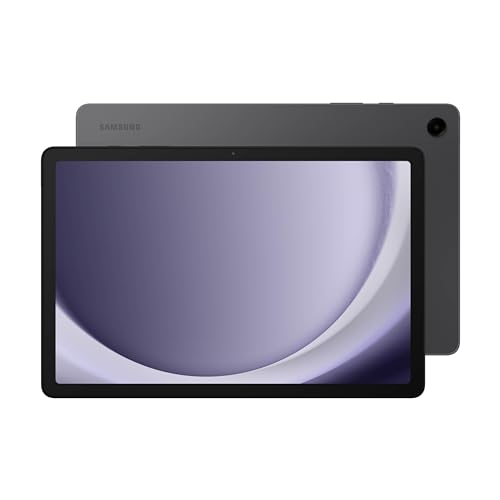
This guide compares five tablets that cover the main student needs honestly. The Apple iPad and Samsung Galaxy Tab S9 FE suit students who want strong note-taking with an included or widely supported stylus path. The Samsung Galaxy Tab A9 Plus and Lenovo Tab M11 focus on larger screens for reading and split-screen study at a more modest level of performance. The Amazon Fire HD 10 covers reading, streaming, and light coursework for students who mainly work inside a browser and Amazon services. Each section lists verified specifications so the differences are easy to judge.
As an Amazon Associate, we earn from qualifying purchases.
How to Choose a Tablet for School
Start with the work, not the brand. Students who handwrite notes, annotate PDFs, or sketch diagrams should put stylus support first. A tablet that includes a pen in the box, such as the Galaxy Tab S9 FE and some Lenovo Tab M11 bundles, removes an extra purchase and a compatibility question. Students who type most of their work should check keyboard case options instead, and confirm that the tablet supports the word processor, learning platform, and video app their school uses before buying anything.
Screen size shapes daily comfort. A display near 11 inches gives enough room for a textbook page beside a notes app in split-screen view, which is the setup many students end up using most. Smaller or lighter tablets are easier to hold for long reading sessions, while larger panels help with spreadsheets, sheet music, and side-by-side research. Resolution matters for text clarity: every tablet in this guide uses a panel at or near 1920 by 1200 pixels or higher, so small print in slides and ebooks stays readable.
Storage and memory decide how long the tablet stays useful. Course apps, downloaded lectures, and offline readings add up quickly, so 128 gigabytes is a comfortable target for most students. Tablets with a microSD slot, including the Samsung and Fire models here, let storage grow later without replacing the device. Memory affects multitasking: more RAM keeps several apps open smoothly when switching between a browser, a notes app, and a call.
Battery life matters because outlets in lecture halls are never guaranteed. Ratings here range from up to 10 hours to up to 18 hours depending on the model and task. Finally, consider the ecosystem. An iPad fits students using an iPhone or Mac, Android tablets fit Google Workspace schools, and the Fire HD 10 uses Fire OS, which suits Amazon content but limits some standard Android apps, so required apps should be confirmed first.
Apple iPad 11-Inch with A16 Chip, 128GB
The 11-inch iPad released in 2025 is the safest all-around pick for students whose schools and apps already work well on iPadOS. The A16 chip handles note apps, browsers with many tabs, document editing, and video calls without the slowdowns that make older budget tablets frustrating by mid-term. The Liquid Retina display measures 11 inches with a resolution of 2360 by 1640 pixels, so textbook pages and slides look sharp, and True Tone adjusts the screen to the light in the room for more comfortable reading.
For handwritten work, this iPad supports the Apple Pencil with USB-C and the first-generation Apple Pencil, both sold separately. That extra cost is the main drawback for students counting every purchase, so it should be factored in from the start. Storage on this listing is 128 gigabytes with no card slot, which suits cloud-based coursework but means large offline video libraries need managing. Touch ID in the top button keeps sign-in quick between classes, and the landscape front camera is well placed for lectures and group calls held with the tablet propped on a desk.
Specs
| Specification | Detail |
|---|---|
| Display | 11-inch Liquid Retina, 2360 by 1640 pixels, True Tone |
| Processor | Apple A16 chip |
| Storage | 128GB, no card expansion |
| Cameras | 12MP front camera, 12MP rear camera |
| Stylus support | Apple Pencil (USB-C) and Apple Pencil (1st generation), sold separately |
| Security | Touch ID |
| Battery | All-day battery life as rated by Apple |
| Model number | MD4A4LL/A |
| ASIN | B0DZ75TN5F |
Who It Suits
This iPad suits students who want the widest app selection for study, strong performance that stays smooth across several school years, and easy pairing with other Apple devices. It is less suited to students who need expandable storage or who want a stylus included in the box, since the Pencil is a separate purchase here.
Samsung Galaxy Tab S9 FE 10.9-Inch, 128GB
The Galaxy Tab S9 FE is built around note-taking value because the S Pen is included in the box. Students can start annotating slides and writing notes on day one without a second purchase, and the pen needs no charging for basic writing. The 10.9-inch display runs at 2304 by 1440 pixels with a refresh rate up to 90 hertz, which keeps scrolling through long documents and pen strokes feeling smooth and legible.
Performance comes from the Samsung Exynos 1380 processor with 6 gigabytes of RAM on this 128-gigabyte model, a combination that handles split-screen study, research tabs, and calls comfortably. Storage expands with a microSD card, which helps students who download lectures for offline viewing. An IP68 rating for water and dust resistance adds peace of mind for a device carried in a backpack every day, and the rated battery life reaches up to 18 hours for lighter tasks such as video playback. Samsung DeX support also gives a more desktop-like layout when the tablet is paired with a keyboard, which some students prefer for longer writing sessions.
Specs
| Specification | Detail |
|---|---|
| Display | 10.9-inch, 2304 by 1440 pixels, up to 90Hz refresh rate |
| Processor | Samsung Exynos 1380 |
| Memory and storage | 6GB RAM, 128GB storage, microSD expansion |
| Cameras | 8MP rear camera, front camera for video calls |
| Stylus | S Pen included in the box |
| Battery | 8,000 mAh, rated up to 18 hours depending on use |
| Durability | IP68 water and dust resistance |
| Model number | SM-X510NZAAXAR |
| ASIN | B0CCX11JT6 |
Who It Suits
The Tab S9 FE suits Android students who handwrite notes daily and want the pen included, plus anyone who values expandable storage and a durable build for commuting. Students whose schools depend on specific iPad-only apps should check availability first, and students who need the fastest gaming performance should look at higher-tier models instead.
Samsung Galaxy Tab A9 Plus 11-Inch, 64GB
The Galaxy Tab A9 Plus gives students a large study screen and strong media features at a simpler level of performance than the S9 FE. Its 11-inch TFT LCD display runs at 1920 by 1200 pixels with a 90 hertz refresh rate, so readings, slides, and streamed lectures look clear and scroll smoothly. Quad speakers with Dolby Atmos make recorded lectures and language practice easier to follow without headphones, which matters in shared housing where one student studies while others relax nearby.
Inside, the Qualcomm Snapdragon 695 processor pairs with 4 gigabytes of RAM and 64 gigabytes of storage on this listing, and a microSD slot accepts cards up to 1 terabyte for course files and downloads. Multi-window support lets students keep a source open beside a notes or writing app, the core study setup for essays and problem sets. There is no included stylus with this model, and handwriting support is more limited than on the S9 FE, so it fits typed work and reading better than pen-based note-taking. For students whose coursework lives in Google Workspace, a browser, and streaming apps, that trade-off is reasonable.
Specs
| Specification | Detail |
|---|---|
| Display | 11-inch TFT LCD, 1920 by 1200 pixels, 90Hz refresh rate |
| Processor | Qualcomm Snapdragon 695 |
| Memory and storage | 4GB RAM, 64GB storage, microSD up to 1TB |
| Audio | Quad speakers with Dolby Atmos |
| Operating system | Android |
| Model number | SM-X210NZAAXAR |
| ASIN | B0CLF3VPMV |
Who It Suits
The Tab A9 Plus suits students who read, stream lectures, and type assignments, and who want a big screen with room to grow storage later. It is a weaker fit for students who plan to handwrite notes with a pressure-sensitive pen every day, since that experience belongs to the S Pen models above it in the Samsung range.
Lenovo Tab M11 11-Inch, 128GB
The Lenovo Tab M11 is a study-focused Android tablet that often reaches students as a bundle with a folio case, which protects the screen in a backpack and props the tablet up for calls and typing. Its 11-inch display runs at 1920 by 1200 pixels, a comfortable size for split-screen reading and note work, and the panel is designed for long reading sessions with reduced eye strain in mind. Some bundles also include the Lenovo Tab Pen, so buyers should confirm exactly what is in the box on the listing before ordering.
The MediaTek Helio G88 octa-core processor and 4 gigabytes of RAM cover everyday coursework such as documents, learning platforms, browsing, and video, though heavy multitasking will feel slower than on the iPad or Tab S9 FE. Storage is 128 gigabytes on this listing, which is generous for its class and holds a full set of course apps and readings. Battery capacity is 7,040 milliamp hours with a rating of up to 10 hours, enough for a normal day of classes with charging in the evening. Android 13 is the listed operating system, with Lenovo reading and note features aimed at students who split time between study and entertainment.
Specs
| Specification | Detail |
|---|---|
| Display | 11-inch, 1920 by 1200 pixels |
| Processor | MediaTek Helio G88 octa-core |
| Memory and storage | 4GB RAM, 128GB storage |
| Battery | 7,040 mAh, rated up to 10 hours |
| Operating system | Android 13 |
| Included items | Folio case on this listing; pen inclusion varies by bundle |
| Model number | ZADA0043US |
| ASIN | B0CQMGKBK9 |
Who It Suits
The Tab M11 suits students who want a complete out-of-the-box setup for reading, classes, and light writing, especially when the bundle includes the case. It suits patient users who mainly run one or two apps at a time. Students running demanding creative apps or many heavy tabs at once should choose a faster tablet from this guide instead.
Amazon Fire HD 10, 32GB, 2023 Release
The Fire HD 10 is the reading and streaming pick in this guide. Its 10.1-inch Full HD display at 1920 by 1200 pixels is well suited to ebooks, articles, and lecture recordings, and the rated battery life of up to 13 hours covers long study days away from an outlet. The octa-core processor with 3 gigabytes of RAM is a step behind the other tablets here for multitasking, but it handles reading apps, browsing, email, and video calls for coursework without difficulty when used one task at a time.
Storage starts at 32 gigabytes on this listing and expands with a microSD card up to 1 terabyte, which is the sensible way to store downloaded books and shows. The 5 megapixel front camera covers video calls and online classes. The key limit is Fire OS: the Amazon Appstore does not carry every Android app, and Google services are not built in, so students must confirm that their school platform, library app, and required tools are available before choosing it. A Made for Amazon stylus is available separately for basic handwriting, though the experience is simpler than the S Pen or Apple Pencil. For students whose work is mostly reading, streaming, and browser-based assignments, those limits may be easy to accept.
Specs
| Specification | Detail |
|---|---|
| Display | 10.1-inch Full HD, 1920 by 1200 pixels |
| Processor | Octa-core processor |
| Memory and storage | 3GB RAM, 32GB storage, microSD up to 1TB |
| Battery | Rated up to 13 hours |
| Front camera | 5MP |
| Operating system | Fire OS |
| Generation | 13th generation, 2023 release |
| ASIN | B0BHZT5S12 |
Who It Suits
The Fire HD 10 suits students who mainly read, stream, and complete browser-based coursework, and who want long battery life with cheap expandable storage. It does not suit students whose schools require specific apps outside the Amazon Appstore, or anyone who plans heavy split-screen multitasking throughout the day.
Frequently Asked Questions
How much storage does a student tablet really need?
For most students, 128 gigabytes is the comfortable target because it holds course apps, a term of readings, notes, and some downloaded lectures without constant cleanup. A 64-gigabyte tablet works when coursework stays in the cloud, and a 32-gigabyte model such as the Fire HD 10 should be paired with a microSD card. Tablets with card slots, including the Samsung and Fire models in this guide, make a smaller starting capacity much easier to live with across several school years.
Is a stylus worth it for taking notes?
A stylus is worth it when classes involve diagrams, math, annotated readings, or fast handwritten notes that are hard to type. The Galaxy Tab S9 FE includes the S Pen in the box, which makes it the simplest pen-based choice here. The iPad supports two Apple Pencil models sold separately, and the Fire HD 10 supports a separate Made for Amazon stylus for basic writing. Students who type everything and rarely mark up documents can skip the pen and put the budget toward storage or a keyboard case instead.
Can a tablet replace a laptop for schoolwork?
A tablet can cover reading, notes, email, documents, slides, and video classes for many students, especially with a keyboard case added. Limits appear with specialized software for engineering, statistics, coding environments, or exam tools that require a full desktop operating system, and with long typing sessions on a small on-screen keyboard. The practical approach is to check the software list for each course first. If every required tool runs in an app or a browser, a tablet from this guide can serve as the main device for that term.
Which tablet in this guide is best for reading and battery life?
For long reading days, the Fire HD 10 pairs a sharp 10.1-inch display with a rating of up to 13 hours, and its storage expands cheaply for large book libraries. The Galaxy Tab S9 FE carries the highest battery rating in this guide at up to 18 hours for lighter use, along with a higher-resolution screen that keeps dense text crisp. Students who read mostly PDFs and slides in split-screen view will likely prefer the larger 11-inch panels on the iPad, Tab A9 Plus, or Tab M11 for the extra working room.
Final Verdict
For most students, the Apple iPad with the A16 chip is the strongest all-around choice because of its fast performance, sharp display, and broad study app selection, provided the separate Pencil cost fits the plan. The Samsung Galaxy Tab S9 FE is the better pick for handwritten notes since the S Pen comes in the box, and its expandable storage and durable build suit daily commuting. The Galaxy Tab A9 Plus covers big-screen reading and typed work well, the Lenovo Tab M11 adds bundle value with its case, and the Fire HD 10 keeps reading and streaming simple for browser-based coursework. Matching the tablet to the apps a school requires, rather than to headline specifications, is the decision that matters most.
Product and ASIN Reference
| Product | ASIN |
|---|---|
| Apple iPad 11-Inch with A16 Chip, 128GB | B0DZ75TN5F |
| Samsung Galaxy Tab S9 FE 10.9-Inch, 128GB | B0CCX11JT6 |
| Samsung Galaxy Tab A9 Plus 11-Inch, 64GB | B0CLF3VPMV |
| Lenovo Tab M11 11-Inch, 128GB | B0CQMGKBK9 |
| Amazon Fire HD 10, 32GB, 2023 Release | B0BHZT5S12 |
More from Amazon
Programs that pair well with the guide above. Offers and eligibility are set by Amazon and may change.
Free shipping on eligible items, Prime Video and more. Eligible new members can start with a free trial.
Start a Prime free trialAd-free music streaming. Eligible new subscribers can start with a free trial.
Try Music Unlimited freeA Prime membership for ages 18-24 with a trial period. Eligibility is set by Amazon.
See Prime for Young AdultsAudiobooks and podcasts to listen to on the go. Eligible new members can start with a free trial.
Try Audible freeAs an Amazon Associate we earn from qualifying purchases.