Key takeaways
- Under 5 feet from the bed: 24 to 32 inches is usually enough.
- 5 to 7 feet: 40 to 50 inches suits most rooms.
- 8 feet and beyond: 55 inches and up becomes worthwhile, particularly for 4K content.
For most bedrooms, a 32-inch to 43-inch LED or QLED set from a mainstream line such as TCL, Hisense, Roku or Samsung is the sensible buy, while a 48-inch to 55-inch OLED from LG or Sony suits people who watch in a dark room every night and want the best black levels. The right bedroom TV is rarely the biggest one. Viewing distance, wall or dresser space, light control and how the set will be used before sleep matter more than raw panel size.
Our top picks



As an Amazon Associate we earn from qualifying purchases at no extra cost to you.
At a Glance: Bedroom TV Types Compared
| Type | Typical size | Best for | Key traits (as makers describe them) | Limits |
|---|---|---|---|---|
| Compact HD smart TV (Roku, Fire TV or Google TV built in) | 24 to 32 in | Small rooms, kids’ rooms, guest rooms | Built-in streaming apps, light weight, small stand footprint | Many 32 in models are 720p or 1080p, not 4K; modest speakers |
| Entry 4K LED (TCL 4-Series class, Hisense A-series class, Roku Select class) | 40 to 50 in | Budget bedrooms, everyday streaming | 4K resolution, HDR10 support, built-in smart platform | Limited peak brightness, edge-lit dimming, narrower viewing angles |
| Mid-range QLED or mini-LED (TCL QM-series class, Hisense QD-series class, Samsung Q-series class) | 43 to 55 in | Bright bedrooms with windows, mixed use and gaming | Quantum-dot color, local dimming zones, 60 Hz or 120 Hz options depending on model | Dimming can bloom in dark rooms; features vary a lot between sizes |
| OLED (LG B-series and C-series class, Sony Bravia OLED class) | 42 to 55 in | Dark bedrooms, movie lovers, wide viewing angles | Per-pixel lighting, deep blacks, fast response time | Premium tier, lower peak brightness in sunlit rooms, burn-in care advised by makers |
| Lifestyle or art-style TV (Samsung The Frame class) | 32 to 55 in | Style-led rooms where the screen should look like decor | Matte display options, art mode, slim wall mount | Premium tier for the picture quality delivered |
Model lines change every year, and the maker’s own product page is the place to confirm exact specifications for the current model-year version. The table uses product families rather than single part numbers for that reason.
How Big Should a Bedroom TV Be?
A common rule of thumb quoted by display reviewers is to sit roughly one and a half to two times the diagonal screen size away from a 4K set. In inches, a 43-inch TV is comfortable at about five to six feet, which fits a typical bed placed across from a dresser. A 55-inch set suits a bed that is eight feet or more from the screen. If the bed is closer than five feet, a 32-inch or 40-inch screen is easier on the eyes and neck.
- Under 5 feet from the bed: 24 to 32 inches is usually enough.
- 5 to 7 feet: 40 to 50 inches suits most rooms.
- 8 feet and beyond: 55 inches and up becomes worthwhile, particularly for 4K content.
Resolution matters less on small screens. On a 32-inch set, the difference between 1080p and 4K is hard to see at typical bedroom distances, so a good 1080p smart TV can be a smart saving. From about 43 inches upward, 4K starts to pay off, and it is also the resolution that most current streaming apps and consoles are built around.
Panel Type: LED, QLED or OLED in a Bedroom
Standard LED and QLED
Most budget and mid-range TVs use an LED backlit LCD panel. QLED sets add a quantum-dot layer for richer color. They get bright, which helps if the room has a window or a lamp, but black areas can look grey in a fully dark room, particularly on models with edge lighting. Reviewers at outlets such as RTINGS, Wirecutter and CNET commonly point out that full-array local dimming and mini-LED backlights improve this, at a higher tier of cost.
OLED
OLED pixels switch off completely, so a dark bedroom is where this technology shines. Viewing angles are also wide, which matters when someone watches from the side of the bed. LG and Sony both list 42-inch and 48-inch class OLED sizes that are small enough for a bedroom. The trade-offs are a premium tier of cost and lower peak brightness than the brightest LED sets. Makers advise using screen-saver and pixel-care features, and reviewers suggest avoiding static logos on screen for many hours daily.
Which is better for a dark room?
If the lights go off when the TV goes on, OLED or a mini-LED with many dimming zones gives the best contrast. If the room is bright during the day, a bright QLED is a better match.
Features That Matter More in a Bedroom
- Sleep timer: Nearly every smart TV includes one. It switches the set off after a chosen interval, which saves power and avoids waking up to a screen on.
- Night or low-volume modes: Some sets offer volume leveling so loud adverts or action scenes do not wake a partner. Check the settings menu or the maker’s manual for what a given model supports.
- Headphone or Bluetooth audio: Useful for shared rooms. Bluetooth headphone support varies by model, so confirm it on the specifications page. Many TVs also have a wired headphone or optical output.
- Smart platform: Roku, Google TV, Fire TV, Tizen and webOS are the main systems. Pick the one that feels familiar, since a bedroom TV is often navigated in the dark with a remote that has backlit or simple buttons.
- Speakers: Thin TVs tend to have modest speakers. A compact soundbar is a common add-on, and a small model fits on a dresser or shelf.
- Blue-light and eye comfort settings: Warm picture modes and brightness reduction can make late-night viewing more comfortable. Makers do not present these as medical features, and anyone with sleep or eye concerns should speak with a doctor.
Mounting and Placement
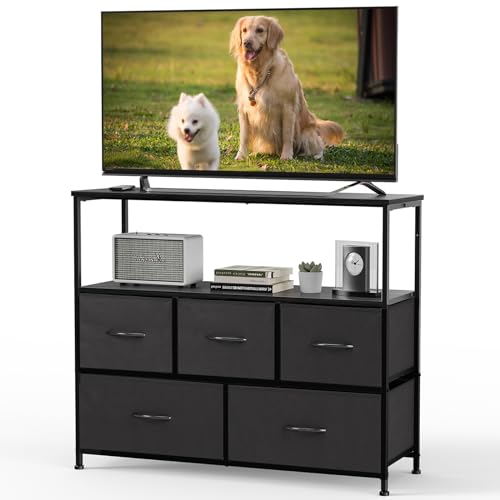
Bedrooms often have limited floor space, so wall mounting is popular. Check the VESA pattern listed by the maker, the weight of the set and the wall type before buying a bracket. Many compact TVs use a small VESA pattern such as 100 by 100 millimeters, while larger models use wider patterns. If drilling into studs is not an option, a dresser stand, wall shelf or low media console can work, but check that the TV’s feet or stand width fits the furniture. Leave a few inches behind the set for airflow and cables, and keep vents clear.
Wall-mounted installations involve power cabling and structural loads. If in doubt, ask a qualified installer, and use any in-wall power products only according to local electrical codes and a licensed electrician’s advice.
Budget Tiers and What to Expect
| Tier | What you typically get | Trade-offs |
|---|---|---|
| Budget | 24 to 43 in, 1080p or entry 4K, built-in Roku, Fire TV or Google TV, basic HDR | Weaker contrast, limited brightness, simple speakers, 60 Hz panels |
| Mid-range | 43 to 55 in, 4K QLED or mini-LED, better dimming, some 120 Hz models for gaming | Features vary widely between sizes; smaller sizes often cut dimming zones |
| Premium | 42 to 55 in OLED or high-end mini-LED, advanced processing, better audio | Higher outlay; care needed with static images on OLED |
Pick X If… Decision Table
| Pick this | If you… |
|---|---|
| A 24 to 32 in smart TV | have a small room, a child’s room or a guest room and only need streaming and the odd show |
| A 43 in entry 4K LED | want a good everyday bedroom set at a budget tier and sit about five to six feet away |
| A 50 to 55 in QLED or mini-LED | have a bright room, game on a console, or want strong brightness and color at a mid-range tier |
| A 42 to 48 in OLED | watch films in a dark room and care most about contrast and viewing angles |
| A lifestyle matte-screen TV | want the TV to blend into the decor and are willing to pay a premium tier |
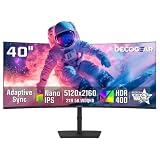
| A monitor-style or compact 4K display | need a very small footprint on a desk or nightstand |
Alternatives to a Traditional Bedroom TV
- Portable or compact projector: Models from makers such as XGIMI, Anker Nebula and Samsung’s Freestyle line project a large picture on a wall. They need a dim room, some set-up space and a good surface. Reviewers often note lower brightness than a TV in a lit room.
- Streaming stick plus a monitor: A 27-inch or 32-inch 4K monitor with a Roku, Fire TV or Chromecast-style stick is a compact alternative, though monitors rarely include a remote or strong speakers.
- Tablet or laptop on a stand: Fine for solo viewing, but weak for sharing and for audio.
Safety and Care Notes
Follow the manual for mounting weight limits, ventilation clearance and power connections. Avoid covering vents with bedding or clothes, and keep the TV away from water sources. Use the supplied power cord or an approved replacement, and avoid overloading a power strip. If a set smells hot, makes unusual noises or the plug becomes warm, unplug it and contact the maker’s support or a qualified electrician.
Frequently Asked Questions
What size TV is best for a bedroom?
Most people are happy with a 32-inch to 43-inch set in a standard bedroom. Measure the distance from the pillow to the screen: roughly five to six feet suits a 43-inch 4K model, and eight feet or more opens the door to 55 inches. When in doubt, go slightly smaller, because a very large set in a small room is tiring to watch.
Is 4K worth it on a small bedroom TV?
On a 32-inch screen the difference from 1080p is minor at normal distances. From about 43 inches, 4K gains value, and most new streaming content and consoles target it. If the budget is tight, a good 1080p panel with a quality smart platform is a fair compromise.
Is OLED a good idea in a bedroom?
It can be an excellent choice for dark rooms, since OLED offers deep blacks and wide viewing angles. It costs more, and makers suggest taking care with static images over long periods. If the bedroom is sunny, a bright QLED may serve better.
Should I wall mount a bedroom TV?
Wall mounting saves floor space and can look neat. Confirm the VESA pattern, the weight rating of the bracket and the wall structure first. A dresser or low console is a simpler option if you prefer not to drill.
Do I need a soundbar?
Not always. Small bedroom sets can sound adequate for dialogue-led shows, but action films and music tend to benefit from a compact soundbar. If noise is a concern for others in the home, a TV with headphone or Bluetooth audio support avoids the need for extra speakers.
Is it a bad idea to fall asleep with the TV on?
Many people do, and a sleep timer helps by switching the set off automatically. If screen light or noise affects your sleep, consider a timer, a lower brightness setting or removing the TV from the bedroom routine, and speak with a doctor if sleep problems persist.