Our Short List of 3

- Size: 23 x 35 inches
- Frame: Oak wood
- Surface: Natural cork
- Mounting: Wall mount, horizontal or vertical

- Size: 47.28 x 35.55 x 0.51 inches
- Frame: Aluminum
- Surface: Cork
- Shape: Rectangular

- Size: 24 x 36 x 0.2 inches
- Frame: Black wood
- Surface: Natural cork
- Includes: 16 push pins
All 4 Picks at a Glance
| Product | Specs | Action |
|---|---|---|
| 1. Quartet Cork Board Bulletin Board, 23 x 35 Inches, Oak Frame |
| Check price on Amazon |
| 2. Amazon Basics Rectangular Bulletin Board, 35 x 47 Inches, Aluminum Frame |
| Check price on Amazon |
| 3. Board2by Cork Board Bulletin Board, 24 x 36 Inches, Black Wood Frame |
| Check price on Amazon |
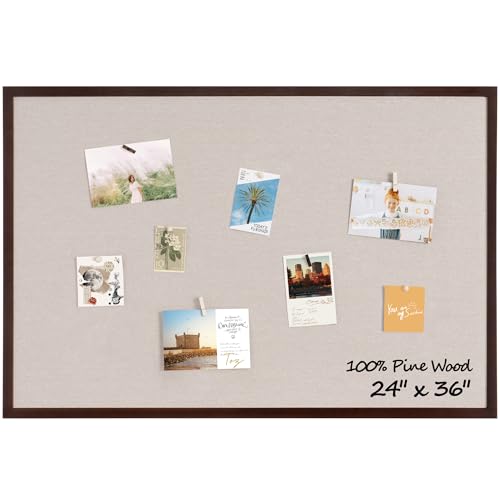 4. Fun Memories Cork Board Bulletin Board, 24 x 36 Inches, Oak Wooden Frame, White |
| Check price on Amazon |
Key takeaways
- Compare the best corkboards for home offices, classrooms, and streaming rooms, with guidance on size, frame style, cork depth, and mounting for any wall.
The best corkboards give every note, photo, reminder, and schedule a visible home without turning a wall into clutter. A good board holds pins firmly, keeps paper flat against the surface, and frames the display so the wall looks organized rather than improvised. For a streaming room, that matters even more: a corkboard beside a desk can hold a shot list, a weekly stream schedule, cable labels, and reference notes where they stay in view during a broadcast, without glowing screens or extra apps competing for attention.
The short answer is that the Quartet Cork Board Bulletin Board in the 23 x 35 inch size with an oak frame is the strongest all-around pick for most rooms, because it pairs a generous natural cork surface with a classic wood frame that suits home offices, classrooms, and living spaces alike. Readers who need the largest possible display should look at the Amazon Basics rectangular bulletin board at 35 x 47 inches, while anyone working with a small wall or a tight corner will get more from the compact frameless U Brands cork canvas tile. The five boards below cover those needs and the spaces in between, from a budget black wood framed board with push pins included to a white-accent oak board that blends into brighter rooms.
As an Amazon Associate, we earn from qualifying purchases.
Table of Contents
- What Makes a Corkboard Worth Hanging
- How to Choose the Right Size
- Frame Styles and Where They Fit
- Cork Surface, Depth, and Pin Hold
- Mounting a Corkboard So It Stays Put
- The 5 Best Corkboards
- Quartet Cork Board Bulletin Board, 23 x 35 Inches, Oak Frame
- Amazon Basics Rectangular Bulletin Board, 35 x 47 Inches, Aluminum Frame
- Board2by Cork Board Bulletin Board, 24 x 36 Inches, Black Wood Frame
- Fun Memories Cork Board Bulletin Board, 24 x 36 Inches, Oak Wooden Frame, White
- U Brands Cork Canvas Bulletin Board, 14 x 14 Inches, Frameless
- Corkboards Compared at a Glance
- Using a Corkboard in a Streaming Room
- Care and Upkeep for Natural Cork
- Frequently Asked Questions
- Conclusion
- Product and ASIN Reference
What Makes a Corkboard Worth Hanging
A corkboard earns its wall space when it does three things well: it accepts pins without a fight, it keeps pinned items in place for weeks at a time, and it looks like it belongs in the room. Natural cork has a dense, slightly springy structure that closes around a pin shaft, which is why a well-made cork surface can be pinned and repinned many times before it starts to show wear. Thin or loosely bonded cork behaves differently. Pins wobble, paper slips, and the surface can crumble around repeated holes. That difference is the single most important quality gap between a board that lasts for years and one that ends up leaning behind a door.
Frame quality is the second dividing line. A rigid frame keeps the board flat against the wall, protects the cork edges from knocks, and gives the whole piece a finished outline. Wood frames bring warmth and suit living rooms, bedrooms, and home offices with timber furniture. Aluminum frames read as cleaner and more utilitarian, which fits classrooms, studios, and modern desks. Frameless boards skip the border entirely and work best where the board itself is a small accent rather than a room feature, or where several tiles are grouped into a larger display.
Mounting hardware is the third factor, and it is the one buyers most often overlook until the board is already out of the box. A board that ships with wall fixings, hooks, or a hanging kit can go up in minutes, while a board without them sends the buyer back out for brackets and wall anchors. Weight matters here too. A large framed board is heavier than it looks, and it needs fixings matched to the wall type, whether that is drywall, plaster, or masonry. Hanging a board in a rented room adds another consideration: the mounting method should leave the wall in good shape when the board eventually comes down.
Finally, the room itself shapes the choice. A home office board mostly holds to-do lists, reference sheets, and appointment cards. A classroom board carries student work, timetables, and teaching aids that change often, so the surface needs to forgive frequent pinning. A streaming room board holds schedules, lighting notes, and shot reminders that need to stay readable at a glance from the desk. A kitchen board might hold recipes, shopping lists, and family messages. Each of those uses points toward a different size and frame, which is why this guide covers five distinct boards instead of five versions of the same one.
How to Choose the Right Size
Size is the decision that causes the most regret, in both directions. A board that is too small fills up within a week, and the overflow migrates to the desk, the fridge, or a pile beside the monitor. A board that is too large dominates a small wall and makes the room feel crowded, especially when half of its surface stays empty for months. The fix is to measure the wall before ordering, then think about what will actually live on the board.
Start with the available wall width and height, then subtract a margin of at least a few inches on every side so the board does not crowd light switches, shelves, or door frames. A board hung above a desk should be no wider than the desk itself, and it should sit at eye level when seated so notes stay readable without standing. In a hallway or kitchen, a board hung at standing eye level works better, and a portrait orientation can fit a narrow stretch of wall that a landscape board cannot use.
For a single desk or a small home office, a board around 18 x 24 inches or 23 x 35 inches covers a weekly schedule, a handful of reference sheets, and a few photos without overwhelming the wall. A shared family space or a classroom benefits from a board of 24 x 36 inches or larger, because several people pin to it and the contents change often. A dedicated planning wall, a studio, or a large office can justify a board of 35 x 47 inches or more, where whole project timelines and months of notices stay visible at once.
Orientation deserves a thought too. Most rectangular boards can hang either way, which is worth confirming in the listing before ordering. Landscape orientation suits wide desks and timelines that run left to right. Portrait orientation suits narrow walls, door-adjacent spaces, and lists that run top to bottom. A square tile, like the frameless cork canvas in this guide, suits a different approach entirely: several tiles grouped together can fill an awkward wall shape that no single rectangle fits.
Think about growth as well. A board bought for a short project may end up holding a permanent schedule, and a board bought for one person may end up shared. Choosing one size up from the minimum that fits today is often the better call, provided the wall can take it and the frame style still suits the room. The boards in this guide span 14 x 14 inches through 35 x 47 inches, so there is a sensible step for nearly every wall.
Frame Styles and Where They Fit
The frame sets the tone of the whole board, and it also protects the cork. Wood frames are the traditional choice. Oak frames, like those on two boards in this guide, bring a warm natural grain that pairs with timber desks, bookshelves, and living room furniture. A light birch or natural wood frame feels airy and suits bright rooms, while a dark wood frame adds contrast against pale walls and reads as more formal. Wood frames also hide small scuffs well, which helps in busy family rooms and classrooms where the board gets daily use.
Aluminum frames offer a different character. They are slim, rigid, and resistant to warping, which matters for larger boards that need to stay flat over years of use. A silver aluminum frame looks clean against white walls and modern office furniture, while a black aluminum frame gives a sharper outline that suits studios and streaming setups with darker equipment. Aluminum frames also tend to be lighter than solid wood frames of the same size, which can make mounting a large board a simpler job.
Frameless boards remove the border entirely. Without a frame, the cork edge is the outline, so these boards suit minimal rooms and grouped tile displays where a frame would break up the pattern. A frameless tile can sit beside a monitor, above a small desk, or in a cluster of several tiles that grow with the display. The trade-off is edge protection: a frameless board needs gentler handling during mounting, and its corners can scuff if the board is moved often.
Color coordination is worth a moment of thought. A board that clashes with the wall can draw the eye away from the notes it holds, while a board that blends in lets the pinned content do the talking. In a streaming room, the frame also appears in the background of video, so a calm frame color keeps the focus on the presenter rather than the wall. The black wood framed board in this guide suits darker setups, the white-accent oak board suits bright rooms, and the natural oak and silver aluminum options sit comfortably in between.
Cork Surface, Depth, and Pin Hold
Not all cork surfaces behave the same, and the differences show up in daily use. Natural cork is made from the bark of the cork oak, pressed into sheets that keep their springy, self-sealing character. Pins push in smoothly and the cork closes around them, which is why natural cork boards can be repinned many times. The surface has a warm, slightly varied grain that looks natural on the wall and hides small pin holes well.
Cork depth decides how securely pins sit. A thicker cork layer gives the pin shaft more material to grip, so heavy items like thick card, layered paper, or small fabric swatches stay put. A very thin cork layer over a hard backing can feel firm at first, but pins may not seat deeply enough for heavier items, and the backing can stop the pin short. The boards in this guide use cork layers suited to everyday pinning, from light notes and photos through to thicker reference cards.
Some boards add a linen or fabric covering over the cork. That changes the look and the feel: fabric-covered boards have a softer, more uniform surface and come in colors that plain cork cannot offer. They pin well, though the fabric can show pin holes more visibly over time than plain cork does. The boards in this guide use plain natural cork surfaces, which keeps the focus on durability and easy repinning.
Self-healing is a term that appears in many cork board listings, and it describes the way dense cork closes up after a pin is removed. No cork board is truly immune to wear, and a spot pinned hundreds of times will eventually show it, but dense natural cork recovers far better than loose or thin cork. Rotating pinned items across the surface, rather than always using the same corner, spreads the wear and keeps the board looking tidy for longer.
Pin choice matters as well. Standard push pins with a steel point suit most cork boards. Longer pins or map pins help with thicker stacks of paper, while flat-headed pins keep items from catching on sleeves or cables when the board hangs near a desk. Most framed boards in this guide ship with a set of push pins, so the board is usable the moment it is hung.
Mounting a Corkboard So It Stays Put
A corkboard that is mounted well disappears into the routine of the room. A board that is mounted poorly sags, tilts, or pulls away from the wall, and the contents slide with it. The first step is to find the right fixings for the wall. Drywall needs anchors rated for the board weight, plaster needs careful drilling to avoid cracking, and masonry needs plugs and screws. When the wall type is uncertain, a stud finder and a fixing rated above the board weight remove the guesswork.
Position comes next. Hold the board against the wall, or have someone else hold it, and check the height from the chair or standing position where it will be read. Mark the fixing points with a pencil, then check with a level before drilling. A board that hangs even slightly off level is noticeable every time someone looks at it, and it is much easier to fix before the holes are made than after.
Most of the boards in this guide can hang in either landscape or portrait orientation, and the mounting hardware usually allows both. Choosing the orientation before marking the wall avoids a second set of holes. For a board above a desk, landscape orientation usually fits the space better and matches the width of the desk. For a board beside a door or in a narrow hallway, portrait orientation uses the vertical space that would otherwise go to waste.
Renters should check what the lease allows before drilling. Some boards can hang from adhesive hooks rated for the board weight, though adhesive mounting suits lighter boards and smooth walls best, and it should never be trusted with a large framed board over a desk or a bed. Removable picture-hanging strips are another option for small frameless tiles, and they leave the wall clean when the tile comes down. Whatever the method, the board should be tested with a gentle pull before anything valuable is pinned to it.
The 5 Best Corkboards
1. Quartet Cork Board Bulletin Board, 23 x 35 Inches, Oak Frame
- Size: 23 x 35 inches
- Frame: Oak wood
- Surface: Natural cork
- Mounting: Wall mount, horizontal or vertical
The Quartet cork board in the 23 x 35 inch size with an oak frame is the most balanced board in this guide, and it is the pick that suits the widest range of rooms. Its size sits in the middle of the range: large enough to hold a full week of schedules, several reference sheets, and a row of photos, yet compact enough to fit above a standard desk without crowding the wall. The oak frame gives it a warm, traditional look that works in home offices, bedrooms, classrooms, and living rooms, and it pairs naturally with timber desks and shelving.
The natural cork surface is the heart of this board. Pins seat firmly and the cork closes around them, so notes stay where they are put and the surface tolerates frequent rearranging. That matters in a room where the board is a working tool rather than a decoration: a schedule that changes weekly, a set of project notes that rotates monthly, or a classroom display that turns over with each new topic. The cork has enough depth for standard push pins to grip securely, and it handles thicker items like layered card and folded reference sheets without the pins working loose.
Mounting is straightforward, and the board can hang in either landscape or portrait orientation, which makes it easy to fit around existing furniture. Hung landscape above a desk, it lines up with the width of the work surface and keeps the whole week visible at seated eye level. Hung portrait beside a door or in a narrow stretch of wall, it turns an otherwise unused strip into a useful display. The oak frame adds rigidity, so the board stays flat against the wall and the cork edges are protected from everyday knocks.
For a streaming room, this board earns its place beside the desk. It can hold a stream schedule, a list of upcoming topics, lighting notes, and reminders for regular segments, all visible without switching windows or checking a phone. The oak frame reads as calm and natural on camera, so it adds texture to the background without pulling attention away from the presenter. Because the board is a moderate size, it fits in the background of a typical streaming shot without dominating the frame.
The board suits buyers who want one board that does everything well rather than a specialist for a single job. It is large enough for family use, tidy enough for a professional office, and warm enough for a living space. The oak finish also ages gracefully: the frame keeps its tone, the cork darkens slightly with time, and the board looks settled rather than worn. For anyone buying a first corkboard, or replacing a tired board that never quite fit, this is the size and style to start with.
2. Amazon Basics Rectangular Bulletin Board, 35 x 47 Inches, Aluminum Frame
- Size: 47.28 x 35.55 x 0.51 inches
- Frame: Aluminum
- Surface: Cork
- Shape: Rectangular
The Amazon Basics rectangular bulletin board is the largest board in this guide, and it is the right choice when one board has to serve a whole room. At 35 x 47 inches, it offers a display area that smaller boards cannot match: full project timelines, months of notices, large calendars, and whole sets of student work can stay visible at once. For a shared office, a classroom, a studio, or a family command center, that scale changes how the board is used, because nothing needs to be taken down to make room for the next item.
The aluminum frame is a practical match for the size. It keeps the large panel rigid and flat, resists warping, and adds less weight than a solid wood frame of the same dimensions would. The frame has a clean, utilitarian outline that suits modern offices and classrooms, and it frames the cork surface without competing with the contents. The board is rectangular, so it can anchor a wall on its own, or sit above a long desk or workbench where its width matches the furniture beneath it.
The cork surface covers the full panel, and its generous area means pinned items can be grouped with space between them. A project wall can hold separate zones for schedules, reference material, and inspiration without the groups crowding each other. A classroom board can display work from several students side by side. A family board can carry a calendar, a menu plan, permission slips, and reminders in distinct areas that each person can find at a glance. That zoning is what separates a large board from a small board used beyond its limits.
Mounting a board of this size deserves care. It is heavier than the smaller boards in this guide, and it needs wall fixings matched to both the board weight and the wall type. Measuring the wall first is essential: a board of 35 x 47 inches needs a clear stretch of wall with margin on every side, and it should sit where it can be read from the normal working position in the room. Once mounted, though, it becomes a fixture of the room rather than an accessory, and it rewards the effort with years of use.
This board suits buyers who already know they need space. If a smaller board is already full, or if several people share one display, stepping up to this size solves the problem at its root. It also suits rooms where the board is the main organizational tool rather than one of several, such as a studio planning wall or a classroom display board. The aluminum frame and large cork surface make it a durable, long-term addition to any busy wall.
3. Board2by Cork Board Bulletin Board, 24 x 36 Inches, Black Wood Frame
- Size: 24 x 36 x 0.2 inches
- Frame: Black wood
- Surface: Natural cork
- Includes: 16 push pins
The Board2by cork board in the 24 x 36 inch size with a black wood frame is the most straightforward value pick in this guide. Its size is the classic bulletin board format: wide enough for a full schedule and several notices, tall enough for layered displays, and a natural fit above a desk or in a hallway. The black wood frame gives it a defined outline that stands out against light walls and blends into darker rooms, which makes it a good match for streaming setups and modern offices with dark equipment.
The natural cork surface takes pins easily and holds them firmly, and the board ships with 16 push pins included, so it is ready to use as soon as it is hung. That small detail matters for a first board: there is no extra trip for supplies, and the board can hold a full display on day one. The cork layer suits everyday pinning, from single sheets and photos through to thicker cards and folded notes, and the surface tolerates rearranging without showing wear quickly.
At 24 x 36 inches, this board hits the size that most buyers actually need. It holds a weekly plan, a set of reminders, and a few personal items without demanding a large empty wall. Above a desk, it lines up well with the work surface and keeps the contents at eye level. In a kitchen, it can carry a menu plan, shopping lists, and family messages. In a bedroom, it can hold photos, tickets, and reminders in a display that feels personal rather than office-like.
The black wood frame is both a style choice and a practical one. It protects the cork edges, keeps the board rigid, and hides small scuffs that would show on a lighter frame. Against a white or pale wall, the dark outline frames the contents crisply. In a streaming room, the black frame echoes the look of monitors, microphone arms, and lighting stands, so the board sits naturally in the background of a shot rather than standing out as an odd piece.
This board suits buyers who want a capable, good-looking board without paying for extra size or premium framing. It covers the standard bulletin board job completely: schedules, notes, photos, and reminders, all visible, all easy to rearrange. For a home office, a student room, or a streaming desk that needs a reliable pin board, it is a solid and sensible choice.
4. Fun Memories Cork Board Bulletin Board, 24 x 36 Inches, Oak Wooden Frame, White
- Size: 24 x 36 x 0.2 inches
- Frame: Oak wood with white accent
- Surface: Cork
- Material: Cork and oak
The Fun Memories cork board pairs the classic 24 x 36 inch format with an oak wooden frame finished with a white accent, and that combination makes it the best fit for bright rooms where a dark frame would feel heavy. The white accent lightens the outline of the board, so it sits comfortably on pale walls, in white-painted home offices, and in bedrooms where the furniture runs light. The oak underneath keeps the frame warm, so the board never looks stark or clinical.
The cork surface is a full natural cork panel, sized to hold a working display. A 24 x 36 inch board covers a weekly schedule, a set of reference sheets, and a row of photos with room to spare, and the surface takes standard push pins cleanly. The board suits rooms where the display changes often, because the cork tolerates repeated pinning and the surface keeps its grip over time. Photos, postcards, and keepsakes pin securely, and thicker items like folded cards and layered notes stay in place.
This board is a natural choice for a living room or a bedroom that needs an organizer without looking like an office. It can hold a family calendar, invitations, photos, and reminders in a display that feels like part of the room rather than an add-on. In a home office with light walls and pale furniture, it blends in while keeping the work visible. In a classroom or a studio with bright decor, the white accent keeps the board from dominating the wall.
Mounting follows the standard pattern for a framed board of this size: wall fixings matched to the wall type, a level check before drilling, and a position at eye level from the place where the board will be read. The board can hang in landscape orientation above a desk or in portrait orientation on a narrower wall, and the oak frame keeps the panel rigid once it is up. Because the frame is light in tone, small marks and dust show less readily than on a dark frame, which helps the board look tidy between cleanings.
Buyers who care about how the board looks in the room, as much as how it works, will appreciate this pick. It does the same job as the other 24 x 36 inch boards in this guide, but its lighter frame suits a different set of rooms. For bright spaces, white furniture, and walls that already carry light decor, it is the most harmonious choice of the five.
5. U Brands Cork Canvas Bulletin Board, 14 x 14 Inches, Frameless
The U Brands cork canvas bulletin board is the smallest board in this guide, and it solves a problem the larger boards cannot: what to do with a small wall, a narrow gap, or a desk that has no room for a full board. At 14 x 14 inches, this frameless cork tile fits beside a monitor, above a small desk, in a hallway nook, or on a dorm room wall. It holds the handful of items that need to stay visible, without asking for a large stretch of empty wall.
The frameless design is the key to its flexibility. Without a frame, the tile has a clean, minimal outline that suits modern rooms, and several tiles can be grouped together into a larger display that follows the shape of the wall. A pair of tiles can flank a monitor. A row of tiles can run along a narrow wall. A grid of four tiles can fill a square space that no single rectangle fits. That modular quality makes the tile useful in rented rooms too, where a small, light board is easier to mount and remove than a large framed panel.
The natural cork surface is the same material used on the larger boards, so pins seat firmly and the surface tolerates rearranging. The tile suits light items best: notes, photos, tickets, small cards, and reminders. It is not a board for heavy displays or thick stacks, but for the daily handful of items that otherwise end up on the desk or in a drawer, it is exactly the right size. The cork canvas form keeps the tile light, which also makes mounting simpler.
For a streaming room, this tile works as a secondary board. The main board can hold the schedule and the shot list, while a small tile beside the monitor holds the notes for the current session: talking points, a reminder to check audio, or a list of names to mention. Because it is small, it can sit within easy reach without crowding the desk, and it can move when the setup changes. For a student desk, a craft corner, or a kitchen nook, the same logic applies: the tile holds what is needed right now, within arm’s reach.
This board suits buyers who need a little display space rather than a lot, or who want to build a display from several small pieces. It also suits anyone who wants to try a corkboard before committing to a large framed panel. As a first board, a gift, or an addition to a room that already has a main board, the frameless cork tile is a practical and flexible choice.
Specs
- Size: 14 x 14 inches
- Frame: Frameless
- Surface: Natural cork
- Form: Cork canvas tile
- Mounting: Wall mount
- Use: Small desk, dorm room, hallway nook, secondary streaming board
- Tier: Budget
Corkboards Compared at a Glance
The five boards in this guide cover the full range of sizes and styles, and the right choice depends on the wall and the job. The Quartet board at 23 x 35 inches with an oak frame is the all-around pick: a middle size, a warm frame, and a natural cork surface that suits nearly any room. It is the board to choose when the decision is between several good options and one board has to cover home, office, and streaming use.
The Amazon Basics board at 35 x 47 inches is the scale pick. It suits shared spaces, classrooms, and studios where several people pin to one board and the contents need room to breathe. Its aluminum frame keeps the large panel rigid, and its size means nothing needs to come down to make room for the next item. It needs the most wall space and the most careful mounting, but it repays that with the largest usable display in this guide.
The Board2by board at 24 x 36 inches with a black wood frame is the value pick. It covers the classic bulletin board size, ships with push pins included, and its dark frame suits modern offices and streaming rooms. It is the board to choose when the budget matters and the job is the standard one: schedules, notes, and photos, all visible and easy to rearrange.
The Fun Memories board, also 24 x 36 inches, is the bright-room pick. Its oak frame with a white accent suits pale walls and light furniture, and it brings the same capable cork surface to rooms where a dark frame would feel out of place. It is the board to choose when the room is bright and the board needs to blend in.
The U Brands tile at 14 x 14 inches is the small-space pick. Frameless and light, it fits where no framed board can, and several tiles can combine into a custom display. It is the board to choose for a small desk, a dorm room, a hallway nook, or as a secondary board beside a streaming monitor.
A simple way to decide is to measure the wall, count the people who will use the board, and look at the room. One person and a small wall point to the U Brands tile or the Quartet board. A shared wall points to the Board2by or Fun Memories board. A whole room that lives on its board points to the Amazon Basics panel. Any of the five will hold pins well and look tidy; the size and frame decide which one fits the space.
Using a Corkboard in a Streaming Room
A streaming room is a working space, and a corkboard fits it in ways a screen cannot. A schedule pinned beside the desk stays visible during a broadcast without a window switch. A shot list, a list of upcoming topics, and reminders for regular segments can sit where the presenter sees them with a glance, which keeps the flow smooth and avoids awkward pauses. Cable labels, lighting notes, and camera settings can live on the same board, so the setup can be rebuilt quickly after a move or a change.
Placement matters more in a streaming room than in most rooms, because the board may appear on camera. A board hung behind the presenter becomes part of the background, so a calm frame and a tidy display help the shot. A board hung beside the desk, out of the camera frame, can hold messier working notes without affecting the video. Either way, the board should sit where the presenter can read it without turning far from the microphone, and where pinned paper will not flutter into the shot from a fan or an open window.
Lighting is worth a thought too. A board hung opposite a bright window can catch glare that makes paper hard to read, while a board in soft, even light stays readable all day. In a room with streaming lights, a board hung to the side of the key light avoids harsh shadows across the pinned notes. These are small details, but they decide whether the board is used every day or ignored after the first week.
The boards in this guide each fit a streaming room differently. The Quartet board suits a background wall where a warm frame adds texture. The Board2by board suits a desk-adjacent wall in a darker setup. The Amazon Basics panel suits a studio where the whole production schedule lives on one wall. The U Brands tile suits a spot beside the monitor for session notes. Choosing the board that matches the room layout, rather than the largest board available, keeps the streaming space organized without cluttering the shot.
Care and Upkeep for Natural Cork
Natural cork is a forgiving material, and a little care keeps a board looking good for years. Dust the surface regularly with a dry cloth or a soft brush, working from the top down so dust does not settle into the lower rows of pins. For marks on the cork, a gentle rub with a clean pencil eraser can lift light smudges without damaging the surface. Avoid soaking the board or using harsh cleaners, because excess moisture can soften the cork and loosen its bond to the backing.
Pin holes are a normal part of a working board, and dense cork closes around them well. Rotating pinned items across the surface spreads the wear, so no single spot gets pinned hundreds of times while the rest of the board stays untouched. When a section starts to look tired, moving the display to a fresher area of the board gives the worn spot time to recover its shape. Over time, the cork will darken slightly, which is normal and gives the board a settled, lived-in look.
Frames need their own care. Wood frames benefit from an occasional wipe with a dry cloth, and a damp cloth for stubborn marks, followed by drying so moisture does not sit on the wood. Aluminum frames wipe clean easily and resist most marks, though a soft cloth avoids scratching the finish. Frameless tiles need gentle handling at the edges, especially during mounting and removal, because the cork edge is the outline.
Check the mounting once or twice a year, especially for larger boards. A gentle pull on the frame shows whether the fixings are still firm, and tightening or replacing a loose fixing early avoids a board coming down later. In humid rooms, check the board backing as well, because prolonged damp can affect the bond between the cork and its support. A board that is kept dry, dusted, and firmly mounted will serve a room for many years.
Frequently Asked Questions
What size corkboard should I buy for a home office?
A board around 23 x 35 inches or 24 x 36 inches suits most home offices, because it holds a weekly schedule, several reference sheets, and a few photos without overwhelming the wall above a desk. Measure the wall first, keep a margin of a few inches on every side, and choose a board no wider than the desk it hangs above.
Can a corkboard hang in portrait orientation as well as landscape?
Most rectangular corkboards can hang either way, and the mounting hardware usually allows both orientations. Landscape suits wide desks and timelines that run left to right, while portrait suits narrow walls and lists that run top to bottom. Confirm the orientation options in the listing before ordering, and choose the orientation before marking the wall.
How do I keep pins from falling out of a corkboard?
Use standard push pins with a steel point, push them straight into the cork, and avoid pinning heavy stacks of paper with a single pin. A thicker cork layer grips pins more securely, and spreading pinned items across the surface avoids wearing out one spot. If a pin feels loose, move it to a fresher area of the board.
Are frameless cork tiles as useful as a framed corkboard?
Frameless tiles suit small walls and grouped displays, and several tiles can combine into a custom layout that no single rectangle fits. They hold light items like notes and photos well, and they are easy to mount and move. A framed board is the better choice for a large display, a shared wall, or a room where the board needs edge protection from daily use.
Conclusion
The best corkboard is the one that fits the wall, holds pins firmly, and keeps the contents of a busy life visible without adding clutter. For most rooms, the Quartet cork board at 23 x 35 inches with an oak frame is the strongest all-around choice, pairing a generous natural cork surface with a frame that suits home offices, classrooms, and living spaces. Readers who need the largest display should choose the Amazon Basics rectangular board at 35 x 47 inches, while the Board2by board at 24 x 36 inches with a black wood frame covers the classic bulletin board job at a budget tier, with push pins included. The Fun Memories board brings the same 24 x 36 inch format to bright rooms with its white-accent oak frame, and the U Brands frameless tile at 14 x 14 inches fits small walls and secondary spots beside a streaming monitor.
Measure the wall, think about who will use the board and what will live on it, and choose the size and frame that match the room. A board that is mounted well, kept dry, and pinned with care will organize a home office, a classroom, or a streaming room for years, keeping schedules, notes, and reminders exactly where they can be seen.
Product and ASIN Reference
| Product | ASIN |
|---|---|
| Quartet Cork Board Bulletin Board, 23 x 35 Inches, Oak Frame | B000AMKKBC |
| Amazon Basics Rectangular Bulletin Board, 35 x 47 Inches, Aluminum Frame | B085PGZ77F |
| Board2by Cork Board Bulletin Board, 24 x 36 Inches, Black Wood Frame | B0C6QJ811P |
| Fun Memories Cork Board Bulletin Board, 24 x 36 Inches, Oak Wooden Frame, White | B0CZ3YHSJJ |
| U Brands Cork Canvas Bulletin Board, 14 x 14 Inches, Frameless | B01M0O2CJX |
More from Amazon
Programs that pair well with the guide above. Offers and eligibility are set by Amazon and may change.
Free shipping on eligible items, Prime Video and more. Eligible new members can start with a free trial.
Start a Prime free trialAd-free music streaming. Eligible new subscribers can start with a free trial.
Try Music Unlimited freeA Prime membership for ages 18-24 with a trial period. Eligibility is set by Amazon.
See Prime for Young AdultsAudiobooks and podcasts to listen to on the go. Eligible new members can start with a free trial.
Try Audible freeAs an Amazon Associate we earn from qualifying purchases.