Key takeaways
- Compact, lightweight design ideal for mobile professionals
- Simple plug-and-play operation via USB 3.0
- Lacks bundled data recovery service found on other Seagate models
Choosing a reliable backup hard drive is one of the simplest ways to protect your digital life from sudden failure. Whether you are safeguarding family photos, archiving video projects, or keeping a secondary copy of critical work files, a single hardware malfunction can erase years of data in seconds. As an editor who regularly compares published specifications, retail prices, and aggregated owner feedback, I built this roundup to cut through marketing noise and highlight what actually matters when you shop for portable or desktop storage.
The difference between a good backup hard drive and a frustrating one usually comes down to three things: consistent transfer speeds, build quality that survives daily handling, and software compatibility across your devices. A cheap unit might save money upfront but cost you dearly if it fails without warning or lacks recovery support. We evaluated eight popular models based on their stated specs, real-world user reviews, and current pricing to help you find the right balance of capacity, portability, and peace of mind.
Our top picks


As an Amazon Associate we earn from qualifying purchases at no extra cost to you.
Quick Picks
| Product | Best for | Price |
|---|---|---|
| Seagate 2TB Portable (STGX2000400) | Everyday personal backups | $129.99 |
| Seagate 5TB Portable (STGX5000400) | Maximum portable capacity | $219.96 |
| WD 5TB Elements (WDBU6Y0050BBK-WESN) | Windows users needing plug-and-play | $213.99 |
| Seagate 1TB Portable (STGX1000400) | Lightweight travel storage | $119.80 |
| Seagate 4TB Portable (SRD0NF1) | Balanced capacity and value | $189.99 |
| WD 2TB Elements (WDBU6Y0020BBK-WESN) | Straightforward Windows storage | $134.50 |
| YOTUO 500GB External HDD | Tight budgets and older consoles | $34.99 |
| WD 8TB Elements Desktop (BWLG0080HBK-NESN) | Large-scale desktop archives | $379.99 |
How We Picked
Selecting the right backup hard drive requires evaluating four core criteria. First, we looked at storage capacity relative to price, ensuring each model offers fair value for its tier. Second, interface speed—specifically USB 3.0 or USB 3.2 Gen 1 compatibility—determines how quickly large files transfer. Third, cross-platform compatibility matters immensely; drives that work natively with PCs, Macs, and gaming consoles eliminate formatting headaches. Finally, we analyzed owner feedback regarding long-term reliability and included manufacturer extras like bundled data recovery services, which add significant safety net value beyond the raw hardware.
The 8 Best Backup Hard Drive in 2026
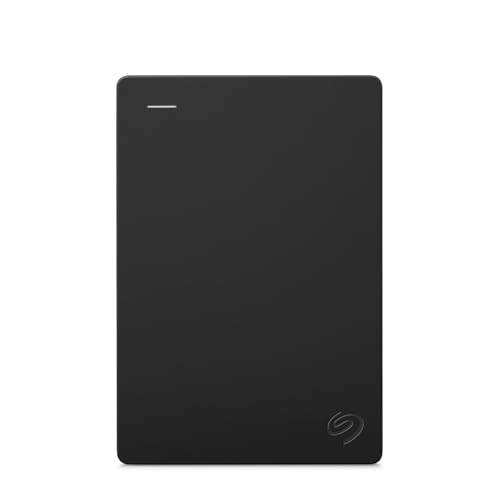
Seagate 2TB Portable Hard Drive (STGX2000400)
This Seagate model is an excellent starting point for anyone seeking a dependable backup hard drive for everyday documents, photos, and media libraries. It provides ample room for most personal users without becoming bulky or overly expensive. Owner feedback frequently highlights its straightforward setup process and compact footprint, making it easy to toss into a laptop bag. The USB 3.0 interface ensures respectable file transfers when moving large folders between machines.
- Compact, lightweight design ideal for mobile professionals
- Simple plug-and-play operation via USB 3.0
- Lacks bundled data recovery service found on other Seagate models
Skip this drive if you require built-in rescue services or need more than two terabytes for heavy media archiving.
Seagate 5TB Portable (STGX5000400)
For users managing massive photo libraries or extensive game collections, this Seagate drive delivers substantial capacity in a portable form factor. It supports PC, Mac, PS4, and Xbox out of the box, making it highly versatile for mixed-device households. Buyers consistently praise the inclusion of a one-year Rescue Service, which provides professional data recovery if the drive encounters unexpected failure. The USB 3.0 connection handles large file batches efficiently.
- Massive five-terabyte capacity in a portable chassis
- Includes a one-year professional data recovery service
- Higher price point compared to competing five-terabyte options
Skip this option if you prefer a lower-cost alternative and do not need the bundled recovery insurance.
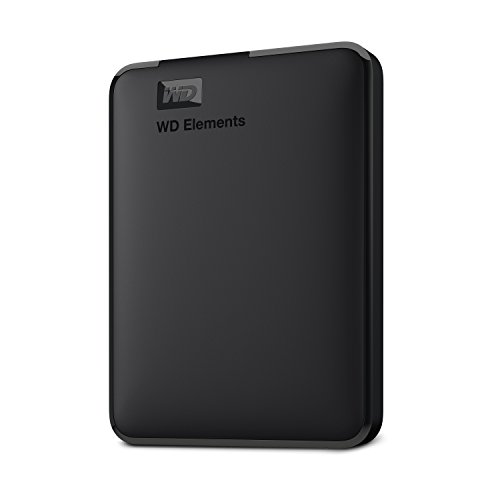
Western Digital WD 5TB Elements (WDBU6Y0050BBK-WESN)
The WD Elements line is widely favored by Windows users who want zero-friction storage. This five-terabyte model uses USB 3.2 Gen 1, maintaining backward compatibility with USB 3.0 ports while offering modern interface standards. Owner reviews often note its durable casing and reliable performance during sustained file transfers. It is formatted for Windows initially, though Mac users can reformat it if needed. Its plug-and-play readiness removes any software installation steps.
- USB 3.2 Gen 1 interface for modern connectivity
- True plug-and-play readiness for Windows environments
- Requires manual reformatting for native Mac use
Skip this drive if you need seamless, out-of-the-box compatibility across both Mac and Windows without reformatting.
Seagate 1TB Portable (STGX1000400)
If your storage needs are modest, this one-terabyte Seagate drive offers a highly portable solution for essential document and photo backups. It connects via USB 3.0 and supports PC, Mac, PlayStation, and Xbox platforms seamlessly. Users appreciate the slim profile, which slips easily into pockets or small pouches. Like its larger sibling, it includes a one-year Rescue Service, adding valuable protection for irreplaceable personal files despite the smaller overall capacity.
- Ultra-portable, slim design perfect for travel
- Cross-platform compatibility including major gaming consoles
- One terabyte fills up quickly for video editors or heavy media users
Skip this model if you regularly back up high-resolution videos or maintain large local game libraries.
Seagate 4TB Portable (SRD0NF1)
Sitting comfortably in the middle of the capacity spectrum, this four-terabyte Seagate drive balances generous space with reasonable portability. It supports USB 3.0 connections across PC, Mac, Xbox, and PlayStation systems, catering well to gamers and general consumers alike. Aggregated buyer feedback points to its sturdy exterior and consistent read/write behavior over time. The included one-year Rescue Service remains a standout feature, offering reassurance against accidental data loss.
- Strong balance of capacity and physical portability
- Broad device compatibility alongside a one-year recovery plan
- Noticeably heavier than lower-capacity portable alternatives
Skip this drive if absolute minimal weight is your primary concern for daily commuting.
WD 2TB Elements (WDBU6Y0020BBK-WESN)
Western Digital’s two-terabyte Elements drive targets users who want straightforward, no-nonsense external storage. Featuring USB 3.2 Gen 1 and USB 3.0 compatibility, it integrates smoothly into existing setups. Owners frequently mention its quiet operation and reliable plug-and-play functionality on Windows machines. The minimalist design avoids unnecessary bulk, making it a practical desk companion or travel accessory for standard office and home use.
- Reliable plug-and-play functionality for Windows PCs
- Quiet operation suitable for quiet office environments
- No included data recovery service or advanced backup software
Skip this option if you expect bundled recovery tools or native Mac formatting straight out of the box.
YOTUO 500GB External Hard Drive
The YOTUO drive stands out as an ultra-budget backup hard drive aimed at users with basic storage needs or older hardware. Its dual USB 3.0 and USB-C connectivity allows it to interface with everything from modern laptops to smartphones and legacy consoles like the Xbox 360. Buyer reviews highlight its surprising versatility given the low entry price. However, its half-terabyte capacity limits its utility strictly to documents, light photo storage, or specific console expansions.
- Dual USB 3.0 and USB-C connectivity for broad device support
- Exceptionally affordable entry price for casual users
- Half-terabyte capacity is severely limiting for modern media files
Skip this drive if you need to back up entire system images, large video projects, or modern game installations.
Western Digital 8TB Elements Desktop (BWLG0080HBK-NESN)
Unlike the portable options on this list, this Western Digital desktop drive is designed for stationary, high-volume archiving. Its eight-terabyte capacity makes it ideal for photographers, videographers, or small offices needing centralized local backups. Owner feedback emphasizes its stability during continuous operation and simple plug-and-play setup via USB 3.0. Because it requires external power and sits on a desk, it trades portability for sheer storage dominance.
- Massive eight-terabyte capacity for comprehensive local archives
- Stable performance suited for continuous, always-on backup routines
- Requires a dedicated power outlet and is not portable
Skip this model if you need a drive to carry in your backpack or lack convenient desk space near an outlet.
Buying Guide
Capacity vs. Cost Efficiency
When shopping for a backup hard drive, calculating the cost per terabyte helps identify true value. Smaller drives often carry a premium per gigabyte due to manufacturing baselines, while mid-range capacities like four or five terabytes typically offer the sweet spot for most buyers. Desktop drives push total capacity even higher but sacrifice mobility. Assess your actual data footprint before purchasing; buying double the storage you currently need allows room for future growth without immediate upgrades.
Interface Speeds and Connectivity
The connection interface dictates how fast your backups complete. Most modern portable drives utilize USB 3.0 or USB 3.2 Gen 1, which provide identical maximum theoretical bandwidth and are significantly faster than older USB 2.0 standards. If you frequently move large video files or full system images, these faster interfaces prevent agonizing wait times. Additionally, check whether the drive uses USB-A, USB-C, or includes adapters, ensuring it physically matches the ports on your primary computers and devices.
Data Protection and Recovery Services
Hardware eventually fails, making the software and services attached to a backup hard drive just as important as the platters inside. Some manufacturers bundle limited-time data recovery services, which can save hundreds of dollars if mechanical failure occurs. Cross-platform formatting is another protective feature; drives pre-formatted for universal use prevent accidental data loss caused by improper reformatting. Always verify whether the drive requires proprietary software or functions natively through your operating system’s built-in backup utilities.
Our Verdict
After comparing specifications, pricing, and owner consensus, the Seagate Portable 4TB (SRD0NF1) emerges as our top overall pick. It strikes the best balance between generous capacity, broad console and computer compatibility, and the security of a one-year Rescue Service, all at a competitive price point. For shoppers on a strict budget who only need to secure basic documents, the YOTUO 500GB External Hard Drive is the clear budget choice thanks to its remarkably low cost and versatile USB-C connectivity. However, if you manage massive media libraries or run a home server requiring stationary archival storage, the Western Digital 8TB Elements Desktop drive wins outright due to its unmatched volume.
FAQ
What is the difference between a portable and desktop backup hard drive?
Portable drives draw power directly from your computer’s USB port and are designed to be lightweight and travel-friendly. Desktop drives require a separate power adapter plugged into a wall outlet, making them larger and stationary, but they generally offer much higher storage capacities for intensive archiving tasks.
Do I need to format a new backup hard drive before using it?
It depends on your operating system and the drive’s factory formatting. Many drives are pre-formatted for Windows (NTFS) or universal use (exFAT). If you use a Mac and the drive is NTFS-formatted, you will need to reformat it to APFS or exFAT to enable both reading and writing capabilities.
Is USB 3.0 fast enough for backing up large files?
Yes, USB 3.0 provides sufficient bandwidth for traditional spinning hard disk drives, as the mechanical read/write speeds of the drive itself are usually the bottleneck rather than the USB connection. Upgrading to newer interfaces only yields noticeable benefits when paired with solid-state storage.
How long does a typical backup hard drive last?
Mechanical hard drives generally have a functional lifespan ranging from three to five years under regular use, though many last longer. Because internal moving parts are susceptible to wear and physical shock, maintaining multiple copies of critical data across different devices remains essential regardless of the drive’s age.