Key takeaways
- Measure the shelf: Many centers are wide and deep. Confirm that your media stand or TV console can hold the speaker and its weight, and that the TV does not block the front of the cabinet.
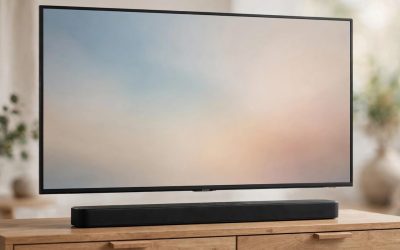
- Above or below the screen: Ideally the center sits close to the screen at ear level. If you must place it below the TV, angle it toward the seating area using the maker’s feet or a stand.
- In-cabinet placement: Placing a speaker inside a closed cabinet can muddy the sound. Many makers advise leaving the front of the cabinet open and allowing space behind.
- Receiver power: Check the speaker’s recommended amplifier power and impedance against your receiver’s rating. Do not run speaker wire where it can be pinched, and follow the electrical safety guidance for your receiver.
- Calibration: Use the receiver’s microphone setup to set speaker size, distance, and level. A small level boost on the center can help dialog if the room is noisy.
For most home theater buyers, a dedicated center channel from the same family as the front left and right speakers, such as the Klipsch R-30C, Polk Audio Signature Elite ES35, or ELAC Debut 2.0 C6.2, is the best fit, while those chasing clearer dialog in a larger room should look at the SVS Prime Center or a step-up model from Q Acoustics or KEF. The center channel carries most movie dialog, so it matters more than its size suggests.
Our top picks


As an Amazon Associate we earn from qualifying purchases at no extra cost to you.
At a Glance: Center Channel Speakers Compared
| Model | Best for | Key stated traits (per maker) | Limits |
|---|---|---|---|
| Klipsch R-30C | Budget-tier systems wanting lively, efficient sound | Horn-loaded tweeter design, compact cabinet | Horn tweeter can sound bright to some listeners |
| Polk Audio Signature Elite ES35 | Mid-range systems with Dolby Atmos or DTS:X | Maker highlights dialog clarity and Hi-Res certification | Matches best with other Signature Elite speakers |
| ELAC Debut 2.0 C6.2 | Balanced, neutral sound at a budget-to-mid tier | Dual woofers with an in-house tweeter and woofer design | Wide cabinet needs shelf space |
| SVS Prime Center | Larger rooms and listeners prioritizing dialog | Maker lists a dedicated center design with a compact, tuned enclosure | Costs more than entry-level options |
| Q Acoustics 3090Ci | Design-conscious buyers wanting a refined look | Maker lists a sealed, braced cabinet | Finishes and fit vary by region |
| KEF Q6 Meta C | Premium-tier systems with a matched KEF set | Maker lists a coaxial driver and metamaterial absorber | Premium tier; best used with the same series |
Why the Center Channel Matters
In a typical 5.1 or 7.1 home theater system, the center speaker handles most of the spoken dialog and on-screen sound effects. If it is weak or poorly matched, voices can sound hollow, recessed, or detached from the screen. A good center channel keeps speech clear when the surround and subwoofer channels are busy, which is useful for late-night viewing at lower volumes.
Match the Front Speakers if You Can
Home theater makers and reviewers commonly advise choosing a center channel from the same series as the front left and right speakers. Using the same drivers and tuning helps sounds pan smoothly across the front of the room. When that is not possible, pick a center with a similar tonal character, and use your receiver’s setup tools to balance levels and distances.
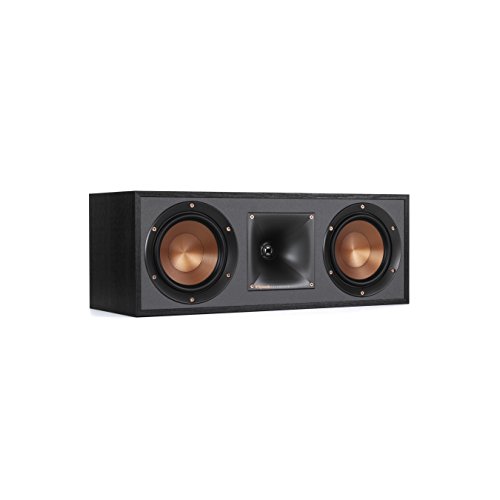
Klipsch R-30C: Efficient and Energetic
Klipsch speakers are known for horn-loaded tweeters, which are designed to deliver high efficiency and dynamic sound. The R-30C is a compact entry in the maker’s Reference range. Reviewers often describe the sound as lively and clear, which suits dialog and action movies. Some listeners find the top end bright, so a room with hard surfaces may call for a softer setup or room treatment.
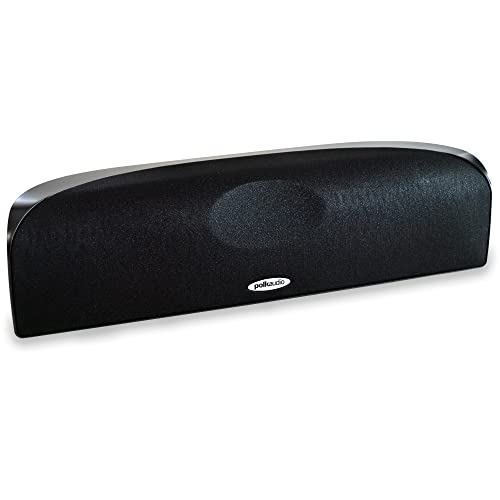
Polk Audio Signature Elite ES35
The ES35 belongs to Polk’s Signature Elite line, which the maker presents as a step up in build and sound. Polk highlights a focus on dialog clarity, and the line supports Dolby Atmos and DTS:X systems when paired with the right speakers. It works well in mid-range setups where you want a polished look and a natural voice presentation. As with any center, it performs best when it matches its neighbors.
ELAC Debut 2.0 C6.2
ELAC Debut 2.0 speakers were designed by Andrew Jones, a respected speaker designer, and the range has a reputation among reviewers for balanced tuning at a friendly budget tier. The C6.2 uses two woofers and a tweeter, which can give a wide, stable image. It is a sound choice for a smaller to mid-sized room. Its horizontal layout means it needs a stable shelf or stand that can hold its width.
SVS Prime Center
SVS is mostly known for subwoofers but also makes a lineup of speakers. The Prime Center is the company’s dedicated center design, and the maker lists it as part of the Prime family so it can pair with the Prime towers and bookshelf models. Reviewers generally describe it as clear and neutral, which makes it a good match for buyers who sit further from the screen or have a large room.
Q Acoustics 3090Ci and KEF Q6 Meta C
The Q Acoustics 3090Ci is part of a range known for tidy cabinets and a more refined visual design. The maker lists a braced cabinet for reduced resonance, which can help dialog sound clean. The KEF Q6 Meta C is from KEF’s Q series and uses the company’s coaxial Uni-Q driver, which the maker describes as helping sound spread more evenly across the listening area. It sits at a premium tier and is best used with other KEF speakers.
Fit, Size, and Placement Notes
- Measure the shelf: Many centers are wide and deep. Confirm that your media stand or TV console can hold the speaker and its weight, and that the TV does not block the front of the cabinet.
- Above or below the screen: Ideally the center sits close to the screen at ear level. If you must place it below the TV, angle it toward the seating area using the maker’s feet or a stand.
- In-cabinet placement: Placing a speaker inside a closed cabinet can muddy the sound. Many makers advise leaving the front of the cabinet open and allowing space behind.
- Receiver power: Check the speaker’s recommended amplifier power and impedance against your receiver’s rating. Do not run speaker wire where it can be pinched, and follow the electrical safety guidance for your receiver.
- Calibration: Use the receiver’s microphone setup to set speaker size, distance, and level. A small level boost on the center can help dialog if the room is noisy.
Budget Tiers
- Budget: Klipsch R-30C and ELAC Debut 2.0 C6.2 for a respectable step up from a TV or soundbar.
- Mid-range: Polk Audio ES35 and SVS Prime Center for better clarity and finishing.
- Premium: KEF Q6 Meta C and higher-end Q Acoustics models for matched, high-quality systems.
Pick X If… (Decision Table)
| Pick this | If you… |
|---|---|
| Klipsch R-30C | want energetic, efficient sound at a lower tier and a modest receiver |
| Polk ES35 | want a polished design and strong dialog with an Atmos-ready system |
| ELAC Debut C6.2 | prefer a balanced, neutral sound for a small to mid-sized room |
| SVS Prime Center | sit far from the screen or need clear dialog in a large room |
| Q Acoustics 3090Ci | value cabinet quality and visual design |
| KEF Q6 Meta C | already own, or plan to buy, KEF front speakers |
Alternatives Worth Considering
- Soundbar with a dedicated center driver: Simple setup for apartments, though less flexible than a separate-speaker system.
- Bookshelf speaker used as a center: Some buyers turn a bookshelf speaker on its side. This can work if it matches the front pair, but a purpose-built center usually handles dialog better.
- Phantom center: With a high-quality stereo pair and a close seating position, some listeners skip the center altogether. Many receivers can mix dialog to the front pair, but off-axis seats may lose clarity.
Frequently Asked Questions
Does the center channel need to match my front speakers?
It is not required, but matching helps sounds move smoothly across the screen. If you cannot match the series, choose a center with similar drivers and tonal balance.
Should the center channel be larger than the other speakers?
Not necessarily. Many reviewers advise choosing a center that is at least comparable to the front pair, because it carries most of the dialog.
Can I put the center speaker inside a cabinet?
You can, but it may sound boomy or muffled. If you do, keep the front of the speaker flush with or beyond the cabinet opening, and follow the maker’s placement advice.
What size center do I need for a small room?
A compact center with one or two small woofers is usually enough. Large centers shine in bigger rooms with more distance to the screen.
Do I need a center speaker for Dolby Atmos?
Atmos setups usually still use a center channel for dialog, along with height speakers or up-firing modules. Check the layout your receiver supports and follow its setup guide.
How do I improve dialog clarity without buying new speakers?
Raise the center level a few steps in the receiver menu, use a dialog enhancement mode if your receiver has one, and aim the speaker at ear level. Reduce echo with rugs and curtains.
More from Amazon
Programs that pair well with the guide above. Offers and eligibility are set by Amazon and may change.
Free shipping on eligible items, Prime Video and more. Eligible new members can start with a free trial.
Start a Prime free trialAd-free music streaming. Eligible new subscribers can start with a free trial.
Try Music Unlimited freeA Prime membership for ages 18-24 with a trial period. Eligibility is set by Amazon.
See Prime for Young AdultsAudiobooks and podcasts to listen to on the go. Eligible new members can start with a free trial.
Try Audible freeAs an Amazon Associate we earn from qualifying purchases.