Key takeaways
- Compare the best soundbars for tv and music 1.0 for clear dialogue, deep bass and wireless subwoofers, with room-fit advice for movies and songs at home.
A soundbar that serves both television and music has two jobs that pull in different directions. Movie dialogue needs a clear center channel and controlled bass, while music needs a balanced midrange and a soundstage that does not collapse into a single point. A bar tuned only for film can make vocals sound thin, and a bar tuned only for music can leave action scenes flat. The right choice balances both, with enough connection options for the television, the phone and the streaming box.


This guide is for living-room viewers who stream films at night, music lovers who play albums through the television, and apartment dwellers who want better sound without a full surround system. The four soundbars below were chosen from the names and specifications shown on their Amazon product pages, with attention to channel layout, subwoofer design, dialogue features and the connections each bar offers.
Quick Picks
As an Amazon Associate we earn from qualifying purchases
| Product | Best for | Key spec from title |
|---|---|---|
| Samsung HW-B550D | Movies with deep bass and clear dialogue | 3.1-channel bar with wireless subwoofer and center channel |
| JBL Bar 2.1 Deep Bass MK2 | Big bass on a budget for films | 300W bar with 6.5-inch wireless subwoofer and surround sound |
| Sony HT-S2000 | Clear dialogue and wide surround sound | 3.1-channel bar with Dolby Atmos and dual subwoofer |
| Yamaha SR-C20A | Small rooms, bedrooms and desks | Compact bar with built-in subwoofer and Clear Voice |
How to Choose
Balance Dialogue and Music
A soundbar for both television and music needs a center channel or a dialogue mode that keeps voices clear without drowning instruments. Three-channel bars place a dedicated center speaker between the left and right drivers, which helps speech stay intelligible during busy scenes. For music, check that the bar keeps vocals natural and instruments separated rather than boosting only the low end. A bar with a dialogue enhancement setting gives control when a film mix buries speech. Volume balance matters as well, since a bar that pushes dialogue too far forward can make music sound thin and lifeless. Test the bar with both a dialogue-heavy film and a favorite album before deciding.
Decide on the Subwoofer
A wireless subwoofer adds depth to film soundtracks and weight to bass-heavy music, but it also takes floor space and needs a power outlet. Built-in subwoofers keep the setup to a single bar, which suits small rooms, desks and bedrooms. Think about the room size and the neighbors before choosing: a large separate subwoofer shines in a living room, while a compact built-in unit is kinder in an apartment or a shared wall situation. Placement matters as much as size, since a subwoofer tucked into a corner sounds louder and boomier than one placed in open floor space. Wireless models still need a power outlet nearby, so check the room layout before ordering.
Check Channels and Surround Formats
Channel count describes how many speakers the bar uses, and surround formats describe how it places sound in the room. A 3.1-channel bar adds a center channel and a subwoofer to the usual stereo pair, which improves dialogue and bass. Dolby Atmos and DTS:X processing can widen the soundfield using virtual height effects. Match the formats to the television and the streaming services used, since an unsupported format adds nothing to the sound. Up-firing drivers add another layer, bouncing sound off the ceiling to create a sense of height in the room. Virtual processing can mimic that effect without extra speakers, though the result varies with ceiling height and room shape.
Match Connections to the Setup
Connections decide how easily the bar fits the room. HDMI eARC carries the highest quality audio from the television and lets the television remote control volume. Optical input suits older televisions, while Bluetooth handles music from a phone. Check the number of HDMI inputs when a console or streaming box also needs a port. A bar with the right inputs avoids adapters and keeps the setup simple. Count the devices that need a port, including the streaming box, the game console and the Blu-ray player, since a bar with too few inputs forces cable swapping.
The 4 Best Options
Samsung HW-B550D
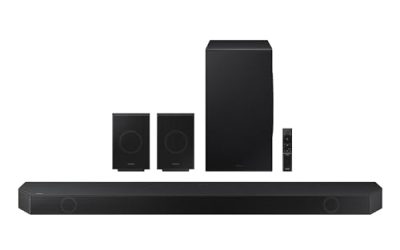
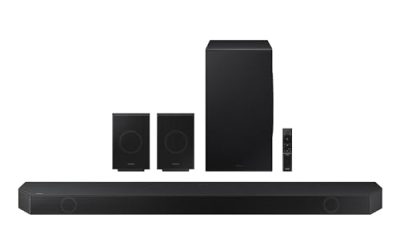
The Samsung HW-B550D suits viewers who want a full living-room setup with a separate wireless subwoofer. Its 3.1-channel layout puts a dedicated center speaker behind dialogue, while Dolby Audio and DTS Virtual:X widen the sound for films. The wireless subwoofer adds low-end weight for action scenes and bass-heavy tracks without a cable running across the floor. As a 2024 model it carries current connection options for modern televisions. The 2024 model year also brings current streaming format support for the services most households use daily.
Specs
- 3.1-channel soundbar with wireless subwoofer
- Dolby Audio and DTS Virtual:X
- Dedicated center channel for dialogue
- Wireless subwoofer for deep bass
- 2024 model
- UPC 887276827469
Best for: Living rooms where films and music share one soundbar and a separate subwoofer fits.
Watch out for: The wireless subwoofer needs its own power outlet and floor space, so plan placement before ordering.
JBL Bar 2.1 Deep Bass MK2
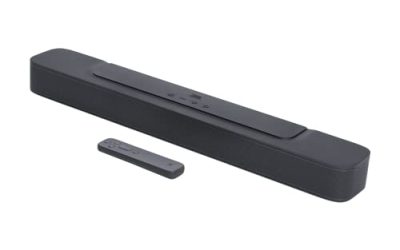
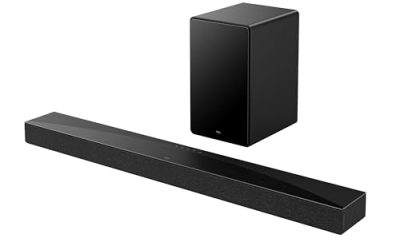
The JBL Bar 2.1 Deep Bass MK2 fits listeners who put bass first without giving up dialogue clarity. Its 6.5-inch wireless subwoofer delivers the low end that makes film explosions and bass lines feel physical, while the two-channel bar with JBL Surround Sound keeps the soundstage wide. Dolby Digital support covers most streaming film audio, and Bluetooth makes it easy to play music from a phone. It is a strong pick for a main living-room bar. The compact two-channel bar also fits neatly under most televisions without blocking the screen or the remote sensor.
Specs
- 2.1-channel soundbar with wireless subwoofer
- 300W total output
- 6.5-inch wireless subwoofer
- Dolby Digital
- JBL Surround Sound
- Bluetooth for music streaming
Best for: Bass lovers who want a punchy living-room bar for films and music.
Watch out for: The two-channel bar has no dedicated center speaker, so dialogue relies on processing rather than a separate driver.
Sony HT-S2000
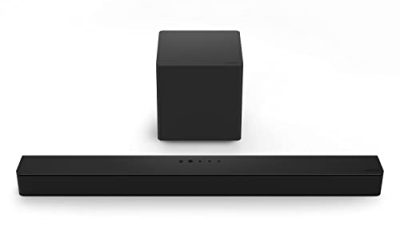
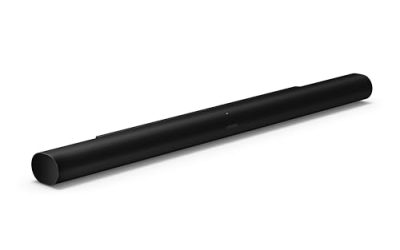
The Sony HT-S2000 suits viewers who want the widest soundfield from a single bar. Dolby Atmos and DTS:X processing with Vertical Surround Engine and S-Force PRO create a sense of height and space that smaller bars cannot match. The built-in dual subwoofer keeps bass in the bar itself, so no separate box is needed, and the center channel keeps dialogue clear. HDMI eARC and Bluetooth 5.2 cover both television audio and phone music. The 250W output also gives the bar enough headroom for large rooms without distortion at higher volumes.
Specs
- 3.1-channel soundbar
- Dolby Atmos and DTS:X
- Built-in dual subwoofer
- Center channel for dialogue
- Vertical Surround Engine and S-Force PRO
- 250W total output
- HDMI eARC
- Bluetooth 5.2
Best for: Viewers who want immersive surround sound from one bar with no separate subwoofer.
Watch out for: Built-in bass cannot match a large separate subwoofer for the deepest film effects, so bass-first buyers should compare carefully.
Yamaha SR-C20A
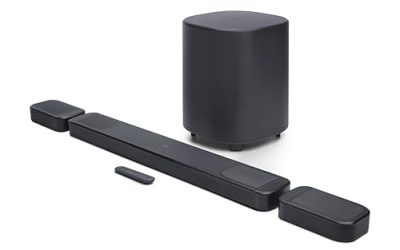
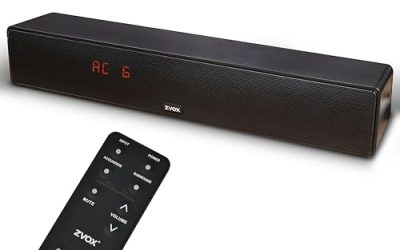
The Yamaha SR-C20A fits small rooms, bedrooms and desktop setups where a full-size bar would dominate the space. At 600mm wide it sits neatly under a smaller television or a monitor, and the built-in subwoofer with passive radiators adds bass without a separate box. Clear Voice lifts dialogue above background sound, which helps late-night viewing, and Bluetooth covers music from a phone. Its compact size makes it the easiest bar in this guide to place. The light weight also makes wall mounting simple, since the bar needs only a small bracket and a few screws.
Specs
- Compact soundbar, 600mm wide
- Built-in subwoofer with passive radiators
- Clear Voice for dialogue
- Bluetooth for music streaming
- 100W total output
- Item weight 3.97 pounds
Best for: Small rooms, bedrooms and desks where a compact single-bar setup matters most.
Watch out for: The small cabinet limits maximum volume and bass depth, so it suits near-field listening better than a large open living room.
Which One Fits Your Situation
Main Living Room for Films and Music
Choose the Samsung HW-B550D when the bar serves a main living room with space for a subwoofer. The 3.1-channel layout keeps dialogue clear, the wireless subwoofer adds film weight, and the format support covers most streaming services. It is the most complete all-rounder in this guide. The wireless subwoofer also hides neatly behind a sofa or beside a media unit, so the living room stays tidy while the sound stays full.
Bass-First Listening on a Budget
Choose the JBL Bar 2.1 Deep Bass MK2 when low-end impact matters most. The 6.5-inch wireless subwoofer gives films and bass-heavy music real weight, while Bluetooth makes music playback simple. Accept the two-channel layout, which trades a dedicated center speaker for a lower cost and a simpler setup. The Bluetooth connection also makes it easy to play playlists from a phone during a party without touching the television remote.
Immersive Sound From One Bar
Choose the Sony HT-S2000 when the goal is the widest soundfield without a separate subwoofer box. Dolby Atmos processing, the built-in dual subwoofer and the center channel combine for convincing surround from a single unit. It suits viewers who watch films with spatial audio and want dialogue to stay clear. The single-bar design also means one power cable and one HDMI cable, which keeps the setup clean behind the television.
Small Room or Desktop Setup
Choose the Yamaha SR-C20A when space is tight and the bar must disappear under a small television or monitor. The compact width, built-in subwoofer and Clear Voice mode cover films and music in a bedroom or office. Keep expectations realistic on volume and bass depth for larger rooms. The low weight also makes it easy to move the bar between rooms, from the bedroom to a home office when the setup changes.
Common Mistakes
- Buying a bar with a separate subwoofer without checking for floor space, a spare outlet and a clear path for the cable.
- Ignoring dialogue features and then struggling to hear speech during busy film scenes with loud background music.
- Choosing a bar wider than the television stand or too large for the room, which leaves it overhanging the edges.
- Assuming every bar supports Dolby Atmos when only some models process it, and paying for a feature that never activates.
- Placing the bar inside a closed cabinet, which muffles sound, blocks Bluetooth and traps heat around the electronics.
Frequently Asked Questions
Is a 3.1-channel soundbar better than a 2.1-channel bar?
A 3.1-channel bar adds a dedicated center speaker, which usually makes dialogue clearer during films and television. A 2.1-channel bar can still sound excellent, especially with good processing, and often costs less. Choose the 3.1-channel layout when dialogue clarity is a priority, and the 2.1-channel layout when bass and simplicity matter more than a separate center driver in practice.
Do I need a separate subwoofer for music?
A separate subwoofer adds depth to bass-heavy music and film soundtracks, but it is not required for enjoyable listening. Bars with built-in subwoofers, like the Sony and Yamaha models in this guide, handle most music well in small to medium rooms. Add a separate subwoofer when the room is large or bass depth is a top priority for film nights.
What is HDMI eARC and do I need it?
HDMI eARC is a connection that carries high-quality audio from the television to the soundbar, including Dolby Atmos, and lets the television remote control the bar volume. It is the best connection for a modern television in the home. Older televisions without eARC can use optical input instead, though some advanced audio formats may not pass through that connection.
Can a soundbar replace a full surround system?
A soundbar can replace a full surround system for many living rooms, especially models with virtual surround processing and a center channel. It will not match separate rear speakers for true surround placement, and its bass may not reach as deep as a large dedicated subwoofer. For most viewers the trade is worth it, since a soundbar is simpler to install.
More from Amazon
Programs that pair well with the guide above. Offers and eligibility are set by Amazon and may change.
Free shipping on eligible items, Prime Video and more. Eligible new members can start with a free trial.
Start a Prime free trialAd-free music streaming. Eligible new subscribers can start with a free trial.
Try Music Unlimited freeA Prime membership for ages 18-24 with a trial period. Eligibility is set by Amazon.
See Prime for Young AdultsAudiobooks and podcasts to listen to on the go. Eligible new members can start with a free trial.
Try Audible freeAs an Amazon Associate we earn from qualifying purchases.