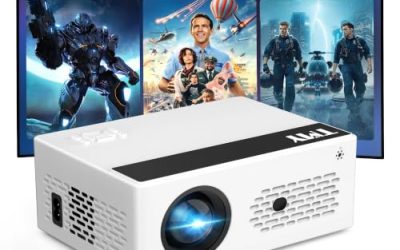
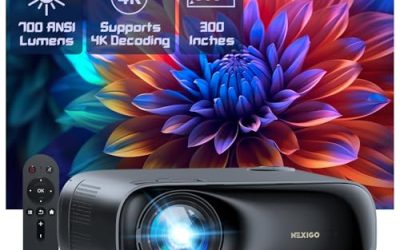
Our Short List of 3

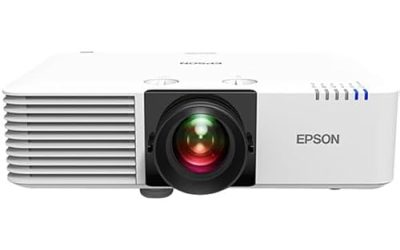
- Best overall LCD projector: Epson Home Cinema 2350 — 3-chip 3LCD, 4K PRO-UHD, Android TV, 2,800 lumens.
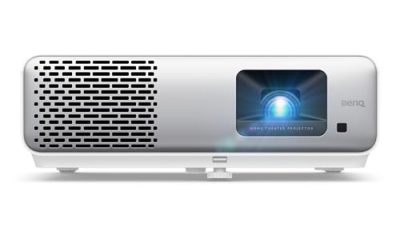
- Best easy first projector: Yaber L2 Plus — native 1080p LCD, licensed Netflix, JBL sound, auto focus and keystone.
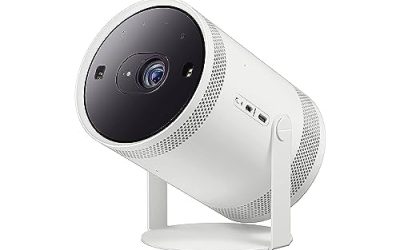
- Best portable LCD projector: Epson EpiqVision Flex CO-W01 — 3-chip 3LCD, WXGA, 3,000 lumens, compact shape.
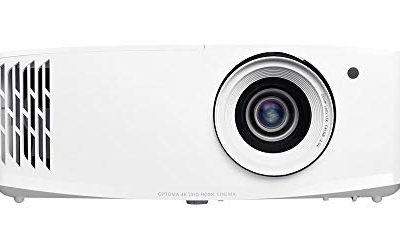
- Best dedicated home theater LCD projector: Epson Home Cinema 3800 — 3-chip 3LCD, 4K PRO-UHD, HDR, powered lens, wide shift.

- Native 1080p LCD panel with licensed Netflix built in
- Auto focus and keystone correction plus a tilting gimbal stand
- LED light source listed at 30,000 hours with no lamp to replace
- Listed brightness of 460 ISO lumens suits dim rooms only

- 3-chip 3LCD imaging with 3,000 lumens of listed brightness
- Compact portable shape for rooms, offices and classrooms
- Image size up to 300 inches for large-group viewing
- Native WXGA resolution is softer than the 1080p picks for movies
All 4 Picks at a Glance
| Product | Specs | Action |
|---|---|---|
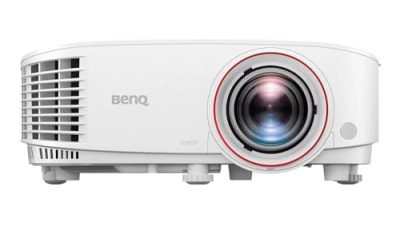
| Our Top Picks |
| Check price on Amazon |
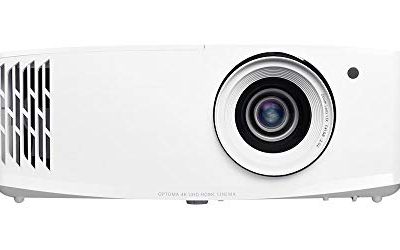
| 2. Yaber L2 Plus — Best Easy First Projector |
| Check price on Amazon |
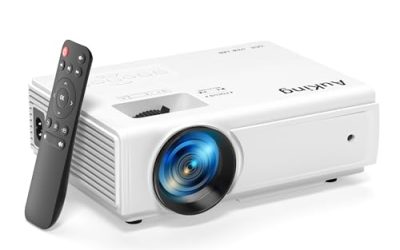
| 3. Epson EpiqVision Flex CO-W01 — Best Portable LCD Projector |
| Check price on Amazon |
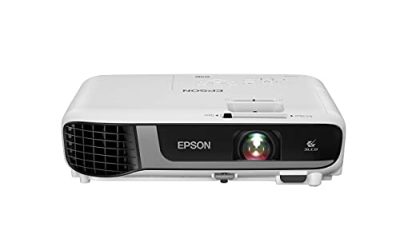
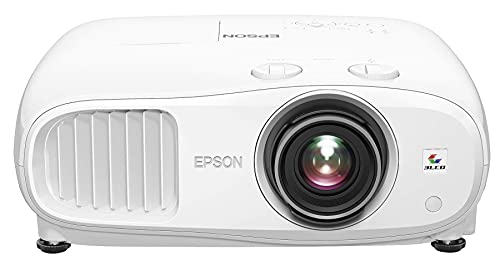 4. Epson Home Cinema 3800 — Best Dedicated Home Theater LCD Projector |
| Check price on Amazon |
Our Top Picks
As an Amazon Associate I earn from qualifying purchases.
The Short Answer
If you want one LCD projector that covers the most ground, the Epson Home Cinema 2350 is the pick to start with. It uses true 3-chip 3LCD imaging, produces a 4K PRO-UHD picture through pixel shifting, and runs Android TV with a built-in 10 W speaker, so movie nights need little more than a wall. Its listed brightness of 2,800 lumens for both color and white light keeps the picture watchable with a lamp on, and vertical lens shift makes shelf placement forgiving.
For a smaller room or a first projector, the Yaber L2 Plus is the friendlier choice. It is a native 1080p LCD projector with licensed Netflix built in, sound by JBL, automatic focus and keystone correction, and a tilting stand that aims the picture without stacking books underneath it. Its listed brightness of 460 ISO lumens means it belongs in a dim room, and that is the honest trade for its size and simplicity.
The Epson EpiqVision Flex CO-W01 suits work and travel: a portable 3LCD projector with WXGA resolution and 3,000 lumens of listed brightness, built for presentations and casual viewing where a bright room matters more than fine detail. The Epson Home Cinema 3800 is the dedicated-room pick, a 3-chip 3LCD projector with 4K PRO-UHD processing, HDR support, manual focus and zoom, and wide lens shift for a fixed installation.
In a 3-chip 3LCD design, a separate LCD panel works on red, green and blue at the same time, so color brightness matches white brightness on the listing. The number that matters most is the native resolution: a native 1080p panel shows a genuinely sharp image, while a lower native resolution with a supported-input claim does not.
Our Top Picks
- Best overall LCD projector: Epson Home Cinema 2350 — 3-chip 3LCD, 4K PRO-UHD, Android TV, 2,800 lumens.
- Best easy first projector: Yaber L2 Plus — native 1080p LCD, licensed Netflix, JBL sound, auto focus and keystone.
- Best portable LCD projector: Epson EpiqVision Flex CO-W01 — 3-chip 3LCD, WXGA, 3,000 lumens, compact shape.
- Best dedicated home theater LCD projector: Epson Home Cinema 3800 — 3-chip 3LCD, 4K PRO-UHD, HDR, powered lens, wide shift.
Quick Comparison
| Projector | Display | Native Resolution | Listed Brightness | Smart Platform | Best For |
|---|---|---|---|---|---|
| Epson Home Cinema 2350 | 3-chip 3LCD | 1080p panels, 4K PRO-UHD pixel shifting | 2,800 lumens color and white | Android TV | Living room movies and streaming |
| Yaber L2 Plus | LCD | 1920 x 1080 | 460 ISO lumens | Built-in apps with licensed Netflix | Bedrooms and first-time buyers |
| Epson EpiqVision Flex CO-W01 | 3-chip 3LCD | WXGA 1280 x 800 | 3,000 lumens color and white | Bring your own streaming stick | Presentations and portable use |
| Epson Home Cinema 3800 | 3-chip 3LCD | 1080p panels, 4K PRO-UHD pixel shifting | 3,000 lumens color and white | Bring your own streaming device | Fixed home theater rooms |
How to Choose
Start with the room. A projector is a light source fighting the light already in the room, so brightness decides whether the picture survives with lamps on. For a dark or dim room, a few hundred ISO lumens can be enough at a modest screen size. For a living room with windows and lamps, look for a listed brightness of 2,000 lumens or more in the same measurement standard as the models you compare. ISO lumens, ANSI lumens and plain lumens are measured differently, so a figure from one standard does not line up neatly against a figure from another. Compare within one standard where you can.
Native resolution is the next filter: the physical pixel count of the imaging panel, and the ceiling for sharpness. Native 1080p is the sensible baseline for movies and shows. Pixel-shifting models such as the two Epson home cinema picks here start from 1080p panels and shift pixels to build a 4K image on screen. WXGA at 1280 x 800 sits below 1080p and is acceptable for presentations and casual viewing, but text and fine detail look softer. Any listing that leads with a supported resolution instead of a native one is worth a second look: confirm on the listing what the native panel resolution actually is.
In 3-chip 3LCD projectors, three LCD panels work in parallel, one per primary color, which keeps color brightness equal to white brightness and avoids the rainbow artifacts some viewers notice on single-chip designs. Single-panel LCD projectors are common at lower price points and can still look good in a dark room, but their color brightness usually sits lower.
Throw distance decides placement: the distance from the lens to the screen for a given image size. Measure your room, pick your screen size, and confirm on the listing that the throw range covers your setup. Lens shift and zoom widen the placement window, and the Epson home cinema models here carry generous vertical shift.
Sound and smart features decide how much extra gear you need. The Yaber L2 Plus adds JBL-tuned sound while the Epson 2350 carries a 10 W bass-reflex speaker, and both support Bluetooth audio. Android TV on the Epson 2350 and licensed apps on the Yaber L2 Plus mean no extra stick is required, while the CO-W01 and the 3800 expect your own streaming device through HDMI. LED light sources in compact LCD projectors are listed with very long lives, often tens of thousands of hours, with no lamp to change. Lamp-based home theater projectors use a replaceable UHE lamp with a listed life in the thousands of hours, so confirm on the listing which light source a model uses before you buy.
The Picks in Detail
1. Epson Home Cinema 2350 — Best Overall LCD Projector
The Home Cinema 2350 is the most complete LCD projector in this guide. Its 3-chip 3LCD engine produces a 4K PRO-UHD image through pixel shifting, with HDR10 and HLG support, and its listed brightness of 2,800 lumens for both color and white light means bright and colorful scenes hold up equally well. Android TV is built in, so Netflix, Prime Video, Disney+, Hulu, HBO Max and YouTube are available without a separate stick, and the 10 W bass-reflex speaker plus Bluetooth audio cover casual viewing and private listening. Two HDMI inputs, one with ARC, give room for a console and a streaming device, vertical lens shift of up to 60 percent makes shelf placement straightforward, and the listing notes low latency for gaming. At 10.8 x 13.1 x 4.8 inches and 9 pounds, it is a living-room fixture rather than a travel companion. Its lamp-based light source is the one running cost to plan for, so confirm on the listing the lamp life and replacement details. Model number: V11HA73020.
Pros:
- True 3-chip 3LCD imaging with equal color and white brightness
- 4K PRO-UHD picture with HDR10 and HLG support
- Android TV built in, plus a 10 W speaker and Bluetooth audio
- Vertical lens shift and low-latency gaming support
Cons:
- Lamp-based light source means a replacement lamp is a future cost
- Larger and heavier than portable LCD projectors
2. Yaber L2 Plus — Best Easy First Projector
- Native 1080p LCD panel with licensed Netflix built in
- Auto focus and keystone correction plus a tilting gimbal stand
- LED light source listed at 30,000 hours with no lamp to replace
- Listed brightness of 460 ISO lumens suits dim rooms only
The Yaber L2 Plus is built around ease of use. It is a native 1080p LCD projector that accepts 4K input and downscales it to 1080p, with licensed Netflix and other apps built in, sound by JBL, WiFi 6 and Bluetooth. Setup is close to automatic: the listing describes seamless auto focus and keystone correction, and the foldable gimbal stand tilts the projector to aim the image, with angles within 15 degrees recommended. The image runs from 40 to 150 inches at a throw distance of 3.5 to 14.82 feet, and the listed contrast is 20000:1. Its listed brightness of 460 ISO lumens sets the boundary for this pick: it is a dim-room projector, and the listing itself notes that daytime use can leave the image faded. The LED light source is listed at 30,000 hours, so there is no lamp to replace. Connectivity covers HDMI with ARC, USB and 3.5 mm audio, with ceiling and tripod mounting supported. It has no built-in battery, so outdoor use needs a mains connection or a portable power station, and phone mirroring can compress quality, so the native apps or an HDMI connection give the better picture. Model name: L2 Plus.
Pros:
Cons:
3. Epson EpiqVision Flex CO-W01 — Best Portable LCD Projector
- 3-chip 3LCD imaging with 3,000 lumens of listed brightness
- Compact portable shape for rooms, offices and classrooms
- Image size up to 300 inches for large-group viewing
- Native WXGA resolution is softer than the 1080p picks for movies
The EpiqVision Flex CO-W01 is the portable pick for rooms where brightness matters more than resolution. Its 3-chip 3LCD engine is listed at 3,000 lumens for both color and white brightness, and it projects an image up to 300 inches. Native resolution is WXGA at 1280 x 800, below the 1080p picks for fine detail, but slides, documents and casual video stay clear, and the 5 W built-in speaker covers a small room without extra audio gear. It is a compact mains-powered unit built to move between rooms, offices and classrooms, with HDMI and USB ports for a laptop or a streaming stick, and no built-in smart platform, so streaming comes from a device you plug in. Model number: V11HA86020, and the projector remains a current model in Epson’s own catalog. Confirm on the listing the exact throw distance for your screen size, since portable use means the placement changes every time.
Pros:
Cons:
4. Epson Home Cinema 3800 — Best Dedicated Home Theater LCD Projector
- 3-chip 3LCD with 4K PRO-UHD processing and HDR10 and HLG
- 3,000 lumens listed brightness with strong auto-iris contrast
- Manual focus and zoom plus wide lens shift for fixed installs
- Lamp-based light source with a listed life of 3,500 to 5,000 hours
The Home Cinema 3800 is the fixed-installation pick. It pairs a 3-chip 3LCD light engine with 4K PRO-UHD pixel shifting and HDR10 and HLG support, starting from native 1080p panels. Listed brightness is 3,000 lumens for both color and white light, and the listed contrast reaches 100,000:1 with the auto iris, the strongest contrast figure in this guide for a dark room. Manual focus and optical zoom with a 1.62x zoom range, a throw ratio of 1.32 to 2.15:1, and lens shift of up to 60 percent vertical and 24 percent horizontal give an installer a wide placement window, including ceiling mounting off-center from the screen. It expects a separate streaming device for a full theater, though it does have built-in dual 10 W stereo speakers, and its 250 W UHE lamp is listed at 3,500 to 5,000 hours, so lamp replacement is part of owning it. Model number: V11H959020. Buy the new-condition listing for this model and confirm on the listing that the unit is new rather than a Renewed listing, since separate Renewed listings exist for the same model under different codes.
Pros:
Cons:
Who Should Choose What
Choose the Epson Home Cinema 2350 if you want one projector for a living room that handles movies, streaming and console gaming with nothing extra to buy. Its built-in Android TV and speaker make it the most self-contained pick here.
Choose the Yaber L2 Plus if this is a first projector for a bedroom, a small apartment or a dorm, and ease matters more than maximum brightness. The built-in Netflix app, automatic setup and tilting stand remove the usual friction.
Choose the Epson EpiqVision Flex CO-W01 if the projector moves between meeting rooms, classrooms or the backyard. Its brightness holds up with the lights on, and WXGA resolution is a fair trade for a picture that stays visible in a bright space.
Choose the Epson Home Cinema 3800 if you have a dedicated room with a fixed screen, a mount and separate audio, and you want the best LCD picture this guide covers. Its contrast rewards a dark room more than any other pick here.
Common Mistakes
The most common mistake is comparing brightness figures measured in different standards. A lumens figure with no standard named, an ISO lumens figure and an ANSI lumens figure are three different measurements, and the numbers do not convert cleanly. Compare like with like, and confirm on the listing which standard a figure uses before treating it as a ranking.
The second mistake is buying on supported resolution instead of native resolution. A listing that says it supports 4K input may still have a native 1080p or lower panel, and the native figure is the one that sets sharpness. Every pick in this guide states its native resolution in the comparison table above; hold any other model to the same check.
The third mistake is ignoring throw distance. A projector that needs twelve feet for a 100-inch image will not work in a ten-foot room, and no amount of keystone correction fixes a picture thrown from the wrong distance. Measure the room first, then check the throw range on the listing.
The fourth mistake is forgetting sound and streaming. A projector with no smart platform and no speaker needs a streaming stick and audio gear before the first movie. The fifth mistake is assuming every listing for a model is the same unit: popular projectors often have separate new and Renewed listings under different codes, so confirm on the listing that the code matches the new-condition listing for the model you want.
FAQ
Are LCD projectors good for movies?
Yes, when the native resolution and brightness match the room. A native 1080p LCD projector with pixel shifting gives a sharp, colorful picture for films, and 3-chip 3LCD designs keep color brightness equal to white brightness. A dim room matters more than the panel type: even a good LCD projector looks washed out with strong daylight on the screen.
What is the difference between LCD and 3LCD projectors?
3LCD is a form of LCD projection that uses three LCD panels, one each for red, green and blue, working at the same time. Single-panel LCD projectors use one panel and a different light path. The practical difference is color brightness: 3LCD listings usually state equal color and white brightness, while single-panel models often show lower color brightness.
Is a 1080p LCD projector sharp enough for a large screen?
For most living rooms, yes. Native 1080p stays sharp up to a large image in a dim room, and pixel-shifting models such as the Epson 2350 and 3800 build a 4K image on screen from 1080p panels, which looks sharper still.
How bright should an LCD projector be?
It depends on the room. For a dark room at a modest screen size, a few hundred ISO lumens can work, which is why the Yaber L2 Plus suits bedrooms. For a living room with lamps on, look for a listed brightness of 2,000 lumens or more in a named standard.
Do LCD projectors need a screen?
No, a smooth white or light-grey wall works for casual viewing, and many first-time owners start that way. A dedicated screen improves contrast and color uniformity, especially in a room with ambient light. A screen is an upgrade to plan after the projector, not a requirement before the first movie.
How long does an LCD projector last?
It depends on the light source. LED-based LCD projectors such as the Yaber L2 Plus list very long light-source lives, often tens of thousands of hours, with no lamp to change. Lamp-based models such as the Epson home cinema picks list a lamp life in the thousands of hours, and the lamp is a replaceable part.
Conclusion
The best LCD projectors cover a wide spread of rooms and budgets, and the right one follows the room, not the spec sheet. The Epson Home Cinema 2350 is the strongest all-round choice for a living room, with 3LCD imaging, 4K PRO-UHD, Android TV and a built-in speaker. The Yaber L2 Plus is the easiest first projector for a dark bedroom, with native 1080p, licensed Netflix and automatic setup. The Epson EpiqVision Flex CO-W01 is the bright portable for work and travel, and the Epson Home Cinema 3800 is the dedicated-room projector for a fixed theater. Check the native resolution, the brightness standard and the throw distance on the listing, and pick the model that matches where you will actually watch.
More from Amazon
Programs that pair well with the guide above. Offers and eligibility are set by Amazon and may change.
Free shipping on eligible items, Prime Video and more. Eligible new members can start with a free trial.
Start a Prime free trialAd-free music streaming. Eligible new subscribers can start with a free trial.
Try Music Unlimited freeA Prime membership for ages 18-24 with a trial period. Eligibility is set by Amazon.
See Prime for Young AdultsAudiobooks and podcasts to listen to on the go. Eligible new members can start with a free trial.
Try Audible freeAs an Amazon Associate we earn from qualifying purchases.