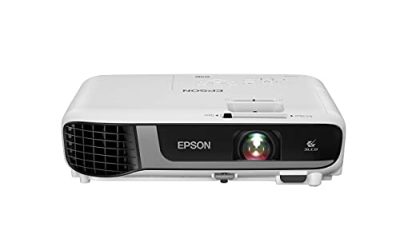
Our Short List of 3
All 5 Picks at a Glance
| Product | Specs | Action |
|---|---|---|
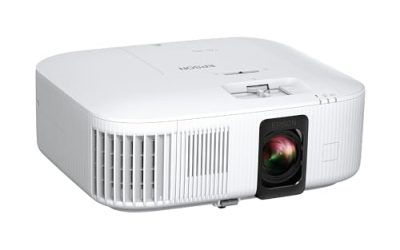
 Epson Home Cinema 2350 4K PRO-UHD Smart Streaming Projector | Check price on Amazon | |
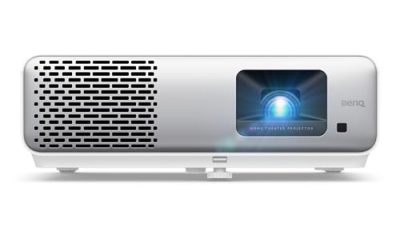
 BenQ HT2060 1080p HDR LED Home Theater Projector | Check price on Amazon | |
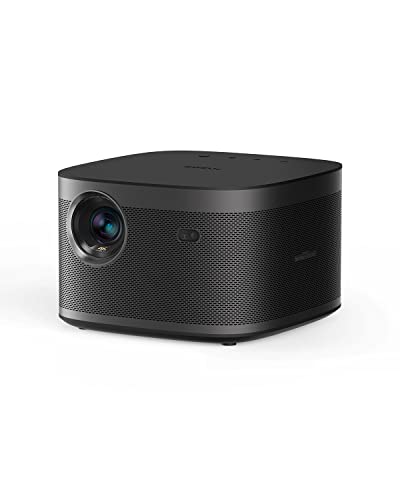 XGIMI Horizon Pro 4K Projector | Check price on Amazon | |
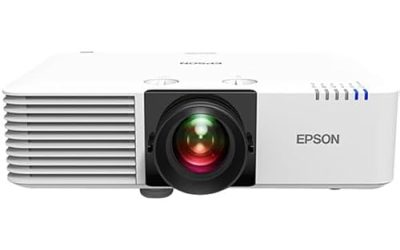
 Epson Home Cinema 1080 3-Chip 3LCD Projector | Check price on Amazon | |
 NEBULA Cosmos Laser 4K Projector by Anker | Check price on Amazon |
Key takeaways
- Compare the best TV projectors for movies and shows, with bright home models, built-in streaming, flexible setup, and sound options for living rooms.
A TV projector changes what a living room can do. Instead of a fixed screen size, the picture grows to fill a wall or a dedicated screen, so a weekend movie feels closer to a cinema visit and a regular episode feels far more immersive. For households that watch a lot of streaming shows, live sports, and family films, that scale is the main reason to choose projection over another television, especially when seating sits far from the wall.
The trade-off is that a projector has to suit the room as well as the content. Brightness matters more in a living room than in a dark theater, built-in streaming saves extra hardware, and throw distance decides whether the unit fits on a coffee table, a shelf, or a ceiling mount. The models below are all home projectors made for TV shows and movies, covering bright lamp models, color-focused LED models, laser models, and smart models with automatic setup.
As an Amazon Associate, we earn from qualifying purchases.
How to Choose a TV Projector
Start With Brightness and Room Light
Brightness is the first filter for a TV replacement. A projector used mainly after dark can work at a lower light output, because the room itself is not competing with the image. A projector used for daytime news, sports, and children’s shows needs more output, plus curtains or blinds that cut direct sun. No home projector looks its best with sunlight falling straight on the screen, so placement and light control matter as much as the headline lumen figure. Note that lumen systems differ between brands, so a figure measured one way is not a perfect comparison against a figure measured another way.
Resolution: 1080p or 4K
Full HD 1080p still looks sharp on a large screen when the source is a streaming show or a broadcast feed, and it often comes with strong color and contrast for the money. A 4K model adds finer detail in films, nature documentaries, and close-up sports coverage, and it holds up better as screen sizes pass 100 inches. Some 4K home models use pixel-shifting to reach 4K detail from a lower native chip resolution, which is a normal and effective approach in this class. Match the choice to the content watched most and to the screen size planned.
Streaming, Sound, and Connections
A projector that replaces a TV should be easy to start every day. Built-in Android TV or a bundled streaming dongle puts apps on the home screen without a separate player, while HDMI ports handle cable boxes, game consoles, and disc players. An ARC or optical output makes it simple to send sound to a soundbar. Built-in speakers vary widely: a small single speaker is fine for news and casual viewing, while dual speakers with more power suit movies better until an external system is added. Bluetooth is useful for a speaker or headphones during late viewing.
Throw Distance and Image Correction
Measure the room before choosing. A standard-throw projector usually sits several feet from the screen, often behind the seating, while a model with a wide zoom range gives more freedom. Lens shift is the cleanest way to move the image without distorting it, because the picture moves optically. Keystone correction is convenient, especially automatic keystone and autofocus on smart models, but heavy keystone use can soften edges, so a roughly square placement is still best. Ceiling mounting keeps a standard-throw model out of the way for daily TV use.
Lamp, LED, and Laser Light Sources
Lamp models deliver high brightness and a lower entry cost, with a lamp that will eventually need replacement. LED and laser models run longer rated light-source life, reach full brightness quickly, and need less maintenance over years of daily viewing. For a projector that will act as the main TV and run for hours each day, that long-life light source is a practical advantage worth weighing alongside picture quality.
Epson Home Cinema 2350 4K PRO-UHD Smart Streaming Projector
The Epson Home Cinema 2350 is built for a living room that is not fully dark. Its 3-chip 3LCD engine produces color and white brightness at the same rated level, which helps color stay vivid during daytime shows and sports as well as evening films. The 4K PRO-UHD picture uses pixel-shifting to deliver detailed 4K content, with HDR10 and HLG support for compatible streaming and broadcast sources.
Android TV is built in, so the main streaming apps sit on the projector itself, and the 10 watt built-in speaker covers casual viewing without extra gear. Vertical lens shift and a wide zoom range make placement easier than on a basic model, whether the unit sits on a stand behind the sofa or mounts to the ceiling. For a household that wants one bright, flexible projector as its main screen, this is a balanced starting point.
Who It Suits
This model suits viewers who watch a mix of daytime TV and evening movies in the same room and want built-in streaming. It is less suited to a small room where the projector must sit very close to the screen, because it uses a standard throw distance.
BenQ HT2060 1080p HDR LED Home Theater Projector
The BenQ HT2060 takes a different route: instead of chasing 4K, it focuses on color accuracy and contrast at 1080p. Its LED light source covers wide color gamuts described in the listing as DCI-P3 and Rec. 709, which suits films and prestige TV shows where skin tones and shadow detail matter. HDR support helps compatible content keep detail in bright and dark areas of the same scene.
Placement is a strength. Vertical lens shift, a 1.3 times zoom, and two-dimensional keystone correction give more freedom than a fixed-lens model, and the long-life LED source fits a projector used every day. Dual built-in speakers handle dialogue for regular viewing, and an S/PDIF output makes adding a soundbar simple. Fast response at high refresh rates is a bonus for casual gaming between shows, though movies and TV remain the main job here.
Who It Suits
This model suits movie and drama viewers who value color and contrast over 4K detail and who can control room light reasonably well. Viewers who need the brightest possible picture for a sunlit room should look at the higher-output models in this guide instead.
XGIMI Horizon Pro 4K Projector
The XGIMI Horizon Pro is a compact smart projector designed to be set down, switched on, and left to align itself. Intelligent Screen Adaptation brings autofocus, automatic keystone correction, screen alignment, and obstacle avoidance, which reduces setup time when the projector moves between rooms or sits at a slight angle. True 4K resolution at 3840 by 2160 gives it the sharpest native picture in this group.
Android TV 10.0 is built in, and the integrated Harman Kardon speakers are a step above the small speakers in many home projectors, giving dialogue and music more body for everyday TV use. HDR10 and HLG support covers major streaming formats. Brightness is lower than the brightest lamp models here, so the Horizon Pro rewards viewers who dim the room for films and use moderate screen sizes for daytime viewing.
Who It Suits
This model suits viewers who want a tidy, all-in-one smart projector with strong built-in sound and automatic setup, especially in an apartment or a multipurpose room. It is less suited to very bright rooms or very large screens, where a higher-output model holds up better.
Epson Home Cinema 1080 3-Chip 3LCD Projector
The Epson Home Cinema 1080 is the brightness-first option for everyday television. At 3,400 lumens of color and white brightness, it is the brightest model in this guide, which makes it a practical pick for sports, news, and family viewing in a room that stays fairly light. The 3-chip 3LCD design avoids the rainbow artifacts some viewers notice on single-chip designs, and the 1080p picture matches the resolution of most broadcast and streaming content.
Setup is straightforward. Auto picture skew correction helps square the image, dual HDMI ports cover a streaming player and a console or cable box, and a built-in speaker handles simple viewing. The contrast rating is modest compared with theater-focused models, so dark movie scenes look better with the lights lowered, but for a big, bright everyday TV picture this model makes a clear case.
Who It Suits
This model suits households replacing a TV mainly for bright, everyday viewing, live sports, and large family shows. Viewers building a dark dedicated theater who care most about deep contrast and 4K detail should choose one of the other models here.
NEBULA Cosmos Laser 4K Projector by Anker
The NEBULA Cosmos Laser 4K pairs a laser light source with automatic setup, aiming at viewers who want a large 4K picture without a permanent installation. Laser brightness of 2,200 ANSI lumens is strong for evening viewing and workable for shaded daytime use, and the laser source is built for long service in a projector used daily as a TV.
Intelligent setup features do much of the alignment work: autofocus, automatic keystone correction, and screen fit help the image land square on a screen or wall. Android TV comes by way of a bundled dongle, giving access to major streaming apps, while Wi-Fi and Bluetooth cover wireless sources and audio. A carry handle in the design makes it easier to move between a living room and a bedroom than a fixed ceiling-mounted unit.
Who It Suits
This model suits viewers who want 4K laser picture quality and automatic setup in a unit that can move between rooms. Viewers who prefer streaming built directly into the projector body, rather than through a dongle, may prefer the Epson 2350 or the XGIMI Horizon Pro.
Frequently Asked Questions
Can a projector fully replace a TV for daily viewing?
Yes, for many households, provided the room suits it. A bright model handles daytime shows and sports, built-in or dongle-based streaming covers the main apps, and HDMI covers cable and consoles. The main limits are direct sunlight on the screen and sound, since most built-in speakers benefit from a soundbar for movies. With light control and a screen or smooth wall, a projector can serve as the main display.
What screen size works best for a TV projector at home?
Most living rooms land between 100 and 120 inches, which feels much larger than a typical television without overwhelming the wall or the seating distance. Larger sizes up to 150 inches can work in a longer room, but brightness falls as the image spreads, so a very large image needs a darker room. Sitting roughly one and a half times the screen width away is a comfortable starting point for mixed TV and movie viewing.
Do TV projectors need a screen, or is a wall enough?
A smooth, light-colored wall works and keeps setup simple, especially for smart models with screen-fit and keystone features. A dedicated screen usually gives a flatter surface, cleaner edges, and more consistent color, and an ambient-light-rejecting screen can help in brighter rooms. Many households start with a wall, confirm the size and placement they like, and add a screen later once the layout is settled.
How long do projector light sources last in daily TV use?
It depends on the technology. Lamp models need a replacement lamp after a period of use that varies by model and brightness mode. LED and laser models are rated for much longer light-source life, often covering years of daily viewing without a lamp change. Using an eco or lower-brightness mode when the room is dark can extend light-source life and reduce fan noise on any type.
Final Verdict
For most living rooms, the Epson Home Cinema 2350 is the most balanced TV projector here, combining strong brightness, a detailed 4K PRO-UHD picture, built-in Android TV, and flexible placement. The Epson Home Cinema 1080 is the pick when brightness for daytime TV and sports comes first, while the BenQ HT2060 rewards movie viewers who care most about color and contrast in a controlled-light room.
For a smarter, tidier setup, the XGIMI Horizon Pro offers true 4K, automatic alignment, and the strongest built-in sound story in a compact body, and the NEBULA Cosmos Laser 4K adds laser brightness and screen-fit automation in a movable design. Match the choice to the room: brightness and light control first, then resolution, then the streaming and sound setup that makes daily viewing effortless.
Product and ASIN Reference
| Product | ASIN |
|---|---|
| Epson Home Cinema 2350 4K PRO-UHD Smart Streaming Projector | B0BDR8THMJ |
| BenQ HT2060 1080p HDR LED Home Theater Projector | B0BWGXHVRV |
| XGIMI Horizon Pro 4K Projector | B0967XXVH2 |
| Epson Home Cinema 1080 3-Chip 3LCD Projector | B08GL2DSKZ |
| NEBULA Cosmos Laser 4K Projector by Anker | B09XMBR1NN |
More from Amazon
Programs that pair well with the guide above. Offers and eligibility are set by Amazon and may change.
Free shipping on eligible items, Prime Video and more. Eligible new members can start with a free trial.
Start a Prime free trialAd-free music streaming. Eligible new subscribers can start with a free trial.
Try Music Unlimited freeA Prime membership for ages 18-24 with a trial period. Eligibility is set by Amazon.
See Prime for Young AdultsAudiobooks and podcasts to listen to on the go. Eligible new members can start with a free trial.
Try Audible freeAs an Amazon Associate we earn from qualifying purchases.