Key takeaways
- Chest pockets: Best for pens, ID cards, a radio clip, or a small notepad. Choose flaps or zippers for outdoor work.
- Lower front pockets: Useful for gloves, tape, and small hand tools. Reinforced corners prevent early tearing.
- Internal pockets: Keep a phone or paperwork protected from light rain and job-site dust.
- Radio loop: Helpful when the vest is worn over a jacket, but check that the radio does not cover a reflective shoulder band.
- Clear ID window: Practical for controlled sites, though plastic windows can become brittle with sun exposure.
Best High-Visibility Vests for Different Work Settings
The best high visibility vests are the ones whose visibility class, fit over your workwear, pocket layout, and fabric construction match the job rather than simply having the brightest color.
For roadside and nighttime work, choose a compliant ANSI/ISEA 107 Performance Class 2 or 3 vest with broad retroreflective striping. For warehouse, construction, or daytime site work, a lighter Performance Class 1 or 2 vest may be more comfortable and practical. If you work under European rules, look for EN ISO 20471 certification instead; its classes are not direct equivalents to ANSI/ISEA classifications.
Our top picks
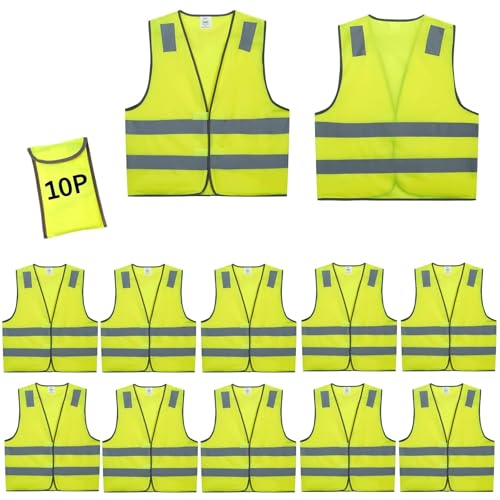
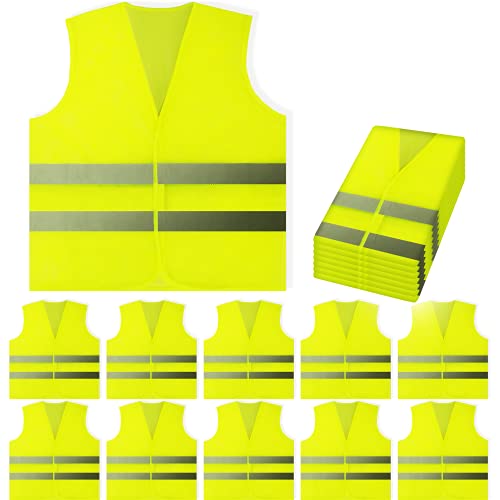
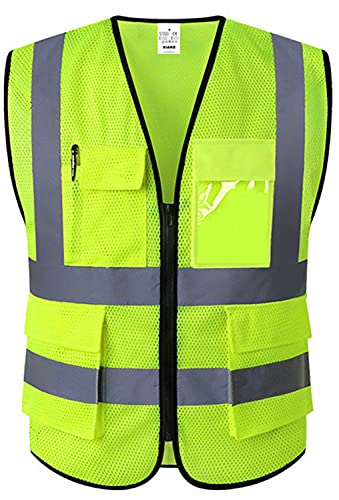
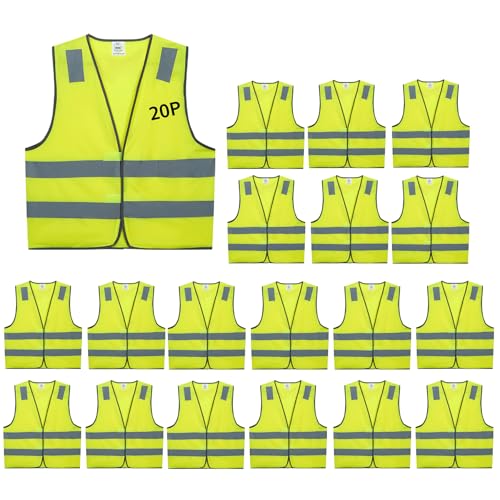
As an Amazon Associate we earn from qualifying purchases at no extra cost to you. Ratings are shown as listed on Amazon.
Quick comparison: which vest fits your situation?
| Work situation | Recommended visibility | Useful construction | Typical price range | Best priority |
|---|---|---|---|---|
| Warehouse or indoor logistics | ANSI/ISEA 107 Type O, often Performance Class 1 | Light mesh, front zipper, 2–4 pockets | $10–$25 | Ventilation and low bulk |
| Construction site or utility work | ANSI/ISEA 107 Type R, Performance Class 2 | Mesh or polyester shell with torso and shoulder striping | $15–$40 | All-around visibility and storage |
| Roadside work in traffic | ANSI/ISEA 107 Type R, Performance Class 2 or 3 | Solid fluorescent panels, wide reflective bands, secure closure | $25–$60 | 360-degree recognition |
| Nighttime or complex traffic environments | ANSI/ISEA 107 Type R or P, Performance Class 3 where required | Longer torso, sleeves or jacket-style coverage, high-quality reflective tape | $40–$100 | Maximum visible body area |
| Frequent outdoor use in heat | Class required by the employer or site | 100% polyester mesh, vented sides, minimal lining | $15–$45 | Cooling and washability |
Visibility classifications explained
In the United States, ANSI/ISEA 107-2020 separates high-visibility apparel by both garment type and performance class. Type O is intended for off-road use, such as warehouses or private industrial sites. Type R is intended for roadway or temporary traffic-control environments. Type P is designed for public safety personnel and similar emergency settings.
Performance Class 1 provides the least amount of high-visibility material and is generally suited to lower-risk, off-road environments. Performance Class 2 adds more fluorescent background material and reflective coverage for workers exposed to moving vehicles or equipment. Performance Class 3 provides the greatest body coverage and is used where workers need to be visible through the torso and limbs, often with a vest combined with sleeves or a jacket.
Do not select a vest by color alone. A fluorescent yellow-green or orange-red shell can look highly visible while lacking the required reflective area, labeling, or garment configuration. Check the compliance label and follow the requirements of the employer, worksite, road authority, or safety plan. Canadian workplaces may use CSA Z96, while European workplaces commonly use EN ISO 20471 Classes 1 through 3.
Visibility features that matter in practice
Reflective layout
The most useful vest has reflective material that creates a recognizable human outline, not just a small strip across the chest. Look for horizontal bands around the torso and vertical or diagonal bands over the shoulders. Shoulder bands help drivers and equipment operators identify a person from the front, side, and rear.
For roadside work, a vest with two horizontal torso bands is usually more useful than a fashion-style vest with one narrow stripe. A contrasting fluorescent border around the reflective tape can improve daytime definition. Reflective material must still be clean and exposed; a winter jacket, tool harness, or backpack can cover important sections.
Daytime and nighttime performance
Fluorescent fabric works mainly in daylight by converting ultraviolet light into visible color. Retroreflective tape works when headlights or another directed light source shines toward it. A vest intended for both conditions needs enough of each material. Fluorescent fabric does not replace reflective tape after dark, and reflective tape alone does not provide strong daytime contrast.
Closure and adjustability
A zipper gives a secure fit and prevents the front from flapping around tools or machinery. Hook-and-loop closures are easier to adjust over bulky clothing but can collect lint and lose grip. Side tabs are valuable when one vest must fit over a T-shirt in summer and a jacket in winter. Avoid a vest that hangs open or shifts sideways, because the reflective bands may no longer sit in their intended positions.
How to choose a size over workwear
Do not automatically order your normal shirt size. Measure the outermost layer you will wear under the vest, then compare that chest measurement with the garment’s sizing chart. For a vest worn over a light shirt, approximately 2–4 inches of additional chest room is usually practical. Over a sweatshirt, insulated jacket, or tool belt, allow roughly 4–8 inches, depending on the vest’s side adjusters.
| Layer beneath vest | Suggested extra chest allowance | Fit check |
|---|---|---|
| T-shirt or thin uniform | 2–4 inches | Zipper closes without pulling |
| Hoodie or fleece | 4–6 inches | Arm openings do not restrict movement |
| Insulated jacket and equipment belt | 6–8 inches | Reflective bands remain visible from the side |
Raise both arms, bend forward, and rotate your torso before accepting the fit. The bottom edge should not ride above your belt when you reach. A vest that is too large can snag on handles and machinery; one that is too tight can pull the reflective tape out of alignment.
Pocket layouts: convenience versus visibility
Simple two-pocket mesh vests are appropriate when you only need a phone, pen, or access card. For construction and utility work, four to eight pockets can reduce trips to a tool bag, but every pocket adds weight and can pull the vest downward.
- Chest pockets: Best for pens, ID cards, a radio clip, or a small notepad. Choose flaps or zippers for outdoor work.
- Lower front pockets: Useful for gloves, tape, and small hand tools. Reinforced corners prevent early tearing.
- Internal pockets: Keep a phone or paperwork protected from light rain and job-site dust.
- Radio loop: Helpful when the vest is worn over a jacket, but check that the radio does not cover a reflective shoulder band.
- Clear ID window: Practical for controlled sites, though plastic windows can become brittle with sun exposure.
For roadside work, prioritize uninterrupted reflective coverage over maximum storage. A heavily loaded vest can obscure the fluorescent panel and change how the garment hangs. If you carry many tools, use a separate belt or harness designed to leave the required high-visibility areas exposed.
Mesh versus solid fabric
Mesh polyester
Open polyester mesh is the best choice for hot indoor or outdoor work because it allows air movement and dries quickly. It is usually light, often around 4–8 ounces for a basic adult vest. The trade-off is lower abrasion resistance: mesh can catch on rebar, pallet edges, branches, and hook-and-loop fasteners. Stitching around pockets and zipper ends usually fails before the main fabric.
Solid polyester
Solid polyester provides more wind resistance, a smoother surface for printing or identification, and better protection from light grime. It is typically more durable than very open mesh, although it can feel warmer. A hybrid vest with mesh side or back panels offers a useful compromise for variable conditions.
Heavy-duty and flame-resistant options
For welding, fuel handling, electrical work, or environments with flame hazards, use the garment specification required by the job. Ordinary polyester can melt or shrink when exposed to high heat. Flame-resistant high-visibility garments cost more, commonly $50–$150 or more, and require specific laundering procedures. A standard safety vest is not a substitute for flame-resistant or arc-rated protective clothing.
Durability and maintenance realities
The first visible wear usually appears at pocket corners, zipper bases, shoulder seams, and reflective tape edges. Sunlight gradually fades fluorescent fabric, while dirt reduces the effectiveness of reflective material. Replace a vest when the background color is substantially faded, the tape is cracked or peeling, holes expose large areas, or the closure no longer keeps the vest positioned correctly.
Wash according to the care label, normally with mild detergent and without bleach, fabric softener, or harsh solvents. High heat can damage reflective tape and elastic. Close hook-and-loop fasteners before washing, inspect the garment after each cycle, and air-dry when permitted. Do not iron reflective bands. If the vest is contaminated with oil, chemicals, or hazardous substances, follow the employer’s contamination procedure rather than trying to restore it at home.
Best high visibility vest by job type
- Best for warehouse workers: A lightweight Type O mesh vest with a zipper, two torso bands, and two chest pockets.
- Best for general construction: A Type R Performance Class 2 vest with shoulder-to-waist reflective bands, reinforced lower pockets, and adjustable sides.
- Best for roadside crews: A solid or hybrid Performance Class 2 vest with broad 360-degree striping, secure zipper closure, and enough fluorescent area to remain visible over workwear.
- Best for night work: The highest class required by the site, with reflective coverage that remains visible when the wearer turns sideways; pair it with compliant trousers or outerwear if the rules require full-body coverage.
- Best for hot weather: A vented polyester mesh model with minimal pockets and no unnecessary lining.
- Best for frequent, rough use: A heavier polyester or hybrid design with bar-tacked pocket corners, reinforced seams, durable tape, and replaceable identification panels.
Bottom line
Choose the best high visibility vests by starting with the required classification, then confirm that the reflective pattern remains visible over your actual workwear. Add adjustable sizing for layered clothing, select mesh for ventilation or solid fabric for abrasion resistance, and treat pockets as a trade-off rather than an automatic benefit. The right vest is bright, correctly classified, comfortable enough to wear all shift, and durable enough to stay compliant after repeated cleaning and job-site use.