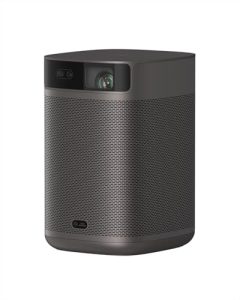
Our Short List of 3
All 4 Picks at a Glance
| Product | Specs | Action |
|---|---|---|
 Optoma ZH403 |
| Check price on Amazon |
 BenQ LU935 |
| Check price on Amazon |
 ViewSonic LS740HD |
| Check price on Amazon |
 Epson PowerLite L530U |
| Check price on Amazon |
Our Top Picks
- ViewSonic LS740HD 1080P Laser Projector5.1" x 11.3" x 8.5"11.3 x 8.5 x 5 inches6.6 poundsCheck on Amazon
Laser phosphor is the light-source design that moved projectors out of the lamp-changing era. A blue laser diode array excites a rotating phosphor wheel to produce yellow light, which is split and combined with direct blue laser light to form the full image. The result is a light source that typically runs for 20,000 to 30,000 hours, holds its brightness far longer than a lamp, switches on in seconds and can run at any orientation, including portrait and 360-degree installations.
That combination explains why laser phosphor dominates professional and education projection: boardrooms, lecture halls, houses of worship, museums, digital signage and large home screening rooms where the projector is mounted once and expected to work every day without a maintenance visit. This guide compares four laser phosphor projectors that cover the main buying shapes: a compact Full HD DLP model, a high-brightness WUXGA DLP installation machine, a Full HD laser model built for flexible mounting, and a 3LCD WUXGA projector with wireless sharing for meeting spaces.
As an Amazon Associate we earn from qualifying purchases.
How Laser Phosphor Works, and Why It Matters
In a laser phosphor projector there is no lamp to dim, sag in colour or fail mid-presentation. The laser bank produces a stable output over a very long rated life, and because brightness falls gradually rather than collapsing at end of life, facilities teams can plan replacements on a schedule instead of reacting to a dark screen.
The design also frees up installation. With no lamp and minimal heat constraints compared with lamp models, laser phosphor projectors commonly support 360-degree and portrait projection, sealed dust-resistant optical engines, and instant on and off. For signage, simulation and exhibition work, those traits matter as much as the headline brightness figure.
There are two imaging technologies to choose between. DLP models are compact, produce strong contrast and suit video and graphics. Three-chip 3LCD models produce equal colour and white brightness, which helps saturated presentation graphics hold up in lit rooms, and they avoid the rainbow artefacts a minority of viewers see on single-chip DLP.
What to Check Before Buying
Brightness for the room and screen
Professional spaces rarely go fully dark, so brightness is the first filter. A small meeting room with a screen around 100 inches is well served by roughly 4,000 lumens. Larger classrooms, lecture spaces and venues with high ceilings and bigger screens should look at 5,000 lumens and above. Always match the figure to the biggest screen and the brightest conditions the projector will face, not the best case.
Resolution: 1080p or WUXGA
Full HD 1080p (1920 x 1080) suits video, signage and general presentation work. WUXGA (1920 x 1200) adds vertical resolution that spreadsheet, document and multi-window work genuinely uses, and it maps computer output without scaling compromises. For data-heavy rooms, WUXGA is usually worth choosing; for video-led spaces, 1080p is entirely sufficient.
Lens, zoom and lens shift
Installation projectors earn their keep through placement flexibility. A wide zoom range and vertical and horizontal lens shift let the installer put the projector where the ceiling, lighting and cabling want it, then align the image optically rather than with image-degrading digital correction. Check the throw ratio against your room depth and target screen size before anything else.
Connectivity and control
Look for at least two HDMI inputs, HDBaseT on larger installations for long single-cable runs, LAN control and compatibility with systems such as Crestron, plus content-sharing options where the room demands them. A sealed, filter-free engine reduces the service schedule to almost nothing.
The Picks at a Glance
| Projector | Resolution | Technology | Brightness | Light-source life | Best for |
|---|---|---|---|---|---|
| Optoma ZH403 | 1080p | DLP | 4,000 lumens | Up to 30,000 hours | Compact meeting-room installs |
| BenQ LU935 | WUXGA | DLP | 6,000 lumens | 20,000 hours | Large venues and bright spaces |
| ViewSonic LS740HD | 1080p | DLP | 5,000 ANSI lumens | Up to 30,000 hours | Flexible, any-angle mounting |
| Epson PowerLite L530U | WUXGA | 3LCD | 5,200 lumens | 20,000 hours (laser) | Wireless meeting and teaching spaces |
Optoma ZH403
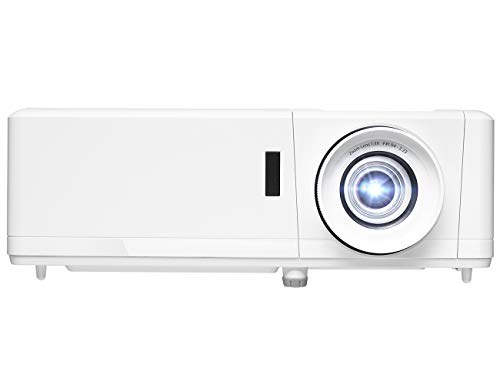
The ZH403 is the compact end of serious laser phosphor projection. It is a Full HD 1080p DLP projector rated at 4,000 lumens, built around Optoma’s DuraCore laser light source with a rated life of up to 30,000 hours. It accepts 4K HDR input signals for downscaled display, which keeps it compatible with modern sources, and it is Crestron compatible for rooms run from a central control system.
Its small chassis and maintenance-free design suit it to meeting rooms, classrooms and signage duties where the projector is fitted and then forgotten about. The sealed, low-maintenance approach and the ability to run long daily hours make it a natural replacement for the lamp projectors that used to dominate this class, with none of the lamp budget or filter rota those machines needed.
Choose the ZH403 if the room is small to mid-sized, the screen is moderate, and the priority is a compact laser projector that simply stays in service.
BenQ LU935
The LU935 is the heavy lifter in this group: a WUXGA (1920 x 1200) DLP installation projector rated at 6,000 lumens, built for large conference rooms, lecture halls, houses of worship and exhibition spaces where the screen is big and the lights stay partly on. BenQ’s laser engine uses a dual colour wheel system, and the company quotes 92 percent coverage of the Rec.709 colour gamut, which is strong colour performance for a high-brightness installation machine.
The installation hardware matches the brightness. A 1.6x zoom and vertical and horizontal lens shift give real placement freedom, the sealed engine carries an IP5X dust-resistance rating for long service in imperfect environments, and the laser source is rated for 20,000 hours. HDMI 2.0 connectivity keeps it current with modern sources.
Choose the LU935 if the venue is large, the ambient light is real, and the projector needs the lens flexibility and brightness headroom to fill a big screen without compromise.
ViewSonic LS740HD
The LS740HD is a Full HD 1080p laser phosphor projector rated at 5,000 ANSI lumens, positioned for auditoriums, conference rooms, classrooms and public venues. ViewSonic quotes a laser life of up to 30,000 hours, and the design emphasises mounting freedom: 360-degree projection, portrait mode, a 1.3x optical zoom, horizontal and vertical keystone and four-corner adjustment for awkward mounting positions and uneven surfaces.
That flexibility makes it a strong choice for digital signage, exhibitions and rooms where the projector cannot sit in the textbook position. Images up to 300 inches are supported for large-format display work, and the third-generation laser phosphor engine is sealed and filter-free, keeping the maintenance schedule minimal.
Choose the LS740HD if the installation angle is unusual, the screen is large, or the projector will double between presentation duty and signage.
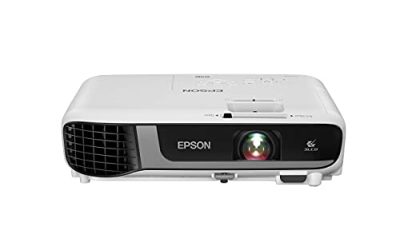
Epson PowerLite L530U
The L530U brings the 3LCD alternative. It is a WUXGA (1920 x 1200) projector rated at 5,200 lumens of equal colour and white brightness, so presentations full of saturated charts, photographs and video hold their colour in lit meeting rooms and classrooms. The laser light source is rated for 20,000 hours of use, effectively removing lamp changes from the projector’s working life.
Sharing and control are the L530U’s home ground. Built-in wireless connectivity supports screen sharing from laptops and mobile devices, which suits teaching spaces and collaborative meeting rooms, and the long-throw lens with generous zoom and lens shift covers larger rooms from a rear or ceiling position. For organisations standardising on one projector across many rooms, that mix of brightness, resolution and wireless convenience is easy to administer.
Choose the L530U if the room is used for data and collaboration as much as video, and you prefer 3LCD colour behaviour with WUXGA detail.
Laser Phosphor vs Lamp and LED: An Honest Comparison
Against lamp projectors, laser phosphor wins on almost every ownership measure: life measured in tens of thousands of hours, stable brightness, instant switching, sealed engines and freedom of mounting angle. The lamp machine’s remaining argument is initial cost at very high brightness levels, and even that narrows once a single lamp replacement cycle is priced in.
Against LED projectors, laser phosphor generally reaches higher brightness in installation-class machines, which is why it dominates above roughly 3,500 lumens. LED remains attractive in compact and portable designs. RGB laser, which uses separate red, green and blue lasers without a phosphor wheel, offers wider colour still, but at the time of writing it lives mostly in premium home cinema and flagship installation models rather than the mainstream professional range covered here.
Installation and Running Tips
Measure the throw before ordering. Projector throw calculators from each manufacturer will confirm that the lens covers your screen size from the intended mounting distance; check this before any other specification, because no brightness figure rescues a projector that cannot fill the screen.
Plan the signal run at the same time. For runs beyond a few metres, HDBaseT or a properly rated active cable avoids the intermittent dropouts that plague long passive HDMI runs. If the room has a control system, confirm the projector’s LAN and RS-232 control compatibility before installation day.
Budget brightness for the worst hour, not the best. A west-facing room at four in the afternoon is the real test. If the calculation is marginal, step up a brightness class rather than relying on eco modes and closed blinds that nobody will actually close.
Finally, register the duty cycle honestly. Laser phosphor engines are rated for long daily operation, but the room’s ventilation still matters: keep intake and exhaust paths clear, and in dusty environments favour the sealed-engine models listed here.
Frequently Asked Questions
How long does a laser phosphor light source actually last?
Manufacturers rate these engines at 20,000 to 30,000 hours to a defined brightness level, which at eight hours a day, five days a week, works out to roughly a decade of service. Brightness declines gradually over that span rather than failing suddenly, so replacement can be planned.
Is laser phosphor the same as RGB laser?
No. Laser phosphor uses blue lasers plus a phosphor wheel to create the remaining colours, which keeps cost and complexity down. RGB laser uses separate red, green and blue laser sources for a wider colour gamut, and appears mainly in premium models.
DLP or 3LCD for a meeting room?
Both work well. DLP models such as the Optoma, BenQ and ViewSonic here are compact with strong contrast. The 3LCD Epson produces equal colour and white brightness, which helps colourful presentation material in lit rooms. Choose by lens, brightness and connectivity first; the imaging technology is rarely the deciding factor in this class.
Can laser phosphor projectors run in portrait or at an angle?
Yes, this is one of the design’s strengths. Most models in this class support 360-degree and portrait installation, which is why they are common in signage and exhibition work. Confirm the specific model’s rated orientations in its manual before mounting.
Do these projectors need filters cleaned or lamps stocked?
No. The models here use sealed, filter-free optical engines and laser sources rated for tens of thousands of hours, so routine maintenance is limited to keeping vents clear and the lens clean.
Conclusion
The best laser phosphor projectors share a simple promise: mount them once and let them work for years. The Optoma ZH403 covers compact meeting rooms, the BenQ LU935 brings the brightness and lens range for large venues, the ViewSonic LS740HD adds any-angle flexibility for signage and awkward rooms, and the Epson PowerLite L530U pairs WUXGA 3LCD colour with wireless sharing for collaborative spaces. Match brightness to the room’s worst lighting, confirm the throw before ordering, and the laser engine will do the rest, hour after hour, without a lamp change in sight.
More from Amazon
Programs that pair well with the guide above. Offers and eligibility are set by Amazon and may change.
Free shipping on eligible items, Prime Video and more. Eligible new members can start with a free trial.
Start a Prime free trialAd-free music streaming. Eligible new subscribers can start with a free trial.
Try Music Unlimited freeA Prime membership for ages 18-24 with a trial period. Eligibility is set by Amazon.
See Prime for Young AdultsAudiobooks and podcasts to listen to on the go. Eligible new members can start with a free trial.
Try Audible freeAs an Amazon Associate we earn from qualifying purchases.